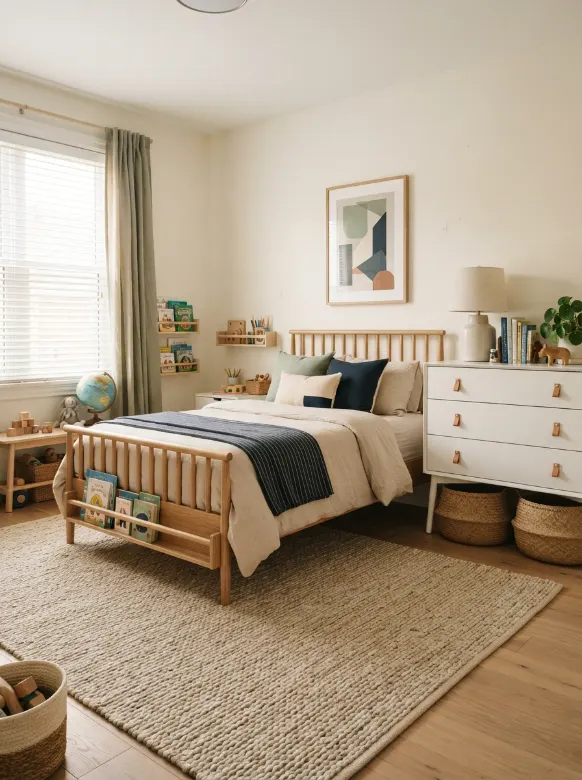
Luxurious Bedrooms: 12 Timeless Ideas That Feel Expensive
A beautiful bedroom does not need to be covered in gold, marble, or expensive furniture to feel luxurious. The most convincing luxurious bedrooms usually rely on proportion, material quality, layered lighting, rich textures, and a small number of confident design decisions. That is what makes a room feel collected rather than simply decorated.
From dramatic headboards and jewel-toned fabrics to architectural wall details and warm ambient lighting, the ideas below focus on the choices that create an expensive-looking bedroom without turning it into a showroom. The goal is a room that feels elegant, comfortable, and personal at the same time.
1. Give The Bed A Strong Architectural Presence

The bed is naturally the largest visual element in a bedroom, so it should have enough presence to anchor the entire space. A tall upholstered headboard, carved wood panel, substantial four-poster frame, or softly curved silhouette can instantly make the room feel more considered.
Choose one memorable shape instead of surrounding the bed with dozens of decorative pieces. A strong headboard can become the visual foundation for the bedding, artwork, lighting, and color palette that follow.
2. Layer Materials Instead Of Adding More Decor
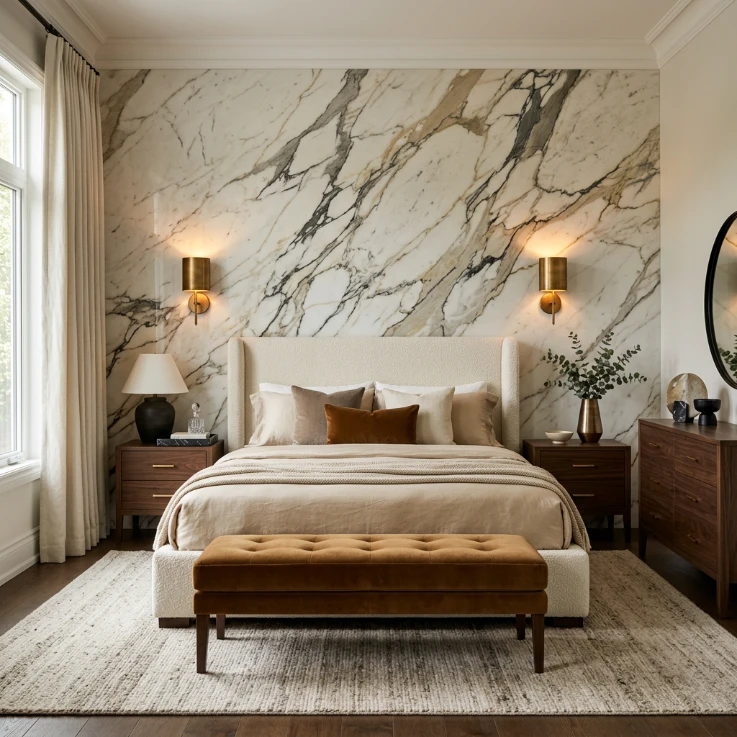
Luxury is often felt through texture before it is noticed through decoration. Combine smooth stone or marble with warm wood, brushed brass with velvet, crisp cotton with a plush throw, or polished surfaces with woven materials.
The key is contrast. If every surface has the same finish, even expensive materials can look flat. Two or three contrasting textures usually create more depth than a room filled with accessories.
3. Use A Deep Accent Color With A Calm Base
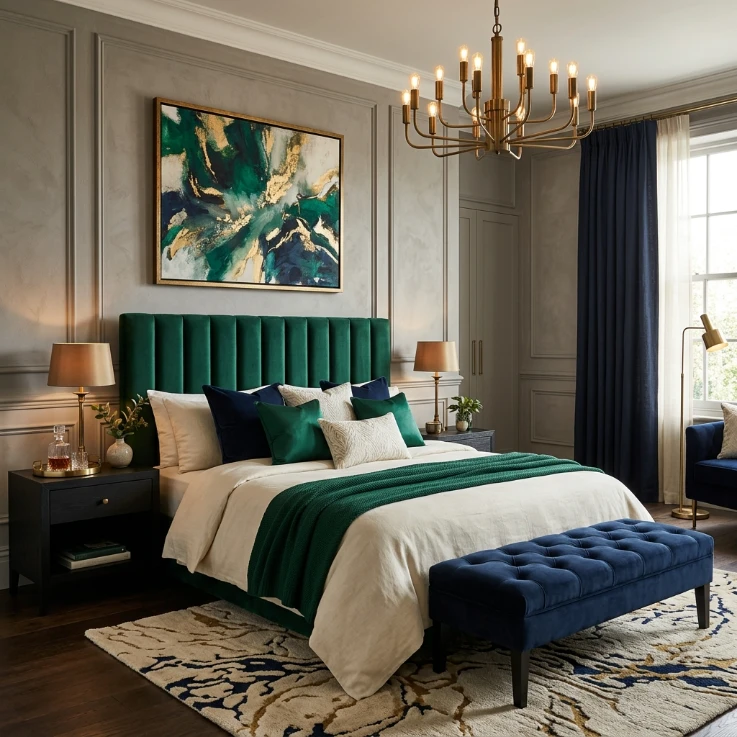
A sophisticated bedroom does not have to be monochrome. Start with a calm base such as warm ivory, soft taupe, stone, or muted gray, then introduce one deeper color. Emerald, navy, olive, burgundy, teal, or chocolate brown can give the room visual depth.
Repeat the accent color in two or three places rather than spreading it everywhere. A green headboard can connect with artwork and a cushion; navy bedding can echo a rug border or curtain trim. Repetition makes the palette feel intentional.
4. Let Lighting Create The Luxury

Lighting can change an ordinary bedroom more dramatically than another piece of furniture. Use several levels: general ceiling light, bedside lighting, accent lighting, and subtle architectural illumination where appropriate.
Warm light is particularly effective in the evening because it brings out wood, velvet, brass, and textured fabrics. Wall sconces, concealed LED strips, picture lights, and sculptural pendants can make the room feel intentionally designed instead of brightly illuminated from one central fixture.
5. Add Wall Molding Or Paneling For Architectural Depth

Picture-frame molding, fluted panels, wood slats, upholstered wall panels, or a carefully framed wallpaper section can give plain walls the architectural character associated with high-end interiors.
You do not need to cover every wall. One feature wall behind the bed is often enough to establish the room’s identity. Keep the surrounding walls quieter so the architectural detail has room to work.
6. Choose Bedding With Real Texture

Luxury bedrooms need bedding that looks inviting rather than perfectly flat. Start with a quality-looking base layer, add a duvet or quilt with subtle texture, then finish with a folded throw and a restrained arrangement of pillows.
Mix linen-look fabric, velvet, cotton, boucle, or a soft woven textile while keeping the colors connected. The result should look comfortable enough to use, not staged only for photography.
7. Use A Statement Rug To Ground The Room

A rug can quietly connect the entire bedroom. Instead of automatically choosing a plain neutral, consider a Persian-inspired pattern, subtle animal print, geometric design, or faded vintage palette that introduces movement beneath the bed.
Choose a rug large enough to visually connect the bed and nightstands. A generous scale usually feels more sophisticated than a small rug floating underneath the center of the bed.
8. Mix Warm Metal Finishes With Natural Materials

Warm metals such as aged brass, bronze, and champagne finishes can add polish without making the bedroom feel flashy. They work especially well beside natural wood, stone, dark paint, and soft textiles.
Repeat the metal finish in small doses: a pair of sconces, drawer hardware, a mirror frame, or a lamp. A few connected details are more convincing than filling the room with shiny objects.
9. Add One Oversized Artwork Or Decorative Feature

Scale is one of the easiest ways to make a bedroom feel expensive. A large painting, oversized mirror, dramatic wallpaper panel, carved headboard, or sculptural light can give the room a confident focal point.
One substantial feature usually has more impact than a collection of small pieces scattered around the walls. Choose something that supports the bedroom’s color story instead of introducing a completely unrelated palette.
10. Use Curtains To Add Height And Softness
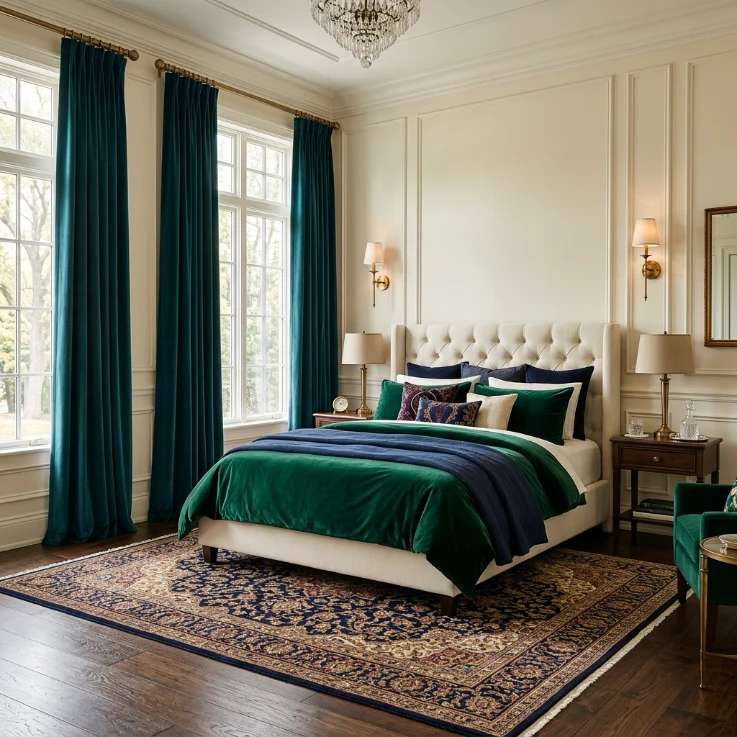
Full-length curtains can make a bedroom feel taller, softer, and more finished. Hang them high and allow the fabric to fall generously toward the floor. Velvet, linen, cotton, and substantial woven fabrics each create a different mood.
For a richer look, coordinate the curtains with one existing accent color rather than matching the bedding exactly. This creates a layered palette instead of a perfectly coordinated set.
11. Bring In A Vintage Or Handcrafted Element

A bedroom can feel surprisingly generic when every item looks newly purchased from the same collection. Add one element with history or visible craftsmanship, such as an antique writing desk, carved mirror, lacquered chest, vintage rug, handmade ceramic lamp, or traditional artwork.
This kind of contrast gives the room personality. It also keeps the design from becoming too predictable or overly dependent on current trends.
12. Keep The Luxury Balanced With Empty Space

One of the most important lessons from high-end bedroom design is knowing when to stop. Leave some surfaces quiet, allow the main furniture to breathe, and resist filling every corner simply because there is space available.
A luxurious bedroom should feel composed rather than crowded. When the bed, lighting, materials, color, and one or two statement features have been chosen carefully, the room does not need many more things to make an impression.
How To Make A Bedroom Feel Luxurious On A Realistic Budget

You do not need to renovate the entire room to create a more elevated look. Start with the visual element that matters most from the doorway. That might be the bed, an empty wall behind it, an outdated light fixture, or a rug that feels too small.
Then make one strong improvement at a time. Upgrade the bedding, add wall molding, install warmer lighting, introduce a large rug, replace basic hardware with a warmer metal, or add one substantial artwork. This approach creates a coherent room without buying a matching luxury set.
Final Thoughts On Luxurious Bedrooms
The most memorable luxurious bedrooms are not necessarily the ones with the most expensive-looking objects. They are rooms where proportion, texture, color, lighting, and material choices work together.
Choose one strong focal point, build a controlled color palette around it, layer contrasting materials, and use warm lighting to finish the atmosphere. Whether your style leans classic, modern, dramatic, or quietly elegant, those principles can make a bedroom feel more refined without forcing it into a trend.
If you are also planning a moodier interior, see our guide to Moody Living Room Ideas for more ways to work with deeper colors and layered lighting.