15 Brilliant Big Kids Bedroom Ideas That Feel Cool and Grown-Up
A big kid bedroom is a bedroom for a school-age child, roughly 6 to 12 years old, who has outgrown nursery and little-kid decor but is not yet a teenager. Growing kids eventually reach the stage where cartoon characters, nursery themes, and overly childish decor no longer feel right. They still want a room that feels fun and personal, but they also want something that looks more like their space.
That is where thoughtful big kids bedroom ideas can make a real difference.
The goal is not to create a miniature adult bedroom. Instead, build a room with a flexible foundation, interesting colors, comfortable textures, smart storage, and personality-filled details that can change as your child grows.
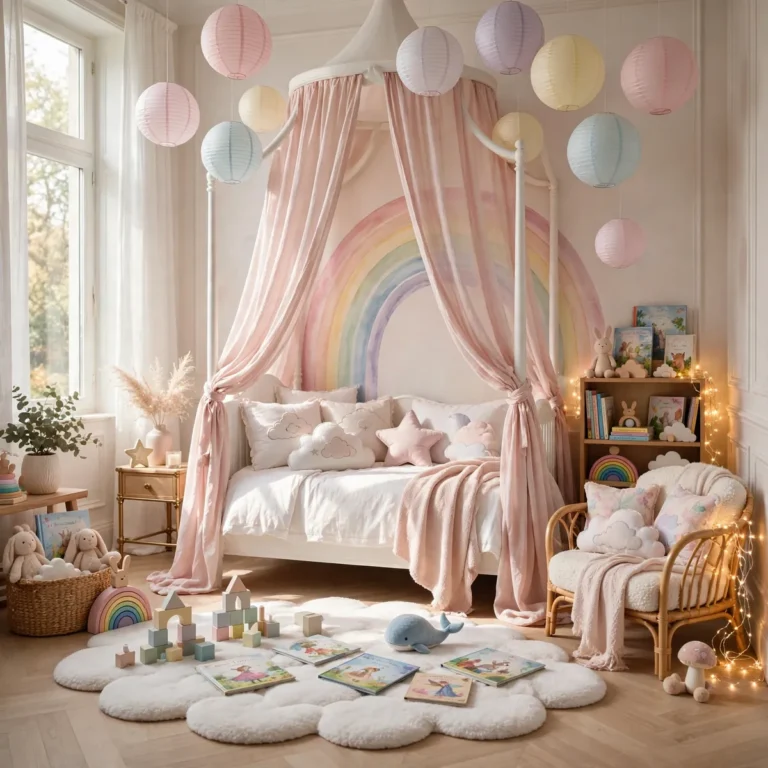
It is the step after the storybook rooms in our whimsical kids room ideas, swapping fantasy themes for colors, furniture, and storage that still feel fun at 10 and still work at 13.
A modern big-kid bedroom can include a stylish study area, a cozy reading corner, statement lighting, sporty details, natural textures, or a loft-style layout. The important thing is to let the room feel age-appropriate without locking it into one temporary theme.
Here are 15 creative ways to make the transition from little-kid decor to a cooler, more mature bedroom.
1. Start With A Modern Foundation That Can Grow
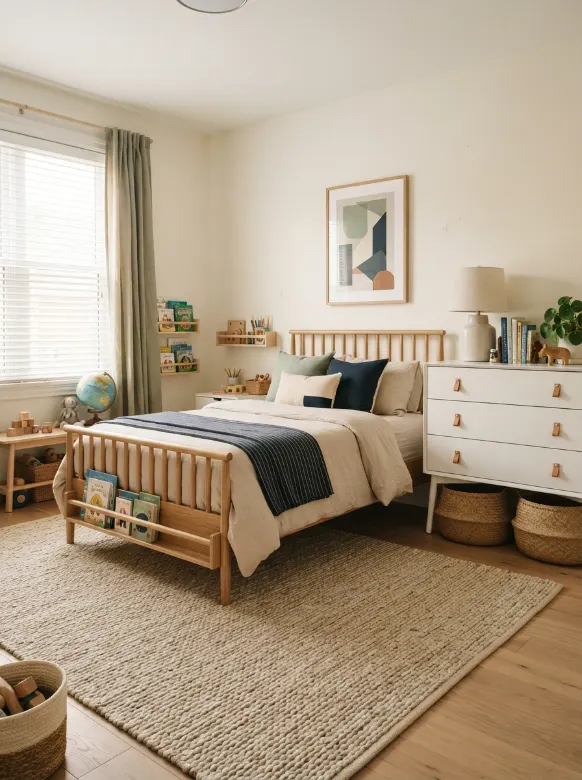
One of the smartest big kids bedroom ideas is to begin with furniture and colors that can survive several stages of childhood.
Choose a simple bed in natural wood, white, black, or another timeless finish. Pair it with a practical dresser, a useful bedside table, and storage that does not look overly childish.
For the walls, warm white, soft beige, muted gray, sage green, dusty blue, or gentle clay can create a flexible backdrop.
Then let your child add personality through bedding, artwork, cushions, rugs, and accessories.
This approach means the room does not need a complete makeover every time their favorite color changes.
For example, pair a light-oak twin bed with a white three-drawer dresser and a plain woven laundry basket. The bed and dresser can stay for years, while a striped duvet cover and two framed prints change with each new interest.
2. Use Color Instead Of A Character Theme

A room does not need a cartoon, movie, or fantasy character to feel exciting.
Instead, create personality with a confident color palette.
Try combinations such as:
- Navy, cream, and warm wood
- Sage green, beige, and terracotta
- Dusty blue, white, and charcoal
- Lavender, cream, and natural oak
- Rust, soft gray, and ivory
For big kids bedroom ideas that feel more mature, use one dominant color and two supporting shades.
For example, a deep navy wall can become the focal point while the bed remains neutral and the accessories introduce small touches of rust or mustard.
The result feels energetic without becoming visually overwhelming.
For example, paint navy on the wall behind the bed, keep the bedding warm white, and add rust cushions with a mustard throw. With one dominant color and two supporting shades, the room feels bold and grown-up without anything cartoon-based.
That one dominant color plus two supporting shades is the heart of good big kid bedroom color schemes, so keep the boldest shade on one wall and let the softer shades do the rest.
3. Give The Bed A Strong Focal Point
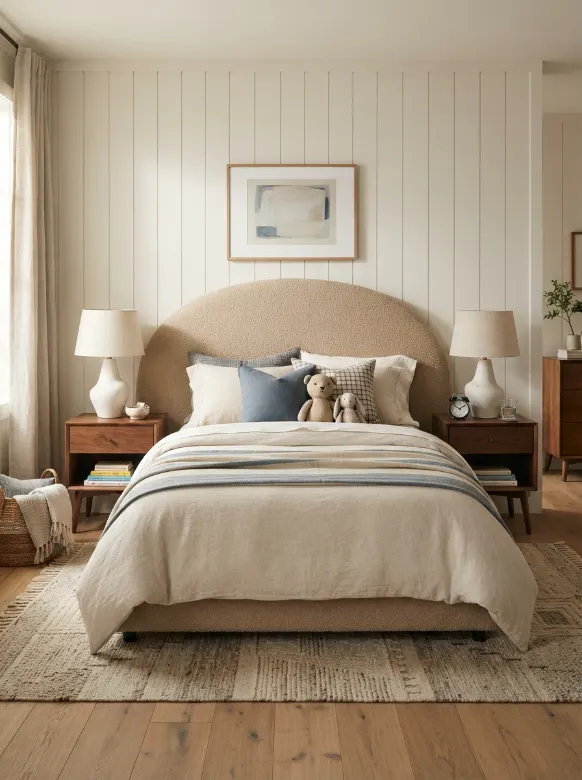
The bed is usually the largest piece of furniture in the room, so it deserves to be part of the design rather than simply being pushed against a wall.
A simple upholstered headboard, wood-paneled wall, curved headboard, canopy frame, or painted accent wall can make the sleeping area feel special.
Keep the bedding comfortable but layered.
Start with a simple duvet, add two or three pillows in different textures, and finish with a folded blanket at the foot of the bed.
This is one of the easiest big kids bedroom ideas to update because the bedding can change without replacing the main furniture.
For example, choose a tall oatmeal upholstered headboard with two linen pillowcases and one textured throw, then fold a cotton blanket across the foot of the bed. The whole look refreshes by swapping the throw and pillowcases alone, with no new furniture needed.
4. Create A Sporty Bedroom Without Making It Look Like A Locker Room
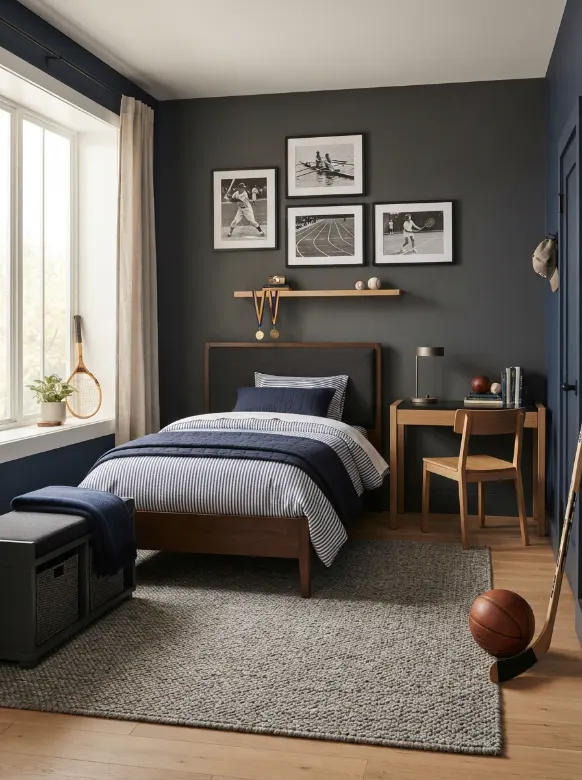
Sports can be a major part of a big kid’s personality, but you do not need team logos covering every wall.
Instead, create a more refined, luxurious bedroom look.
Use navy, charcoal, white, or forest green as the foundation. Add framed vintage sports photography, a simple display shelf for medals, a few favorite jerseys, or a small piece of equipment as decoration.
A wooden bench at the foot of the bed can provide both seating and storage.
The trick is restraint. Choose a few meaningful sports details instead of turning the entire room into a merchandise display.
This creates big kids bedroom ideas that feel personal while still looking polished.
For example, hang one framed match photo above the dresser and keep a single shelf for two medals and a signed ball. A wooden bench with a storage compartment at the foot of the bed adds seating without turning the room into a locker room.
5. Turn A Loft Bed Into A Complete Mini Space
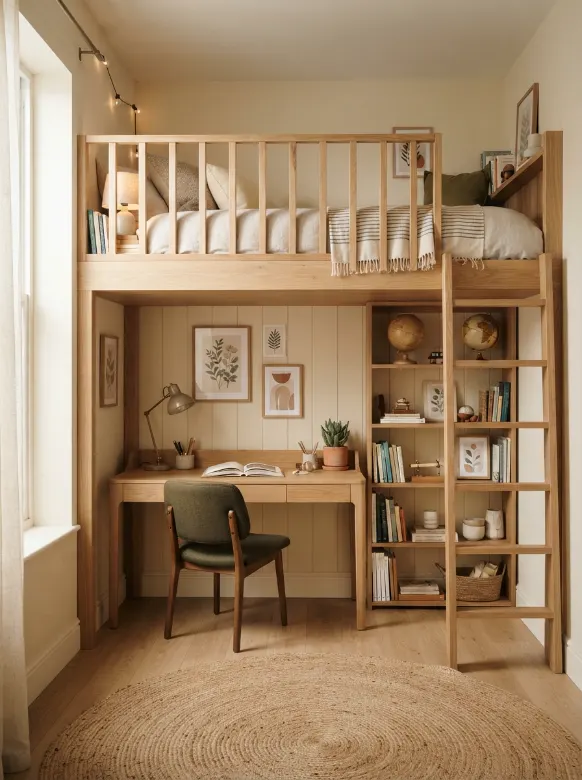
A loft bed can be especially useful when floor space is limited.
Instead of treating the area beneath the bed as wasted space, turn it into a dedicated zone.
Depending on the room, the lower area could become:
- A study desk
- A reading nook
- A beanbag lounge
- A creative workspace
- A small storage zone
Use light wood, soft neutrals, and simple shelving to keep the arrangement visually clean.
Add a comfortable chair, task lighting, and a small rug underneath the loft.
The result is more than a bed. It becomes a little private zone that gives the child a greater sense of ownership.
For example, place a compact desk with a task lamp under the loft, roll out a small rug, and tuck a beanbag beside it. The space works as a homework zone by day and a reading corner by night, without adding floor furniture.
Keep the loft safe with a guard rail, a sturdy ladder or stair drawers, and a task light under the bed so the lower zone stays usable, not dark.
6. Bring In A Little Boho Personality

Boho styling works particularly well for children who want a room that feels relaxed and expressive.
Start with warm neutrals such as cream, beige, tan, and soft terracotta. Then layer in woven baskets, rattan furniture, textured blankets, cotton bedding, and a soft patterned rug.
A woven wall hanging or handmade-looking artwork can provide another layer of character.
Plants can also bring softness into the space, although real plants should be chosen and positioned with the child’s age and safety in mind.
The best boho big kids bedroom ideas feel collected rather than crowded.
For example, hang a rattan pendant light, lay down a jute rug, and set out two woven baskets, one for soft toys and one for books. A macramé wall hanging above the bed ties the relaxed look together.
7. Create A Stylish Study Station
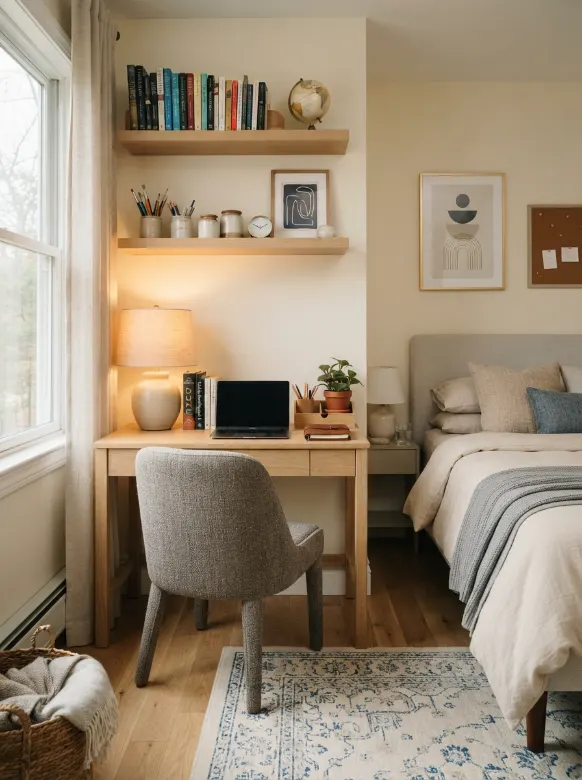
As children get older, their bedroom needs to support more than sleeping and playing.
A dedicated study area can make the room more functional without making it feel like a classroom.
Choose a compact desk with enough room for books, notebooks, and a laptop or computer if needed.
Add a comfortable chair, a desk lamp, a small pinboard, and one or two shelves.
Keep the desk accessories coordinated with the bedroom palette. Natural wood, white, black, or muted colors tend to blend easily with different decorating styles.
If the room is small, a floating desk can provide a useful workspace without taking up too much floor area.
For example, set a 100 cm white desk against the wall with an adjustable chair and a clip-on desk lamp. Add a cork pinboard for timetables and one shelf holding four school books and a pencil pot.
Place the laptop near a charging spot at one end of the desk, and keep a small pinboard for timetables where it is easy to glance at while working.
8. Use Open Shelving To Display Their Personality

Open shelves can make a bedroom feel more personal because they allow children to display the things they actually care about.
Books, small collections, artwork, sports medals, framed photographs, models, crafts, and favorite objects can all become part of the room’s decoration.
The key is not to fill every shelf.
Leave some empty space between objects so the display looks intentional. Group similar items together and use baskets for smaller pieces that would otherwise create visual clutter.
This makes shelving one of the most practical big kids bedroom ideas for combining storage and personality.
For example, fit three floating shelves on one wall: framed photos on the top shelf, books grouped by color in the middle, and one basket for small collections on the bottom. Leave one empty stretch on each shelf so the display stays calm.
Add labeled bins on one shelf and keep under-bed drawers for overflow, so open shelves stay a display, not a dumping ground.
9. Add A Cozy Reading Corner

A reading corner gives the bedroom another purpose besides sleeping.
You do not need a large chair or complicated built-in seating.
A comfortable floor cushion, compact lounge chair, small bookcase, and warm lamp can be enough.
Place the reading area near a window when possible so it benefits from natural daylight.
For a more polished appearance, define the area with a small round or rectangular rug.
Keep favorite books within easy reach and add one soft throw to make the corner feel inviting.
The result is a quiet little retreat that can also work as a place for drawing, listening to music, or relaxing.
For example, place a floor cushion and a small armchair by the window, with a low bookcase holding the current series within arm’s reach. Clip a warm lamp to the bookcase and fold one throw over the chair arm.
10. Make Lighting Part Of The Bedroom Design

Lighting can completely change the personality of a child’s bedroom.
Instead of depending on one ceiling light, combine several sources.
Use a main ceiling fixture for general illumination, a desk lamp for studying, and a bedside lamp for evening reading.
LED lighting can also be used carefully to create a more contemporary atmosphere. Hidden lighting behind shelves, beneath a desk, or around a headboard can add a subtle glow without making the room look like a gaming setup.
Warm lighting is particularly effective when combined with wood, textured fabrics, and neutral walls.
For example, hang a rattan ceiling pendant for general light, place a warm bedside lamp for evening reading, and add a desk lamp for homework. Hide one LED strip behind the headboard for a soft night glow.
Good kids bedroom lighting ideas layer four sources: ceiling light for the whole room, a desk lamp for homework, a bedside lamp for reading, and a hidden LED strip for a soft night glow.
11. Try A Scandinavian-Inspired Bedroom

Scandinavian design is a natural fit for kids who want a bedroom that feels calm but not boring.
Start with pale walls, light wood furniture, simple bedding, and soft gray or oatmeal textiles.
Then introduce personality through one or two playful elements.
A colorful cushion, geometric rug, framed artwork, or unusual lamp can provide enough visual interest without overwhelming the room.
Keep the furniture simple and allow plenty of open floor space.
These big kids bedroom ideas work especially well because the basic design can remain useful for years while accessories change with age.
For example, paint the walls pale gray, choose a light-pine bed frame with oatmeal bedding, and add one mustard cushion. Lay down a black-and-white geometric rug and hang a single framed print for one playful accent.
12. Create A Dark And Dramatic Accent Wall
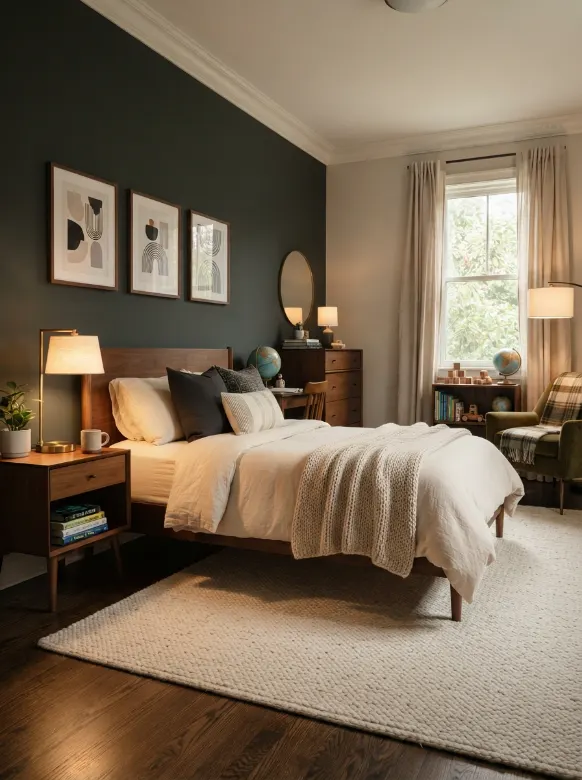
A darker wall can make a big-kid bedroom feel surprisingly sophisticated.
Charcoal, deep navy, forest green, muted plum, or chocolate brown can create a dramatic background behind the bed or desk.
Balance the darker color with lighter bedding, pale wood, cream textiles, or warm lighting.
You do not necessarily need to paint the entire room dark. One feature wall can provide enough contrast.
For an even more interesting composition, add framed artwork, simple shelves, or warm wall lighting against the dark surface.
For example, paint one forest-green wall behind the bed, dress it with cream bedding, and add a pale-wood nightstand. Hang a brass wall light and two framed prints so the dark wall reads as a backdrop, not a cave.
If paint feels too permanent, try kids bedroom accent wall ideas like removable wallpaper, wood slats, or one large framed print for the same focal effect.
13. Give Collections A Proper Home

Big kids often collect things.
It might be books, model cars, rocks, art supplies, sports cards, figures, souvenirs, or handmade creations.
Instead of fighting the collection, give it a designated display area.
A narrow shelf, glass-front cabinet, pegboard, picture ledge, or series of small display boxes can keep collections organized while making them part of the bedroom design.
This is especially useful because it gives your child a sense that their interests are respected.
It also makes the room feel more individual than a perfectly coordinated furniture set.
For example, run a narrow picture ledge for model cars, keep sports cards in a glass-front box, and set labeled small bins on one shelf for rocks and art supplies. Everything stays visible, and nothing ends up scattered across the floor.
Add labeled bins on one shelf for overflow, and keep under-bed drawers for the rest, so the display stays tidy instead of piling up every surface.
14. Add A Flexible Hangout Zone

A big kid bedroom can benefit from a small area that feels separate from the bed.
Depending on available space, add a beanbag chair, compact loveseat, floor cushions, or one comfortable lounge chair.
Place a small side table nearby for books, headphones, drinks, or other everyday items.
A soft rug can visually define the zone.
This kind of layout is useful for reading, drawing, listening to music, relaxing, or spending time with a friend.
It also makes the bedroom feel more like a personal living space rather than simply a place to sleep.
For example, set a beanbag and a floor cushion on a round rug, with a small side table holding headphones and a water bottle. Add a floor lamp beside the table, and the corner is ready for a friend without anyone sitting on the bed.
15. Design The Room So It Can Change
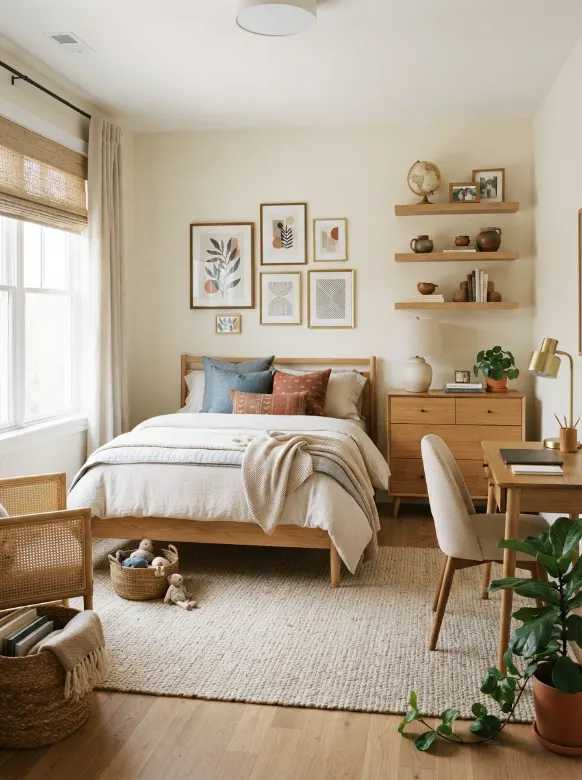
The most useful big kids bedroom ideas are the ones that do not require a complete redesign every few years.
Keep permanent elements relatively timeless.
That means choosing durable furniture, flexible wall colors, practical lighting, and storage that can handle changing needs.
Then let the personality come from easier-to-change items such as:
- Bedding
- Curtains
- Rugs
- Cushions
- Posters
- Artwork
- Desk accessories
- Small decorative objects
This makes it much easier to move from one phase to another.
A child can change from loving sports to music, from bright colors to neutrals, or from playful patterns to a more minimalist look without requiring an entirely new bedroom.
For example, keep the same oak bed and white dresser through three stages: dinosaur bedding at 7, navy-and-rust bedding at 10, and plain charcoal bedding at 13. Only the bedding, cushions, and posters change each time, so the room grows up without a full redesign.
These are the kids bedroom ideas that grow with your child: the furniture stays, the bedding and art do the changing, and the room never needs to start over.
What Should Change at Each Age? A Big Kid Bedroom Guide
A 7-year-old and an 11-year-old do not need the same room, so use this guide to change only what each stage actually needs.
| Stage | Bed & furniture | Study setup | Storage focus | Style cue |
| Ages 6-8: early big kid | Twin bed with safety rail if needed; low, reachable furniture | Small desk or table corner for drawing and early homework | Open bins and low shelves the child can tidy alone | Playful color on bedding and art only; furniture stays neutral. |
| Ages 9-11: confident big kid | Full twin bed; desk becomes permanent; first display shelving | Proper desk, task lamp, pinboard, and shelf for school books | Under-bed drawers plus labeled boxes for growing collections | One chosen palette (e.g. navy, sage, or dusty blue) with personal posters. |
| Ages 12+: tween-to-teen | Same bed, upgraded bedding; lounge seating added | Larger desk, laptop space, charging spot, closed storage for devices | Closed storage and wardrobe zones; collections curated, not expanded | Mature textures (linen, wood, boucle) and fewer, larger art pieces. |
How To Make Big Kids Bedroom Ideas Feel More Grown-Up
The transition does not have to mean removing everything playful.
Instead, focus on proportion and editing.
Replace oversized character graphics with interesting artwork. Swap plastic storage for wood, fabric, or woven baskets. Use a coordinated color palette instead of several unrelated bright colors.
Texture also makes a difference.
Linen-look bedding, woven rugs, natural wood, boucle seating, cotton curtains, and ceramic accessories can make the room feel richer without making it too mature.
The room should still clearly belong to a child. It simply needs to reflect where they are now rather than where they were several years ago.
Do not strip out every playful piece when a room grows up. Keep one favorite poster or one colorful cushion in place, so the room still clearly belongs to a child even as everything else becomes more refined.
Small Rooms Can Still Feel Stylish
Not every child has a large bedroom.
For smaller rooms, prioritize furniture that performs more than one job.
A loft bed can create space underneath. A bed with drawers can replace a separate storage unit. Floating shelves can provide display space without using floor area.
Keep the floor as open as possible.
Use vertical storage rather than adding more furniture, and choose a lighter wall color if you want the room to feel more spacious.
Mirrors can also help reflect daylight and visually expand the room when positioned thoughtfully.
In a small room, think upward: a tall, narrow dresser, floating shelves that run toward the ceiling, and a mirror placed opposite the window will make the room feel taller, brighter, and far less crowded.
Big Kid Bedroom Ideas for Shared Sibling Rooms
Start with fairness: give each child a matching bed, then let each one choose different bedding, so both sides feel equal and personal at the same time.
A simple divider can give each child a zone without building walls: a rug that marks each side, a curtain hung from the ceiling, or a low bookshelf placed between the beds.
Give each child their own storage, one drawer unit or one labeled bin set each, so tidying never turns into an argument about whose things are whose.
For example, place two twin beds with a shared nightstand between them, and let each child pick their own cushion color and one framed print to hang above their own bed.
Gamer, Music and Hobby Zones That Still Look Grown-Up
Keep the gaming corner restrained: one desk, cable clips or a cable box to hide the wires, a warm LED strip behind the monitor instead of rainbow neon, and one shelf for games.
Give music its own corner too: wall hooks for one instrument, framed vinyl or concert posters on the wall, and a small speaker shelf that keeps the gear off the floor.
The rule that keeps it mature is simple: one hobby wall, neutral furniture, and everything else calm, so the room reads as a bedroom with hobbies, not a hobby shop.
For example, set up a desk with a monitor arm, a headset hook on the wall, and a closed drawer for controllers, so the zone reads as a workspace, not an arcade.
Big Kids Bedroom Ideas: Frequently Asked Questions
What age is a big kid bedroom for?
A big kid bedroom is generally for children roughly 6 to 12 years old. It sits between little-kid decor and a teen room, so it should feel more grown-up without losing its playfulness. Plan the furniture to last the whole stretch, and let bedding, art, and accessories change as interests change.
How do I make a big kid bedroom look cool without being childish?
Start with timeless furniture and one confident color palette, then layer the lighting so the room feels considered rather than decorated. Add personality through framed art, collections, and textiles instead of cartoon or character themes. The result reads as cool and grown-up while still clearly belonging to a child.
What colors work best for a big kid bedroom?
Start with warm neutrals as the base, such as cream, beige, and soft gray, then add one deeper shade like navy, sage green, dusty blue, or forest green. Keep the deeper shade on one wall or on larger pieces, and let brighter colors live on swappable items like cushions and bedding. That way cushions and bedding can change the mood without repainting the room.
How can I maximize storage in a big kid’s bedroom?
Think upward first: add tall shelving, under-bed drawers, and a storage bench so the floor stays clear. Use labeled bins for collections and small toys, and keep one closed unit for overflow. That way open shelves stay a display, not a dumping ground, and everything still has a place to go.
What furniture works best for a growing child?
Choose a twin bed in a timeless finish that will not date, and pair it with a dresser that can also work beside the bed. Pick an adjustable desk and chair so the study setup grows with the child, and choose storage that can be re-labeled as interests change. That combination lasts through several stages without needing to replace the main furniture.
How do I decorate a shared big kid bedroom for siblings?
Start with matching beds, then give each child different bedding so both sides feel equal and personal. Use one divider element, such as a rug or a low bookshelf, to mark each zone, and give each child separate labeled storage. That way each side feels owned, even though the room still reads as one calm bedroom.
Final Thoughts
The best big kids bedroom ideas balance personality with flexibility.
Your child should see their interests reflected in the room, but the entire bedroom does not need to become one giant theme. A modern color palette, comfortable bed, useful storage, dedicated study space, layered lighting, and a few meaningful decorative details can create a bedroom that feels exciting today and adaptable tomorrow.
Start with the pieces that need to last, then let your child’s personality come through the details that are easier to change.
That approach creates a bedroom that feels genuinely theirs without needing another complete makeover every time their favorite color or hobby changes.