What Makes a Retro Apartment Aesthetic Feel Personal Instead of Perfectly Matched?
A retro apartment aesthetic works best when a home feels collected rather than purchased in one afternoon. Warm wood, vintage colors, patterned wallpaper, curved furniture, old-school lighting, and personal objects can create a room with character without making it feel like a museum.
The real appeal is the freedom to mix. A teal chair can sit beside a walnut cabinet. A vintage poster can share a wall with modern art. A patterned rug can ground a simple sofa. The room does not need every piece to come from the same decade or follow one exact color formula.
This guide breaks down practical ways to bring that personality into an apartment while keeping the result comfortable, useful, and visually connected. If you are decorating a rental, a small apartment, or a home that simply feels too generic, these ideas give you a place to start.
How Can a Retro Apartment Aesthetic Feel Personal Instead of Themed?

The easiest way to keep retro decor from looking like a costume set is to start with pieces you genuinely like. Choose one or two recognizable vintage elements, then let the rest of the room reflect your current lifestyle.
For example, a walnut sideboard, an old travel poster, and a rounded floor lamp can establish the mood without requiring every chair, table, and accessory to look vintage. Modern storage, a simple sofa, or a contemporary rug can sit comfortably beside them.
I have noticed that rooms with a few meaningful older pieces often feel more believable than rooms filled with perfectly matched reproductions. The small signs of personal taste are what make the style work.
How Do You Choose a Retro Color Palette Without Making the Room Feel Busy?
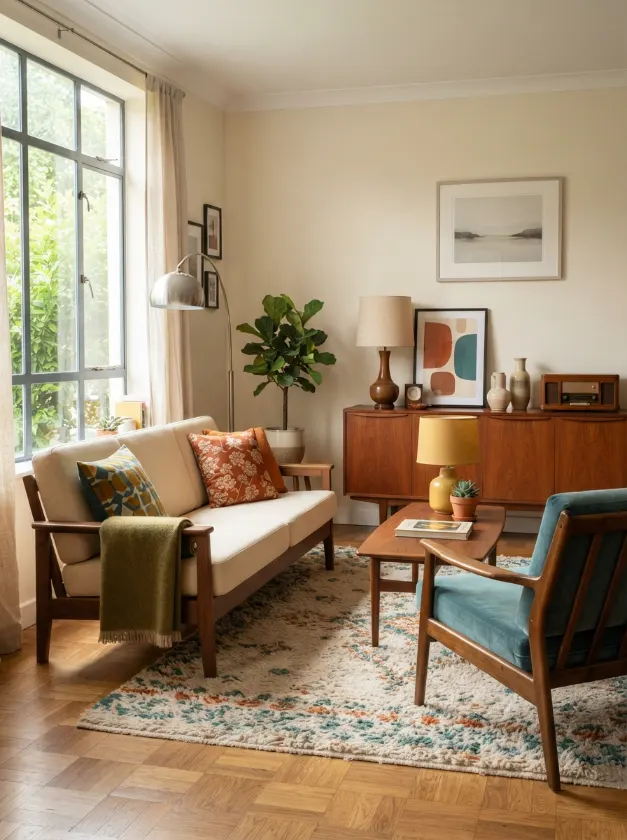
Retro interiors can handle color, but they still need a visual hierarchy. Pick one main color, one supporting color, and one or two quiet neutrals before adding smaller accents.
Warm shades such as rust, mustard, olive, burnt orange, cream, tobacco brown, and muted teal work especially well together. You can also use dusty pink, avocado green, terracotta, or deep blue if they suit the room.
Try using the strongest color on one large surface or major furniture piece. Repeat it in smaller details such as cushions, artwork, ceramics, or a lamp. Repetition helps several different objects feel related without forcing them to match.
Can Vintage Wallpaper Make a Small Apartment Look More Interesting?
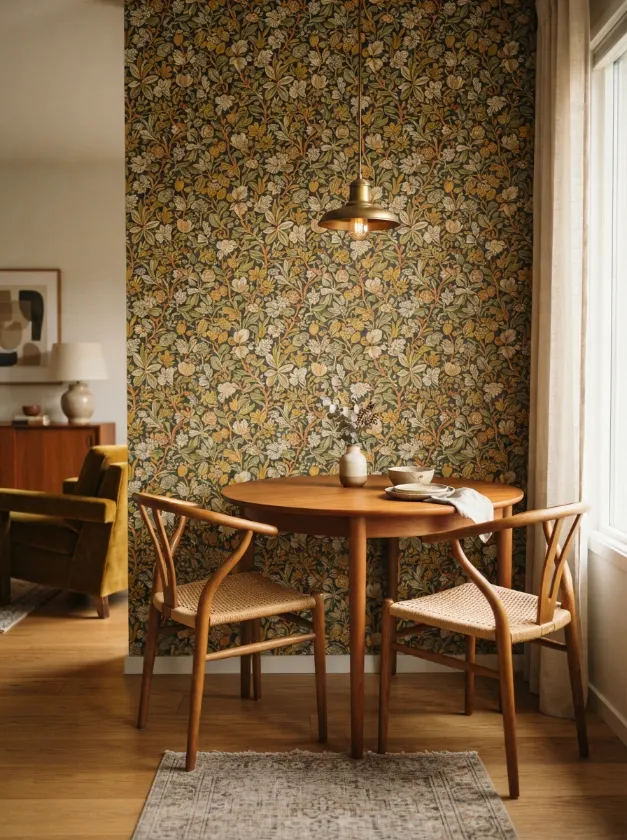
Yes, especially when the pattern is given enough space to be the main feature. A small dining nook, hallway, kitchen wall, or bedroom alcove can handle a stronger print without making the entire apartment feel overloaded.
Look for botanical prints, geometric shapes, small florals, abstract waves, or classic retro motifs. If the wallpaper is bold, keep nearby furniture relatively simple. A plain wood cabinet can balance a patterned wall better than another highly decorated piece.
For a rental, removable wallpaper can offer a temporary option, but check your lease and the product instructions first. Test a small section before committing to a full wall.
How Can Vintage Furniture Work With Modern Apartment Pieces?

You do not need a complete vintage furniture set. In fact, mixing periods often gives a room more depth.
Try pairing a contemporary sofa with a vintage coffee table. Place a modern dining table beside older wooden chairs. Use a simple bed with a retro dresser. The connection can come from color, material, shape, or scale rather than age.
Before buying a secondhand piece, measure the available space and check its condition. A beautiful cabinet that blocks a doorway is not a successful design choice. Function still matters.
What Makes Retro Wall Art Feel Collected Instead of Random?
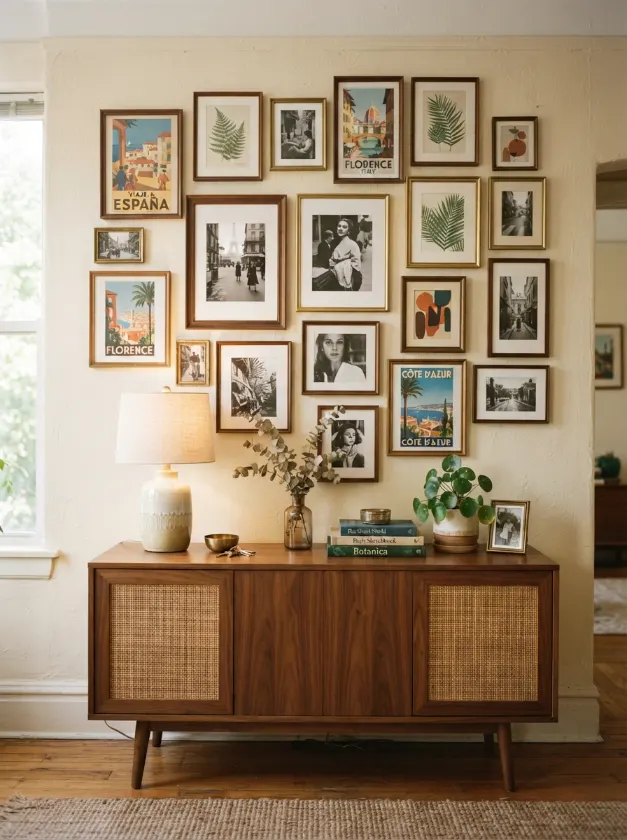
Wall art becomes easier to organize when you choose a loose theme. Travel posters, botanical prints, old advertisements, black-and-white photography, abstract graphics, and personal photographs can all work together.
Use repetition to create structure. Repeat a color from one print somewhere else in the room. Keep several frames in a similar finish, or repeat one shape such as circles or arches.
A gallery wall does not need every frame to match. It simply needs enough visual connections that the eye can understand the group as one composition.
How Do Warm Wood Tones Give a Retro Apartment More Character?
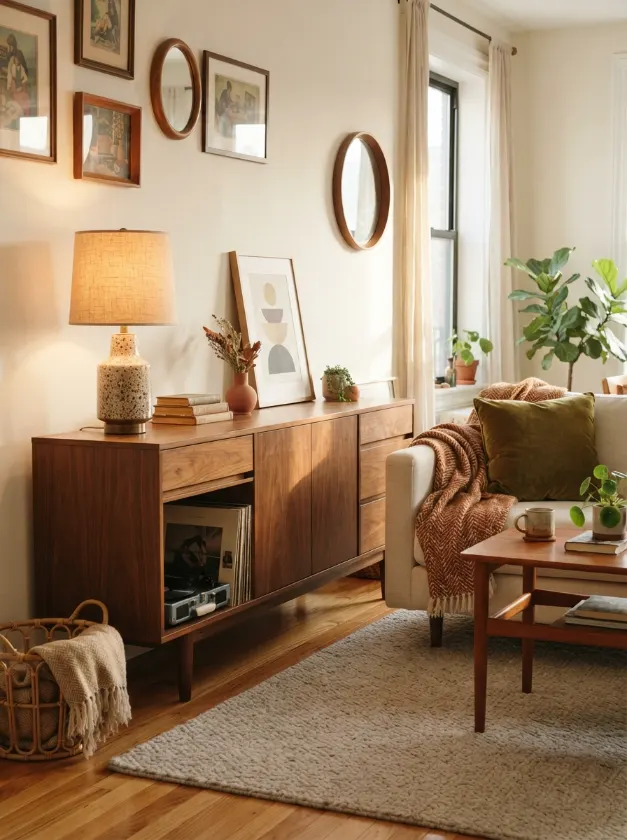
Natural wood is one of the easiest materials for making retro-inspired rooms feel grounded. Walnut, teak, oak, and warm medium-brown finishes can soften stronger colors and patterns.
If you already have wood flooring or cabinets, let that finish guide some of your furniture choices. You do not need identical wood throughout the apartment. A mix of related warm tones can feel more natural than a perfectly matched set.
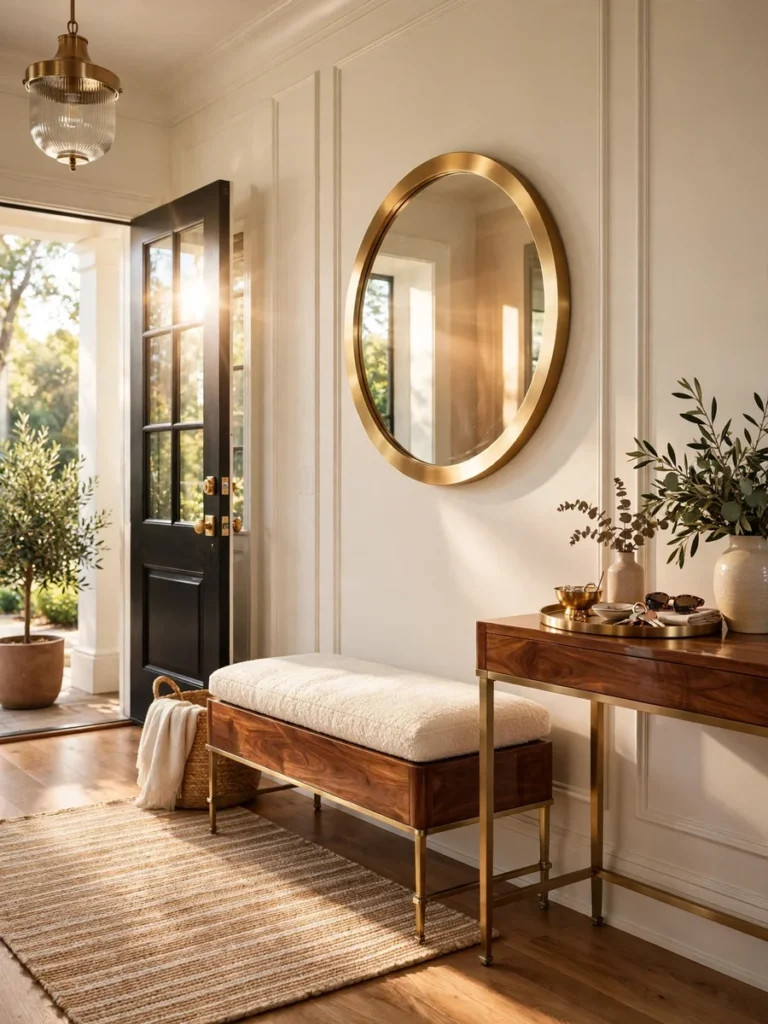
For a rental with plain white walls, even one wooden credenza or side table can change the visual temperature of the room. Add a ceramic lamp, books, or a plant on top and the piece becomes both useful storage and a focal point.
Can Retro Lighting Change the Mood of an Apartment?
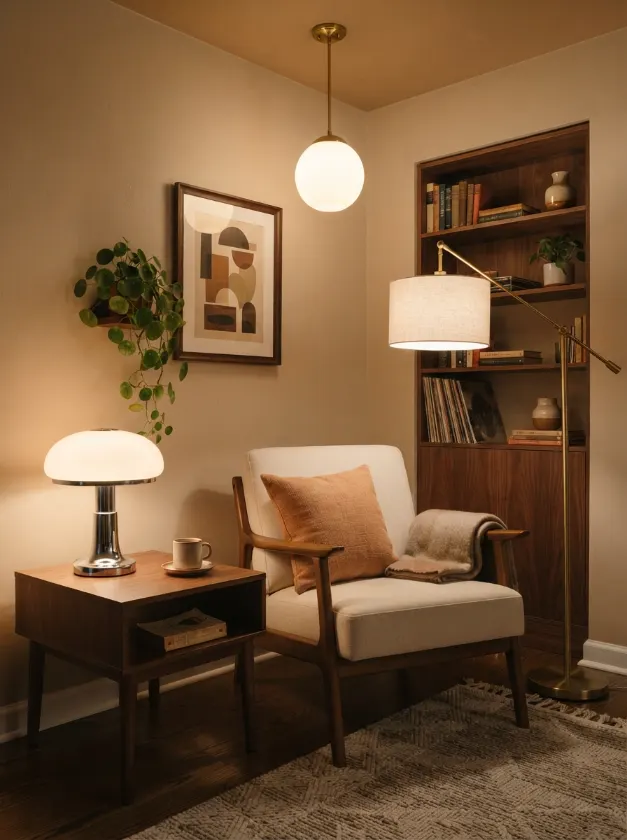
Lighting has a major effect on how vintage colors and materials appear. A single bright ceiling fixture can flatten an otherwise thoughtful room.
Instead, combine different light sources. Try a mushroom-shaped table lamp, globe pendant, brass floor lamp, or sculptural wall light. Warm bulbs usually work well with wood, cream, rust, mustard, and brown tones.
Place lamps at different heights so the room does not rely on one overhead source. A low lamp beside a chair can create a reading corner, while a pendant over the dining table gives the area its own identity.
How Can You Use Retro Patterns Without Creating Visual Clutter?
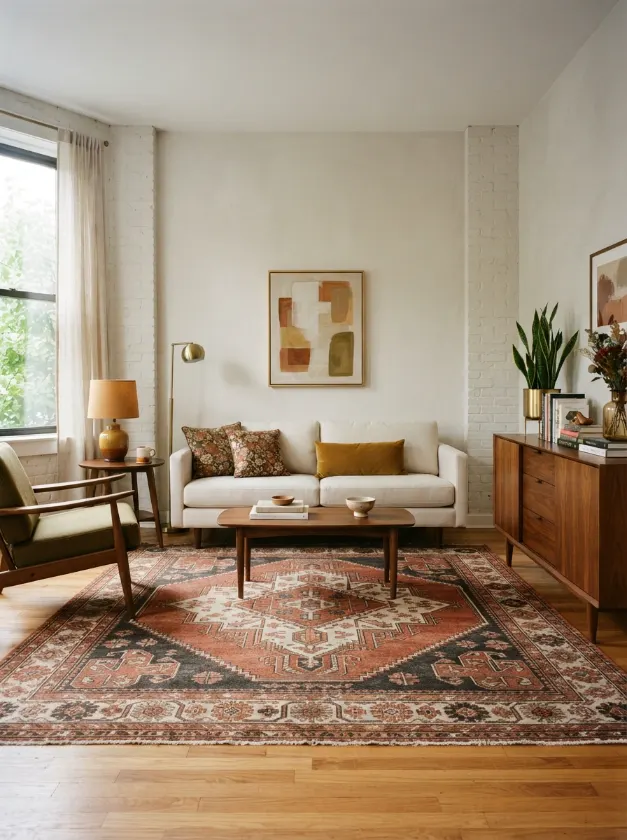
The key is to control the scale. If you have a large geometric rug, choose smaller patterns for cushions or artwork. If the wallpaper has a tiny repeating print, a larger floral or abstract shape can provide contrast elsewhere.
Keep the colors related even when the patterns are different. A floral cushion can work beside a geometric rug if both share rust, cream, and olive tones.
Give patterned objects some breathing room. Not every surface needs decoration. A clear section of wall, a simple countertop, or an uncluttered shelf can make the stronger elements feel intentional.
What Kind of Retro Kitchen Details Add Personality?
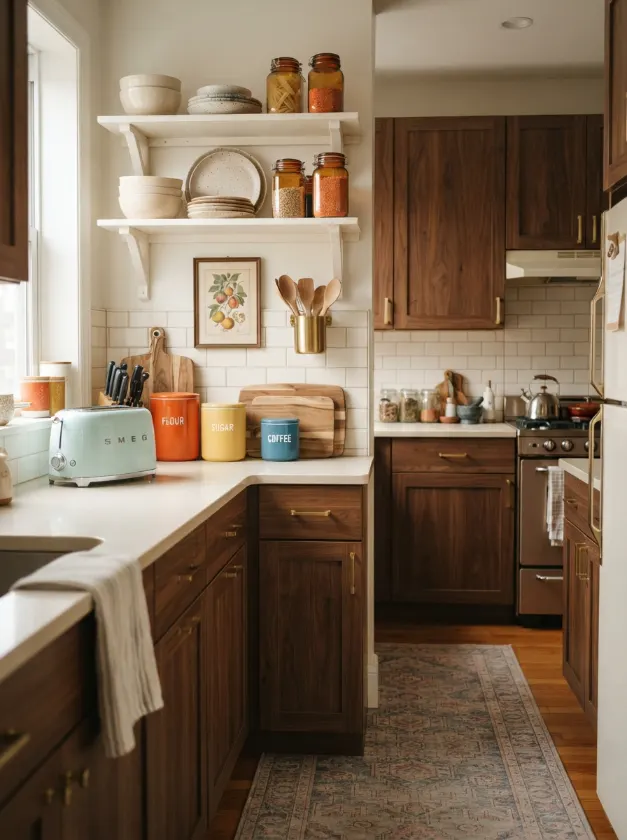
A kitchen can carry a retro mood through small details instead of a complete renovation. Start with countertop objects you actually use.
Try colorful ceramic canisters, a wooden cutting board, vintage-style glassware, a patterned runner, an old-fashioned clock, or a small appliance in a muted retro color. Open shelves can display everyday dishes when they are grouped by color or material.
If the kitchen already has wood cabinets, consider using the cabinet finish as the foundation and adding one stronger color through tile, textiles, artwork, or accessories. This prevents the room from becoming a collection of unrelated statements.
How Can You Make a Retro Bedroom Feel Cozy Without Looking Old-Fashioned?
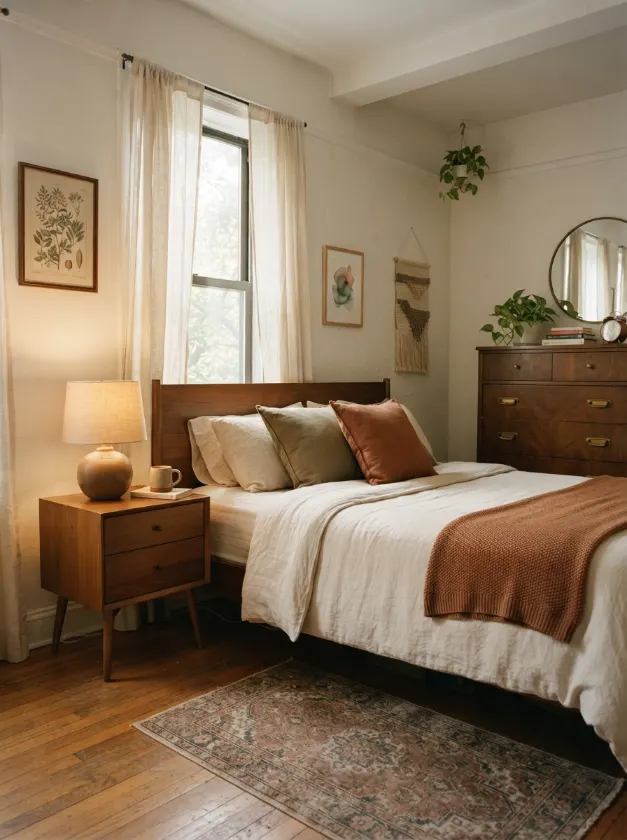
Start with texture. A retro bedroom does not need heavy patterns everywhere. Soft bedding, a woven rug, warm wood, linen curtains, and one distinctive bedside lamp can create the mood quietly.
A vintage dresser can become the focal point. Above it, use a mirror, framed artwork, or a small collection of objects that mean something to you. Keep the bed itself relatively simple if the room already has patterned curtains or wallpaper.
For a more current feel, combine one vintage-looking piece with clean modern bedding and simple hardware. That balance keeps the bedroom comfortable rather than overly themed.
Can Plants Work With a Retro Apartment Aesthetic?
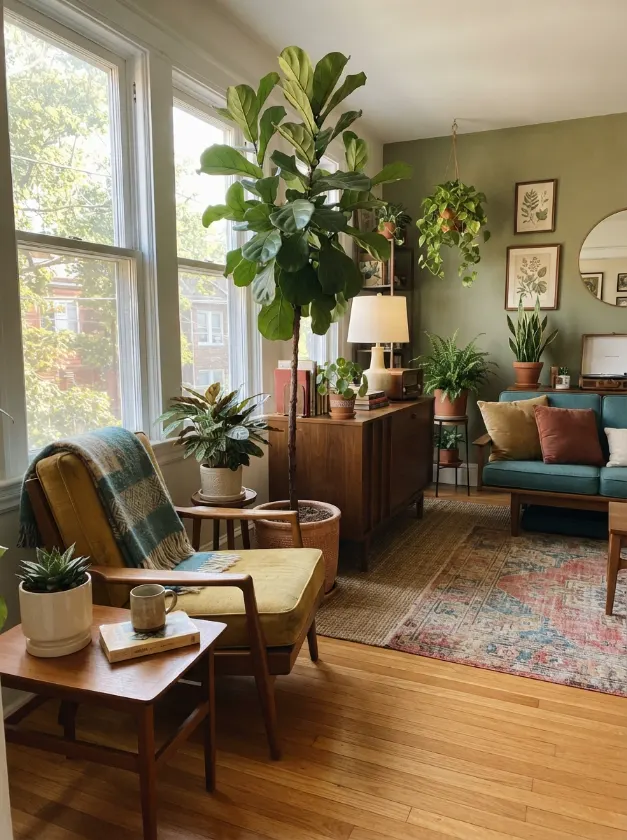
Plants fit naturally into this style because their organic shapes soften furniture with strong lines and add another layer of color.
Use one larger plant near a window or empty corner, then repeat smaller plants on shelves or side tables. Terracotta pots can reinforce warm earthy colors, while simple ceramic planters can create a cleaner look.
Choose plants according to the actual light and care conditions in your apartment. A healthy, appropriately placed plant will contribute more to the room than several struggling plants bought only for decoration.
How Do You Decorate a Retro Apartment on a Budget?
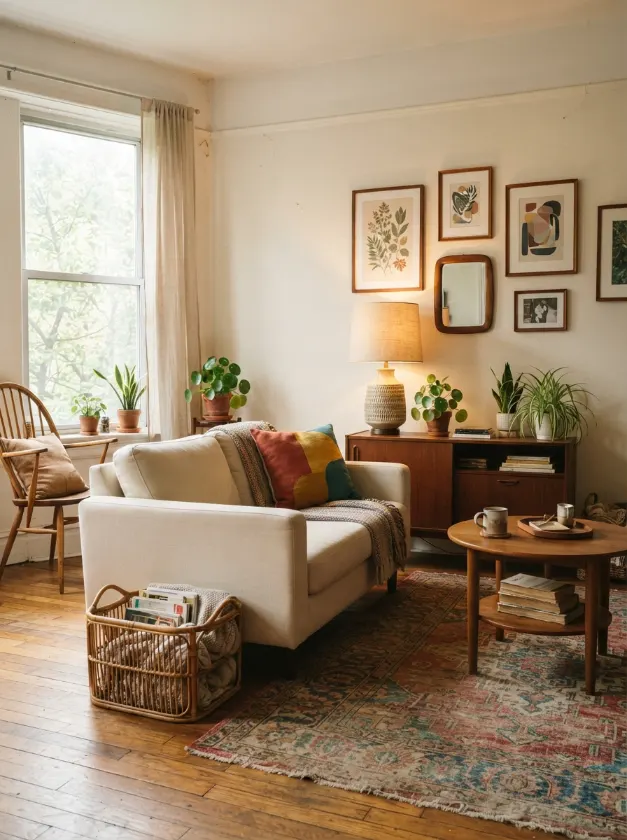
Secondhand shopping can be especially useful for this look. Search for solid wood tables, older lamps, framed art, mirrors, ceramic pieces, and small storage cabinets rather than trying to buy everything new.
Give yourself a short list before shopping. For example, you might be looking for a walnut side table, a warm table lamp, or one large piece of wall art. Having a target makes it easier to avoid buying random objects simply because they look vintage.
You can also make a low-cost room feel more complete with textiles. A patterned pillow, vintage-style rug, or textured curtain can change the atmosphere without requiring a major furniture purchase.
If you are working with a particularly small apartment, our college apartment inspo guide has additional ideas for making limited space feel personal and practical.
What Should You Avoid When Decorating a Retro Apartment?
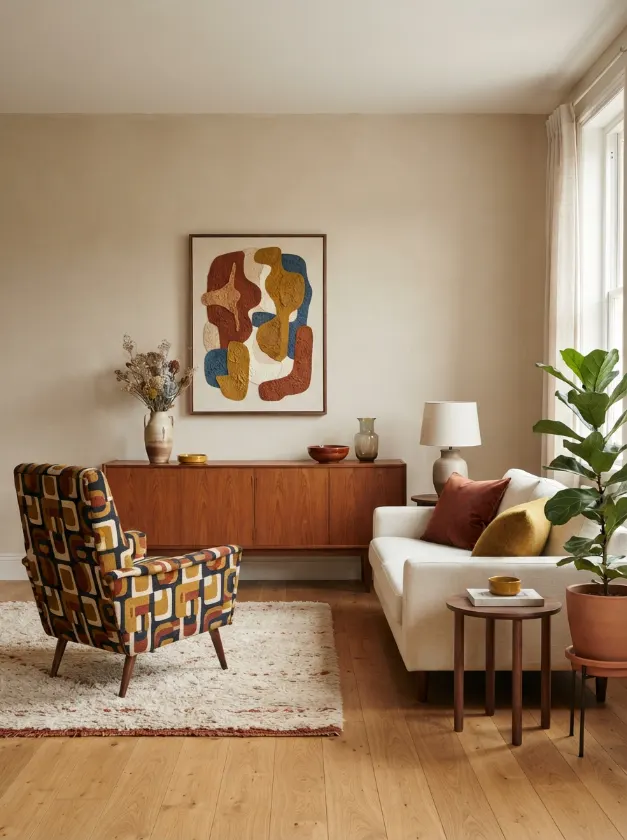
The biggest mistake is assuming that every item needs to look retro. Too many themed objects can make a room feel staged rather than lived in.
Another common problem is buying furniture before checking measurements. Retro pieces can be visually substantial, especially cabinets, lounge chairs, and dark wood storage. Measure doors, walking paths, and available floor space before bringing anything home.
It also helps to avoid filling every empty surface. Leave room between collections and use a few stronger pieces instead of dozens of small accessories.
If you like mixing older and newer styles, you may also enjoy our guide to post modern interior design, which explores another approach to combining strong shapes, materials, and statement details.
How Can a Retro Apartment Look Stylish Without Matching Everything?
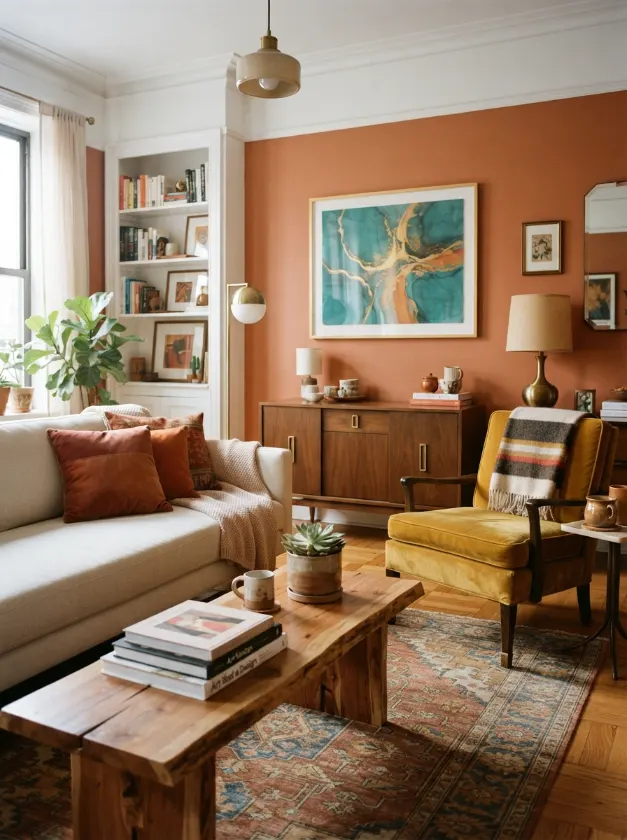
Use repetition instead of matching. Repeat a color, material, shape, or finish in several places and let the individual pieces remain different.
A mustard chair can connect to a small artwork. A walnut cabinet can relate to a wooden tray. Brass hardware can repeat the finish of a lamp. These small links give the room structure while preserving personality.
This is also where personal objects become important. Books you actually read, souvenirs from trips, inherited ceramics, photographs, or a favorite chair can make the apartment feel like a home rather than a showroom.
How Can You Build a Retro Apartment Aesthetic One Room at a Time?
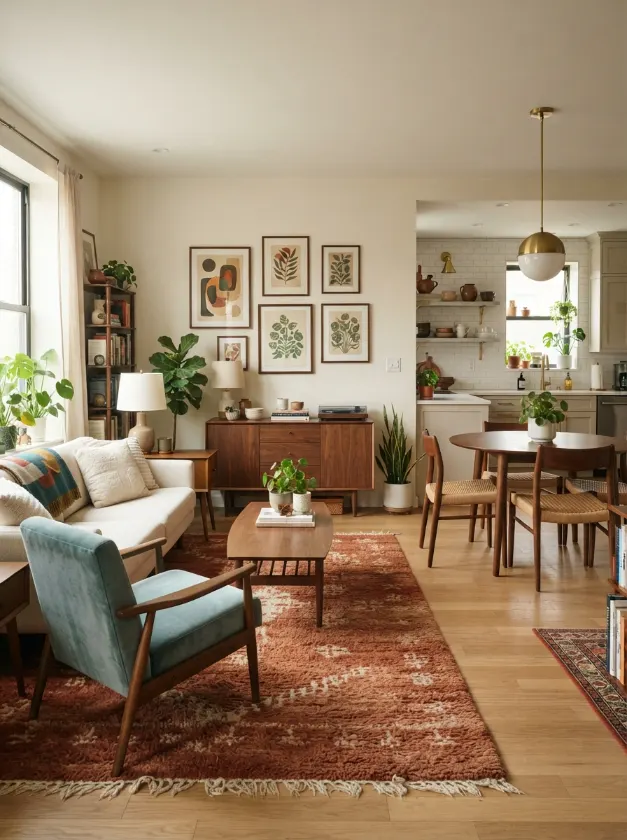
You do not need to redesign the entire apartment at once. Start with the room where you spend the most time and choose one anchor piece.
That might be a vintage sofa, a colorful rug, a wooden sideboard, a patterned wallpaper, or a distinctive lamp. Build the rest of the room around that piece using a restrained palette and a few repeated materials.
Once that room feels balanced, carry one or two details into the next space. The same wood tone, accent color, or metal finish can create continuity without making every room identical.
A good retro apartment aesthetic should feel like it developed over time. It can include old and new pieces, bold and quiet areas, practical storage, and objects that have a story. The goal is not perfect coordination. It is a home where the design feels connected to the people living there.
FAQs
What is a retro apartment aesthetic?
A retro apartment aesthetic combines vintage-inspired colors, furniture shapes, patterns, lighting, materials, and decorative details with practical modern living. It can draw from several decades rather than copying one exact historical period.
What colors work best for a retro apartment?
Warm earthy colors such as rust, mustard, olive, burnt orange, cream, brown, terracotta, and muted teal are common choices. The easiest approach is to choose one dominant color, one supporting shade, and a few neutrals.
How do I make retro decor look modern?
Mix vintage-looking pieces with clean contemporary furniture, simple bedding, modern storage, and uncluttered surfaces. Keeping some areas visually quiet prevents the room from feeling like a period set.
Can I create a retro apartment aesthetic in a rental?
Yes. Focus on portable elements such as rugs, lamps, furniture, artwork, curtains, cushions, plants, and removable wallpaper. Check your lease before using adhesive products or making wall changes.
How do I mix vintage and modern furniture?
Look for connections in color, material, shape, or scale. A vintage wood cabinet can work with a modern sofa if another wood element appears elsewhere in the room. The pieces do not need to match exactly.
Is retro apartment decor expensive?
It can be affordable because secondhand shops, flea markets, estate sales, and local listings can provide furniture and accessories at different price points. Buy fewer pieces with clear purposes rather than trying to decorate everything at once.
How many retro patterns should I use in one room?
There is no fixed number, but controlling scale and color helps. If one pattern is large and bold, keep other patterns smaller or quieter. Repeat a few colors so the different prints feel connected.
What furniture works best in a retro apartment?
Warm wood cabinets, rounded lounge chairs, low-profile sofas, vintage-style side tables, credenzas, curved mirrors, and simple dining furniture can all work. Choose based on the room’s measurements and how you actually use the space.
How can I make a retro apartment feel less cluttered?
Give collections breathing room, keep useful items accessible, and avoid decorating every surface. Use closed storage for everyday clutter and reserve open shelves for objects you genuinely want to see.
What lighting works with retro decor?
Globe pendants, mushroom lamps, brass floor lamps, sculptural table lamps, and warm-toned fixtures can work well. Use several light sources at different heights instead of relying only on a ceiling fixture.
Conclusion
A retro apartment aesthetic does not need perfectly matched furniture, a strict decade theme, or a huge decorating budget. Its strongest quality is the freedom to combine pieces that have character with things that make modern life easier.
Start with one anchor piece, build a controlled color palette, repeat a few materials, and leave enough quiet space for the room to breathe. Add vintage art, warm lighting, natural wood, useful storage, plants, and personal objects gradually.
The result should not look like a showroom assembled from one catalog. It should feel collected, comfortable, and recognizably yours. That is what gives retro apartment design its lasting appeal.