DIY Outdoor Projects: 12 Brilliant Builds Worth Making
DIY outdoor projects are hands-on builds — seating, planters, paths, screens, and small structures — made with affordable materials and basic tools to make a yard more useful and welcoming. Great outdoor spaces do not always begin with expensive furniture or a full landscape renovation. The smartest DIY outdoor projects use affordable materials, practical planning, and a little creativity to make a yard more useful and welcoming. From pallet seating to simple garden structures, these builds can add comfort, privacy, storage, and personality without wasting money. For more pallet ideas, explore outdoor pallet projects.
Before buying another outdoor accessory, look at what your patio, porch, fence, or garden is missing. A handmade feature can often solve the problem better than a store-bought item, especially when you choose durable materials and design the project around the way your family uses the space.
1. Build a Pallet Sofa Under a Simple Pergola
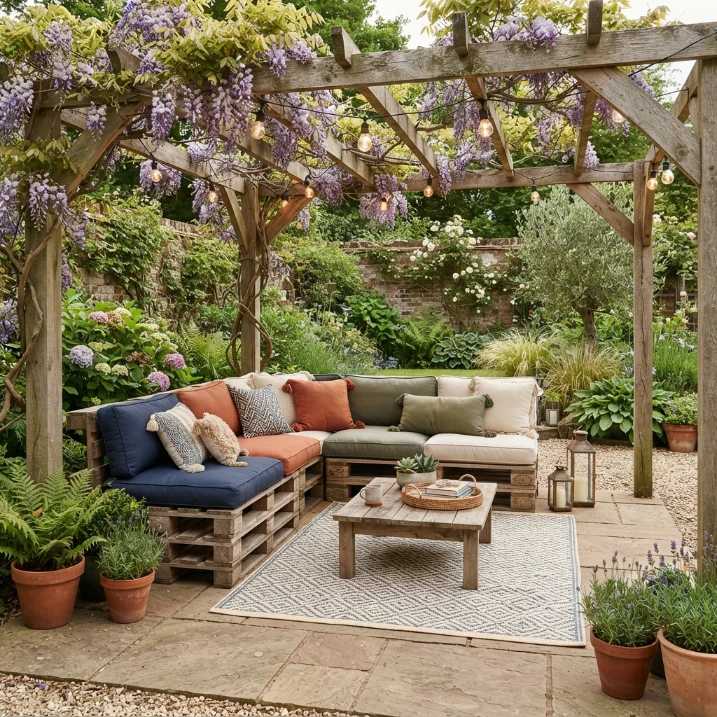
A pallet sofa is one of the most flexible DIY outdoor projects for a patio or covered corner. Sand and secure several sound pallets, stack them into a stable base, and add outdoor foam cushions in navy, rust, olive, or cream. A simple timber pergola above the seating gives climbing plants and string lights a place to grow. Use only HT-stamped pallets, join them with exterior screws, and finish with weatherproof cushions; allow roughly $150–$300 and one weekend to complete it.
2. Create a Pollinator-Friendly Bee Hotel
Give beneficial insects a small home with an untreated wood frame, bamboo tubes, drilled timber blocks, pinecones, and bark. Keep the structure dry, face it toward gentle morning light, and mount it securely. The uneven natural materials make the finished piece feel like part of the garden rather than a bright novelty decoration. Mount it on a south-facing, sheltered wall at 3-5 ft high, using untreated wood tubes, and keep pesticides away from the area.

3. Make Planter Boxes That Double as Benches
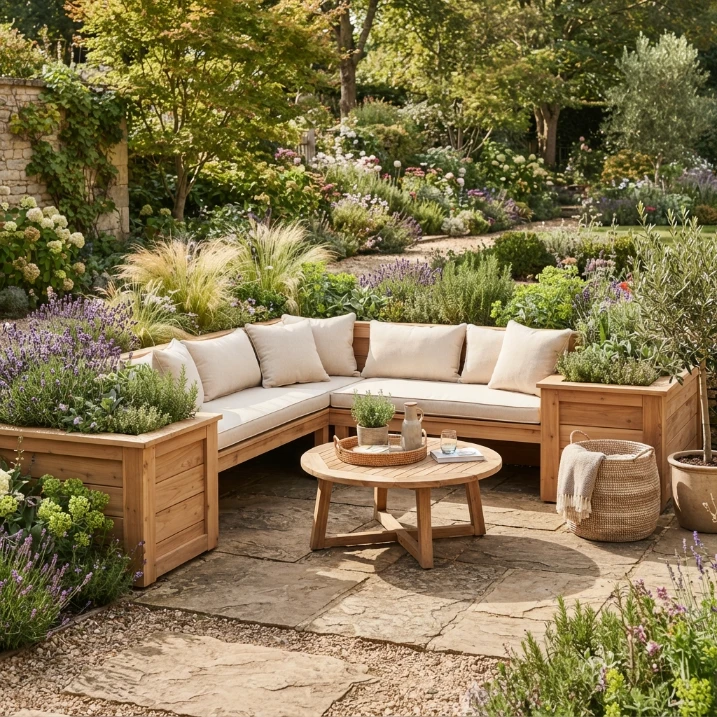
Combine seating and planting by building sturdy cedar or reclaimed-wood planter boxes at bench height. Add a protected liner, drainage holes, and weather-resistant screws. Fill the boxes with lavender, ornamental grasses, herbs, or compact flowers, then top the adjoining section with a deep outdoor cushion. Add drainage holes, keep the soil depth at 10–12 in, and use cedar boards for lasting structure.
4. Turn an Old Tire Stack Into a Play Zone
Clean, anchor, and paint used tires in coordinated colors such as muted blue, terracotta, mustard, and sage. They can become stepping towers, garden obstacles, or a low climbing feature. Use secure posts, rounded edges, and properly fixed hardware; outdoor play structures must be checked regularly for movement and wear. Scrub each tire clean, bolt the stack together, and finish with a soft landing surface underneath.

5. Set Up a Cozy Outdoor Movie Corner
Create a backyard cinema with a portable projector, plain outdoor screen, weather-safe seating, lanterns, and warm string lights. Arrange chairs and floor cushions in a loose semicircle, add washable blankets, and keep electrical equipment protected from moisture. The result feels more special when the lighting is layered instead of relying on one harsh floodlight. Set the projector on a stable table and keep any outdoor-rated extension lead off walkways.

6. Build a Hanging Daybed for Slow Afternoons
A suspended daybed can turn an unused porch beam or properly engineered frame into a relaxing retreat. Use a strong base, rated chain or rope, heavy-duty hardware, and an outdoor mattress. Add a small side table, washable pillows, and soft amber lighting, but never hang the bed from an unverified structure. Check the ceiling or frame load before hanging, and choose an outdoor mattress for comfort.

7. Make a Tiered A-Frame Plant Stand
Small patios benefit from vertical planting. Build two angled timber sides and connect them with three or four shelves. Keep the frame natural wood and paint only the shelf edges in terracotta or deep green for a designer finish. Place trailing plants at the top, herbs in the middle, and compact pots near the bottom. Put sun-loving plants on the top tiers and shade plants below, so each level gets suitable light.

8. Repurpose a Vintage Birdcage as a Planter
An old metal birdcage can become a romantic hanging garden. Line the base with coco fiber or moss, add lightweight soil, and plant trailing ivy, petunias, or small succulents. A weathered finish works beautifully with stone walls, aged timber, and terracotta pots. Make sure the cage is strong enough for the wet planting mix. Use a coco-fiber or moss liner, add trailing plants, and hang it from a hook rated for the wet weight.

9. Create a Vertical Pallet Garden
Use a sound pallet as a wall-mounted plant display for herbs, flowers, or succulents. Attach it firmly to a suitable support, add staggered hooks, and use lightweight containers. Combine terracotta, glazed ceramic, and rope hangers to avoid a flat grid effect. Check the total weight after watering before relying on the anchors. Line it with landscape fabric, plant herbs, lettuce, or strawberries, and check the total weight after watering.

10. Build a Small Gravel Pathway
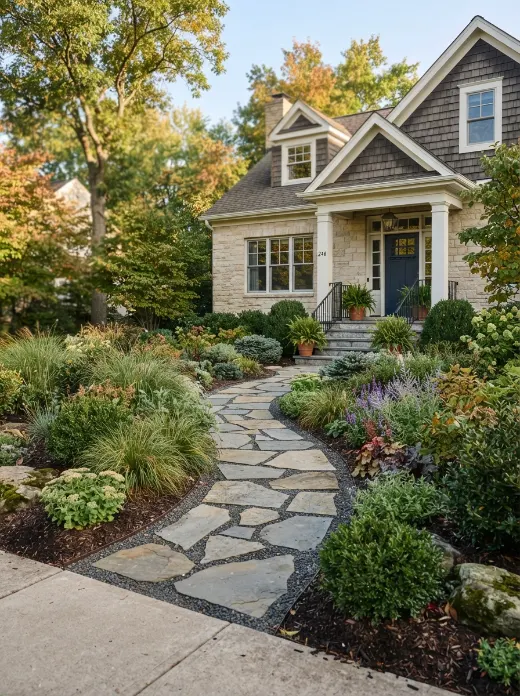
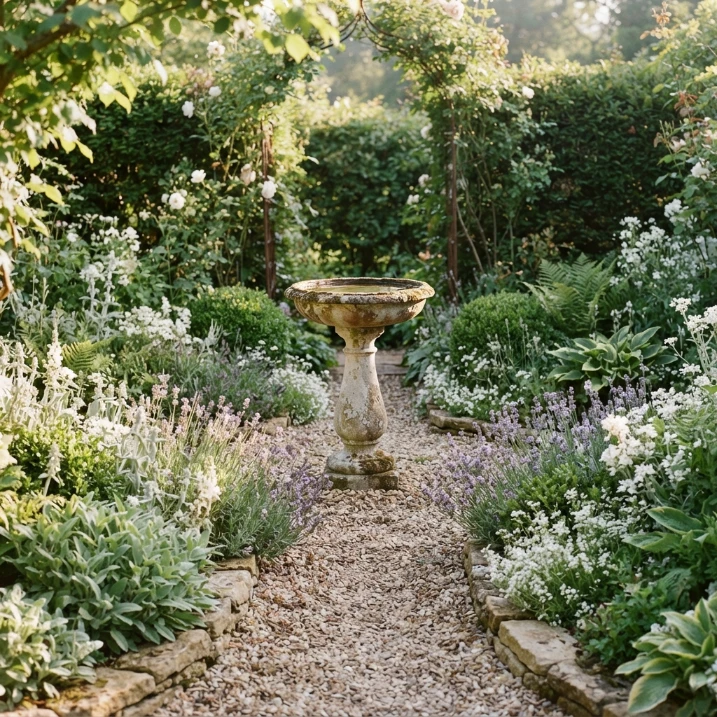
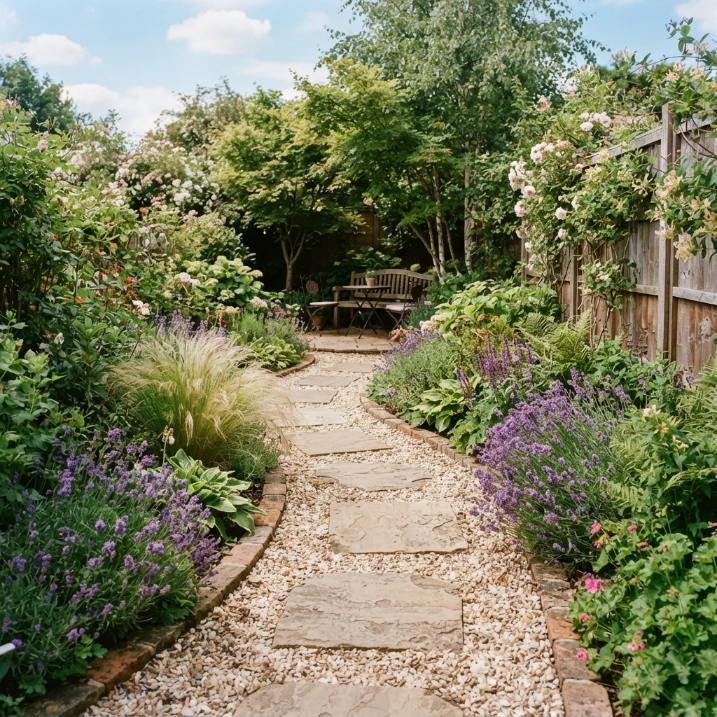
A gravel path is a simple way to connect the patio, garden beds, and seating area. Mark the route, remove loose soil, install landscape fabric where appropriate, and add compacted gravel with stepping stones. Use natural stone, timber edging, or reclaimed bricks to give the path structure and keep the gravel contained. Lay landscape fabric, spread 2–3 in of gravel, add metal or timber edging, and shape a slight crown for drainage.
11. Add a Privacy Screen With Climbing Plants
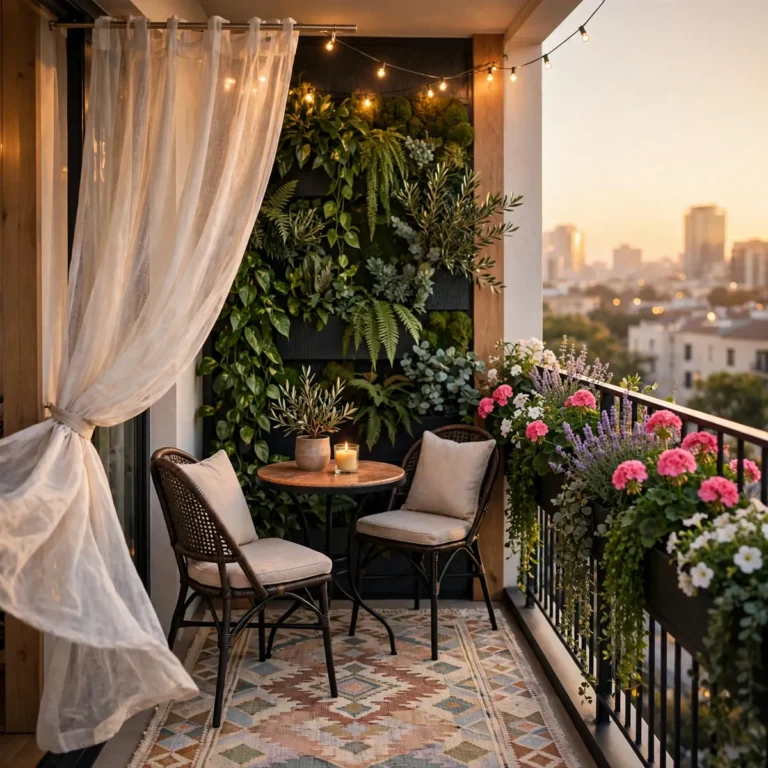
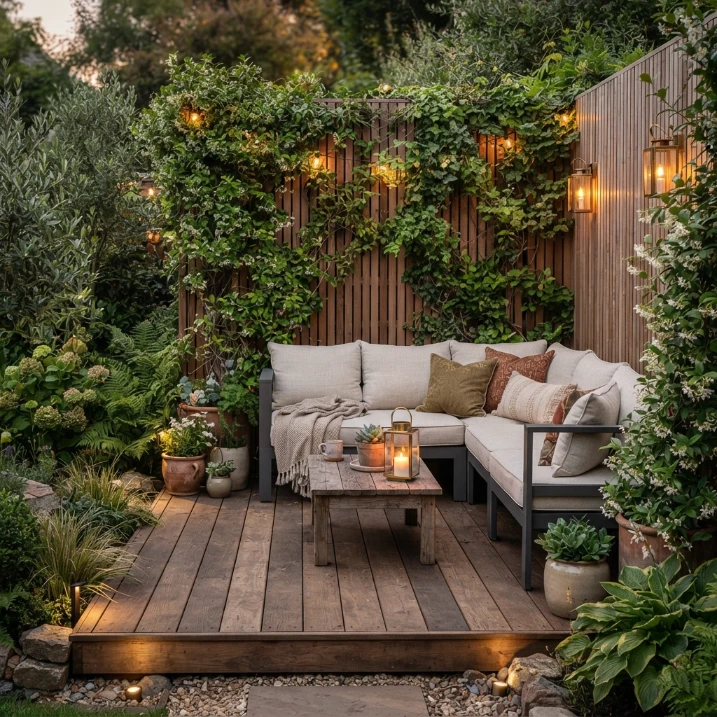
Build a slatted timber screen or trellis beside a seating area, then train suitable climbing plants across it. Cedar, stained pine, or dark-painted wood pairs well with greenery. Leave enough airflow and space for maintenance, and choose plants that suit your sunlight, climate, and available support. Set the frame posts in concrete, train jasmine, clematis, or evergreen climbers, and leave a 6–12 in gap from the fence for airflow.
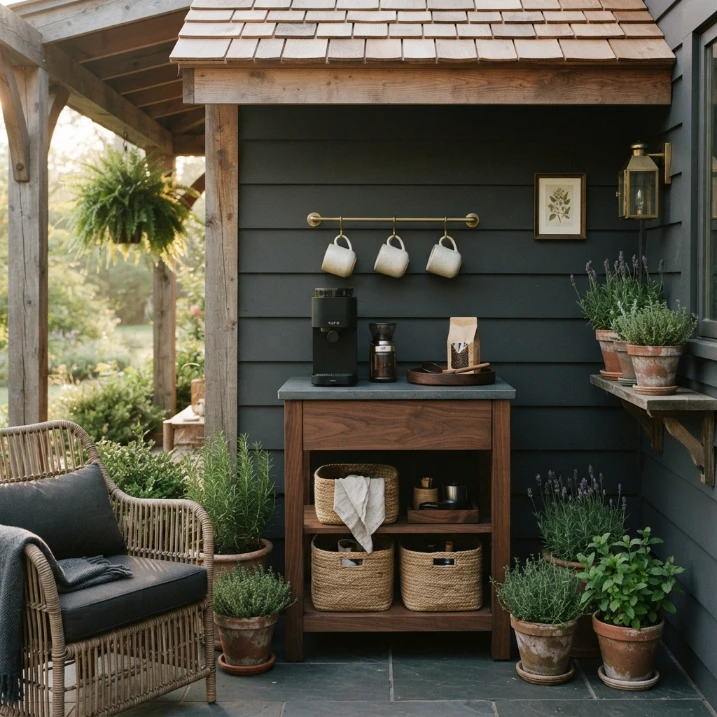
12. Make a Compact Outdoor Coffee Station
A narrow weather-resistant shelf or cabinet can create a useful coffee and refreshment station on a porch. Add hooks for mugs, a lower shelf for baskets, and a durable countertop. Use charcoal, walnut, cream, and brass-toned details for a polished look, while keeping appliances protected from rain and direct heat. Use a weatherproof cabinet, a covered outlet, and lidded storage to keep supplies dry and tidy.
Weekend-Only DIY Outdoor Projects: What to Tackle First
For a single day, start with a planter, a birdcage planter, or a compact coffee station. For two days, tackle a pallet sofa, a gravel pathway, or a privacy screen. Start with the problem the yard actually has, not the prettiest project.
How to Choose the Right DIY Outdoor Projects
Start with one project that solves a real problem. Measure the space, check the weather exposure, choose exterior-rated materials, and estimate the full cost before cutting anything. Reclaimed materials can reduce spending, but never reuse wood, fasteners, or hardware that is rotten, chemically treated, or structurally unreliable.
For more outdoor inspiration, explore our Garden & Outdoor Lifestyle Design category and pair your build with thoughtful lighting, planting, and comfortable seating.
DIY outdoor projects at a glance
| Project | Budget | Time | Skill |
|---|---|---|---|
| Pallet sofa | $150–$300 | one weekend | beginner+ |
| Gravel pathway | $100–$250 | one day | beginner |
| Vertical pallet garden | $50–$120 | half a day | beginner |
| Privacy screen | $150–$400 | one weekend | intermediate |
| Hanging daybed | $200–$500 | one weekend | intermediate |
DIY Outdoor Projects FAQs
What is the cheapest DIY outdoor project?
A simple gravel path or a vertical pallet garden is usually cheapest, since both use little material and no specialist tools.
What tools do I need for DIY outdoor projects?
Most projects need only a drill, a saw, a level, a tape measure, and exterior screws, plus safety glasses and a pencil for marking cuts.
Are pallet builds safe?
Yes, if you use only HT-stamped pallets with clean, dry boards, avoid any MB-marked pallets, and sand and seal the finished build.
What can I build in a small yard?
A vertical garden, a compact coffee station, or folding furniture works well, since each adds use without taking much floor space.
Which outdoor projects are renter-friendly?
Choose freestanding, no-dig, removable builds only, so you can take them with you without damaging the property.
Final Thoughts
The best DIY outdoor projects are the ones that make everyday outdoor life easier and more enjoyable. Choose a practical build, repeat a small color palette, mix natural textures, and leave enough open space for movement. A single well-made feature can change the feeling of a backyard far more than a pile of inexpensive decorations.