Nancy Meyers Home Aesthetic: 15 Warm Ideas for a Timeless Home
A Nancy Meyers home aesthetic has a way of making everyday rooms feel warm, polished, and genuinely lived in. The kitchens are especially memorable because they rarely look like showrooms. They feel ready for morning coffee, a long conversation, a messy recipe, or friends gathering around the island.
That feeling comes from a few repeatable design choices: warm whites, natural wood, classic cabinetry, generous lighting, useful objects left in view, and enough texture to keep neutral rooms from feeling flat. You do not need a movie-set budget to borrow those ideas. The goal is to understand why the spaces work and adapt the details to your own home.
Below are 15 practical Nancy Meyers home aesthetic ideas that can help you create a kitchen and surrounding rooms with that familiar cinematic warmth.
1. Start With a Warm, Light-Filled Kitchen
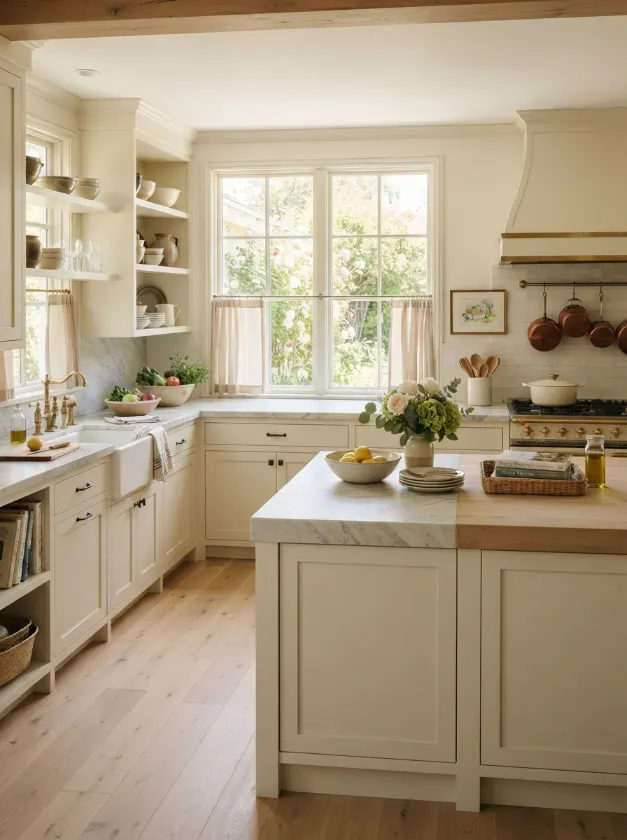
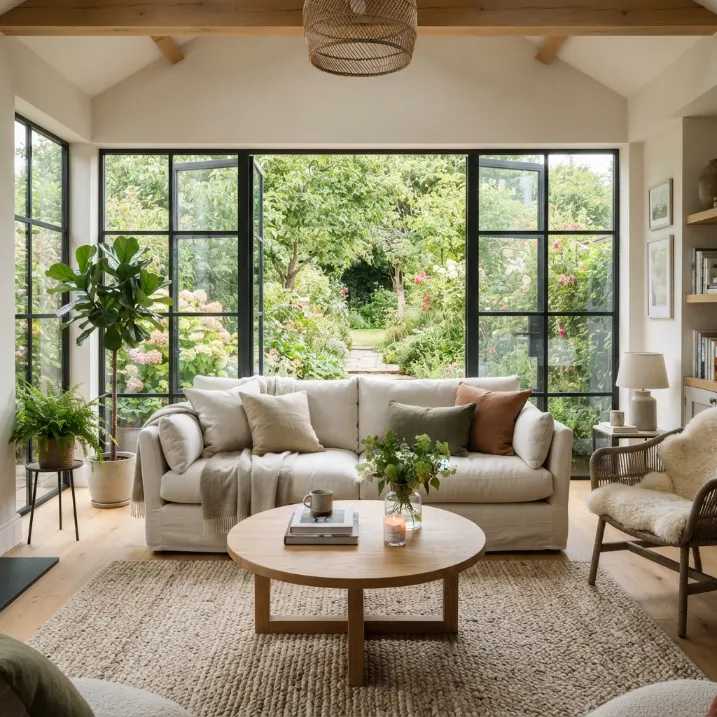
The kitchen is often the visual anchor of a Nancy Meyers inspired home. Instead of chasing a stark white showroom, use warm ivory, creamy white, soft beige, or a gentle greige. Natural daylight should do much of the decorating.
Keep window areas visually open where possible. Lightweight linen curtains, woven shades, or simple cafe curtains can soften strong sunlight without making the room feel dark. In my experience, this small change can make pale cabinets and wood surfaces look much richer throughout the day.
Design move: Choose one warm neutral for the main cabinetry and let daylight, wood, and aged metal provide the variation.
2. Choose Classic Shaker Cabinets
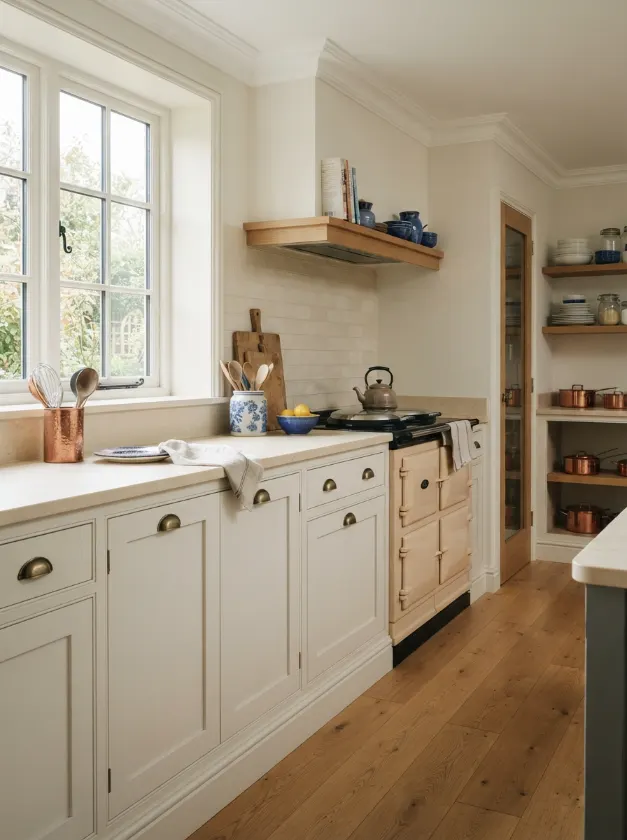
Shaker cabinetry works because it feels familiar without looking dated. The simple recessed panel gives the kitchen architectural detail while leaving room for hardware, lighting, countertops, and styling to carry the personality.
For this aesthetic, cream, soft white, muted sage, and pale gray-green are useful choices. If you prefer natural wood, light oak or softly stained walnut can bring even more warmth.
Avoid making every cabinet a different color or finish. The Nancy Meyers look usually feels collected because the larger elements remain calm.
3. Add Natural Wood Where the Kitchen Needs Warmth
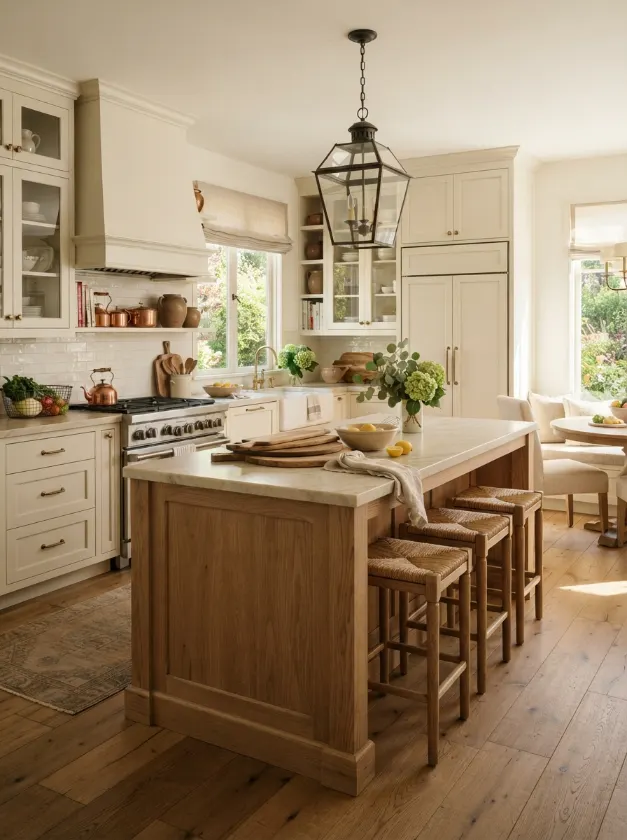
Too many hard white surfaces can make a kitchen feel clinical. Natural wood solves that problem quickly. Try a wood island, open shelves, cutting boards, stools, or a vintage-style dining table.
The grain matters more than the exact species. Visible variation gives the room a sense of age and character. A lightly finished oak island can feel especially inviting beside creamy cabinetry and pale stone.
Simple rule: If the kitchen already has several cool surfaces, add wood before adding more decorative accessories.
4. Make the Island Feel Like a Gathering Place
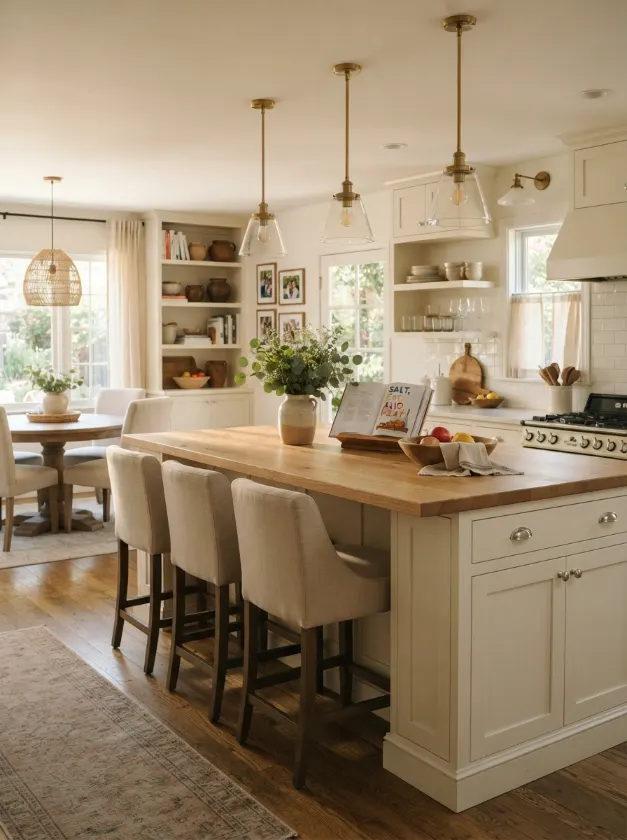
A large island is more than a work surface in this style. It becomes the place where people sit, prepare food, drink coffee, and talk.
If your kitchen is small, do not force an oversized island into the layout. A compact island or peninsula with comfortable stools can create the same social feeling. Leave enough circulation space around it so the kitchen remains practical.
Style the island lightly. A wooden bowl, a ceramic vase, or a small stack of cookbooks is usually enough.
5. Use Marble or Marble-Look Surfaces With Restraint

Marble adds the classic character associated with many warm, cinematic kitchens. Carrara marble with soft gray veining works especially well against cream cabinetry and natural wood.
You do not need marble everywhere. A countertop, backsplash section, pastry board, or small side surface can provide the visual connection without turning the room into a stone display.
If maintenance is a concern, porcelain or engineered surfaces with subtle veining can offer a similar visual effect. The important part is choosing a pattern that looks natural rather than overly dramatic.
6. Replace Cold Hardware With Aged Metal
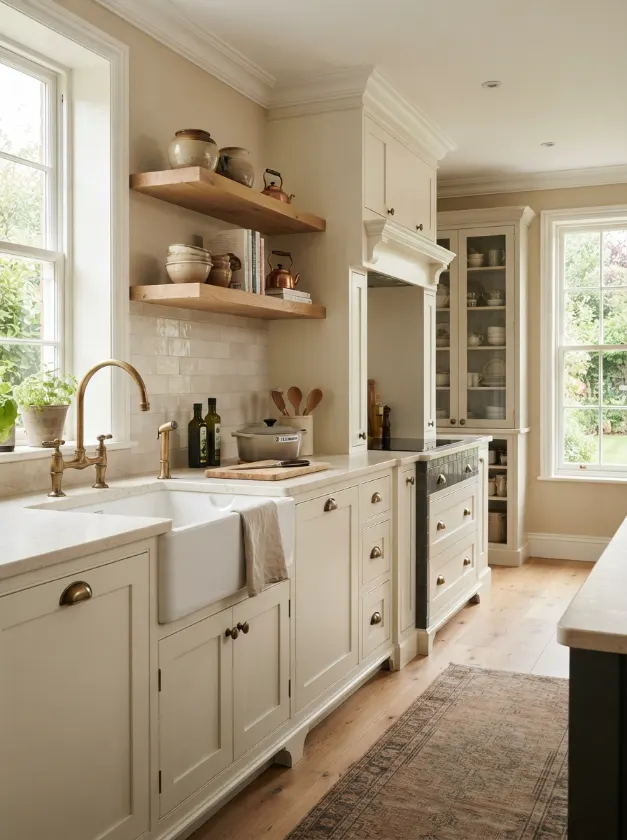
Hardware is one of the easiest places to shift the mood of a kitchen. Polished chrome can feel crisp and contemporary, while aged brass, antique brass, bronze, or softly brushed nickel can introduce more warmth.
Choose one main metal and repeat it across cabinet pulls, faucets, sconces, and small details. Matching every tiny object is unnecessary, but repeating the dominant finish creates visual continuity.
For a budget update, changing cabinet pulls and knobs can make a surprisingly noticeable difference without replacing the cabinetry.
7. Let Open Shelves Show Real Life
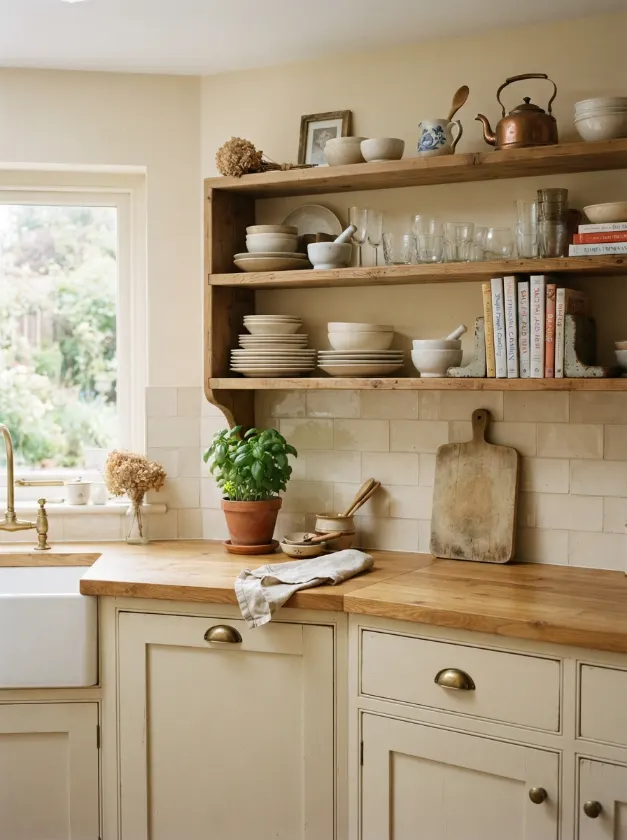
Open shelving works best when it looks useful rather than staged. Stack everyday white plates, ceramic bowls, glassware, cookbooks, and a few pieces of natural wood.
Do not fill every inch. Leave small areas of empty space so the shelves can breathe. Mixing horizontal stacks with vertical plates creates a more relaxed composition.
I have noticed that the most convincing versions of this look include objects people actually use. A favorite mug or slightly imperfect ceramic bowl can add more personality than a shelf full of matching decor.
8. Bring In Linen and Woven Textures

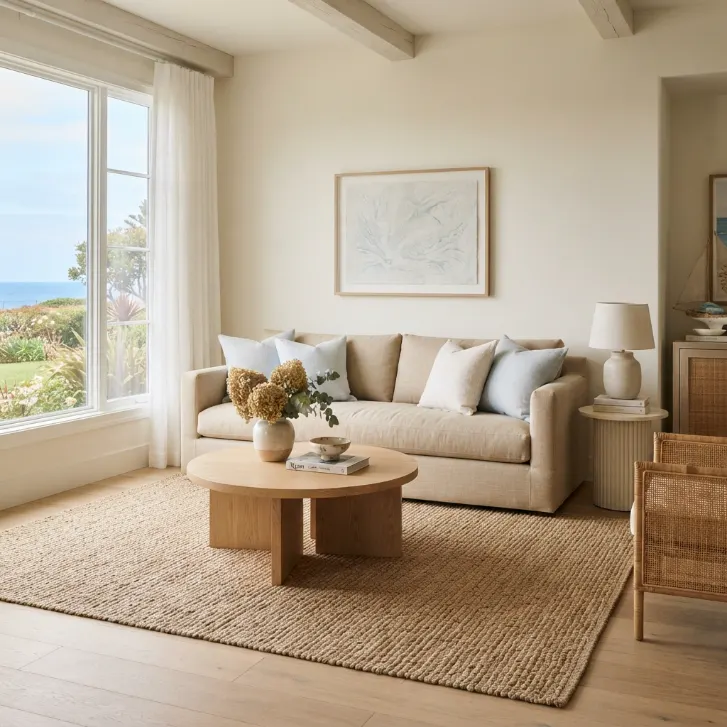
Texture keeps a neutral kitchen from becoming visually flat. Linen towels, woven baskets, rattan stools, cane shades, jute runners, and natural-fiber placemats all add softness without introducing loud color.
Try combining two or three textures instead of buying many decorative pieces. A linen cafe curtain beside a woven pendant and a wood stool can create plenty of depth.
Keep the palette restrained so the textures remain easy to notice.
9. Style Countertops Like Someone Actually Cooks There
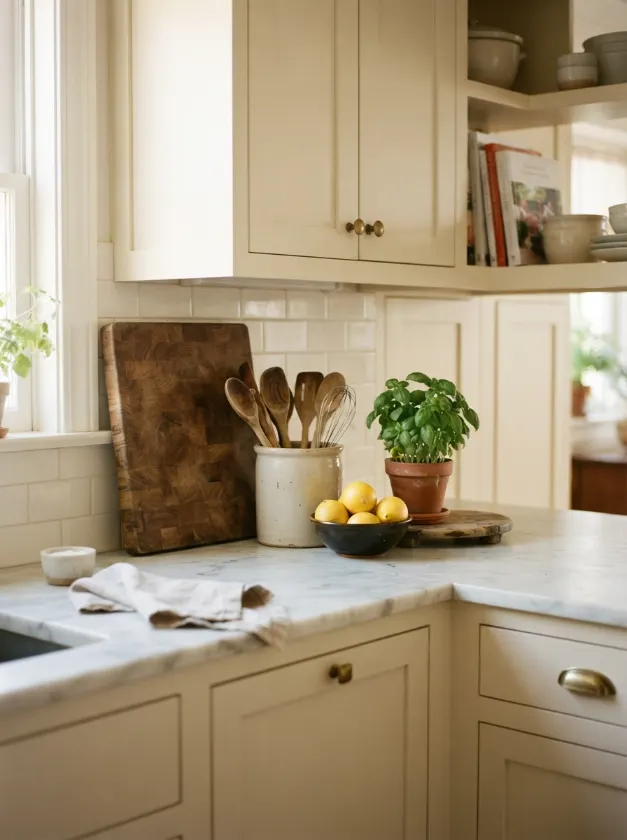
A Nancy Meyers inspired kitchen should look prepared for real life. Instead of covering the counters with decorative objects, choose a few useful items that happen to be beautiful.
A wooden cutting board can lean against the backsplash. A ceramic crock can hold wooden utensils. A bowl of lemons, pears, or apples can add a soft color note. Fresh herbs in small pots can bring another layer of life.
The trick is leaving plenty of clear workspace. A beautiful kitchen becomes less inviting if every surface is difficult to use.
10. Choose Pendant Lights With Warm Character
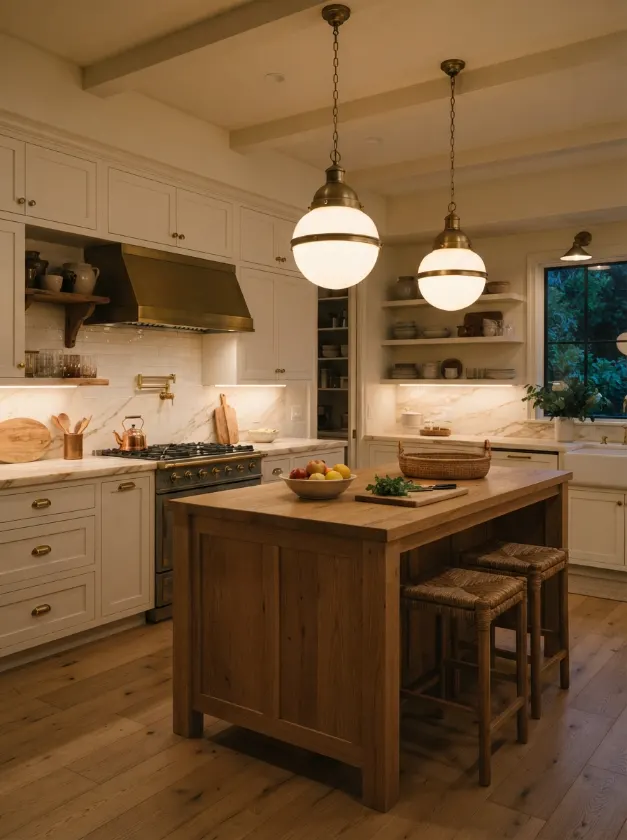
Lighting can change the entire mood of a kitchen after sunset. Instead of relying only on recessed ceiling lights, add pendants over the island or dining area.
Woven shades, aged brass fixtures, opal glass, and linen-style shades can all work with the Nancy Meyers home aesthetic. Choose fixtures with enough visual weight to balance the island without dominating the room.
Put the lights on dimmers if possible. Bright task lighting is useful while cooking, but a softer setting makes the kitchen feel much more relaxed during dinner.
11. Use Blue, Green, and Cream as Gentle Accent Colors
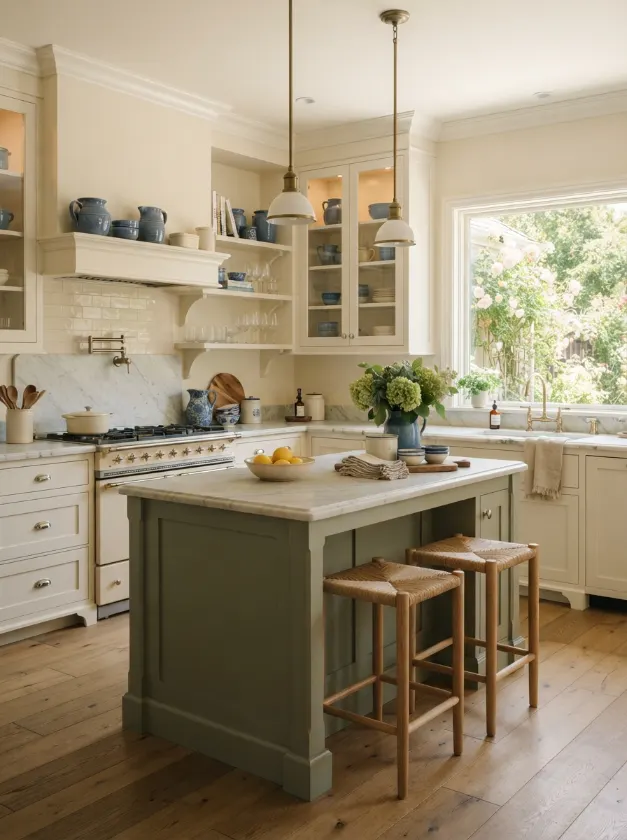
Warm neutrals do not have to mean an all-beige kitchen. Soft blue, muted sage, dusty green, and creamy white can add personality while keeping the room calm.
Use these colors in small, repeatable doses. A blue runner, green pottery, a painted island, or a pair of fabric stools can be enough.
Choose colors that look good beside your wood tones and countertop rather than selecting an accent shade in isolation.
12. Mix Old-Looking Pieces With New Essentials

One reason this aesthetic feels personal is that everything does not look newly purchased at the same time. A vintage stool, antique cutting board, old-looking ceramic pitcher, or secondhand dining chair can make a newer kitchen feel more established.
You can create this effect without buying expensive antiques. Visit thrift stores, estate sales, flea markets, or local secondhand marketplaces and look for simple pieces with useful shapes.
One or two older elements are often enough. Too many can make the kitchen feel themed rather than naturally collected.
13. Add Books, Ceramics, and Personal Objects

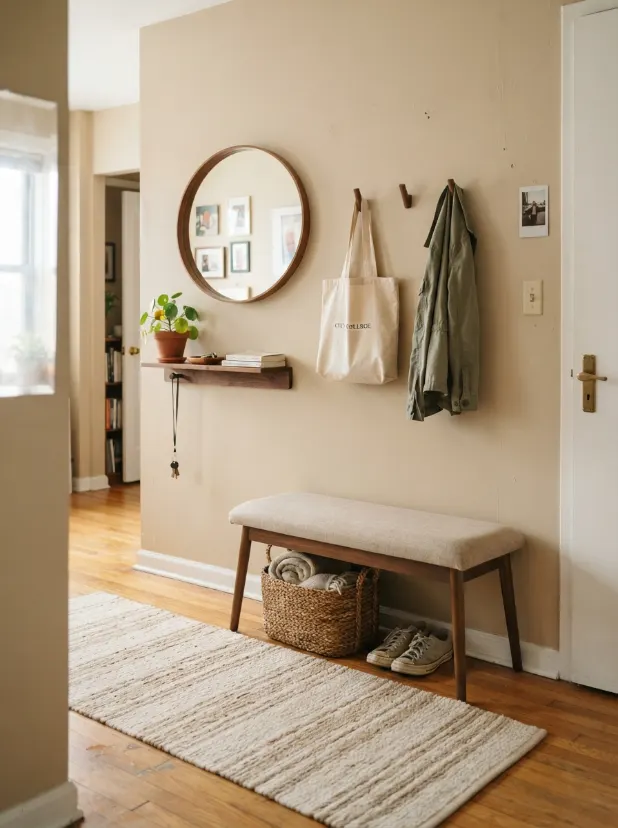
A beautiful kitchen still needs evidence that someone lives there. Cookbooks, handmade ceramics, framed art, a small collection of pottery, or a favorite family piece can give the room a story.
Choose objects connected to how you actually live. If you bake, keep a few favorite cookbooks visible. If you love ceramics, display one or two pieces that you genuinely enjoy.
Personal objects are especially useful in neutral rooms because they introduce character without forcing a strong color scheme.
14. Carry the Same Warmth Into the Dining Area
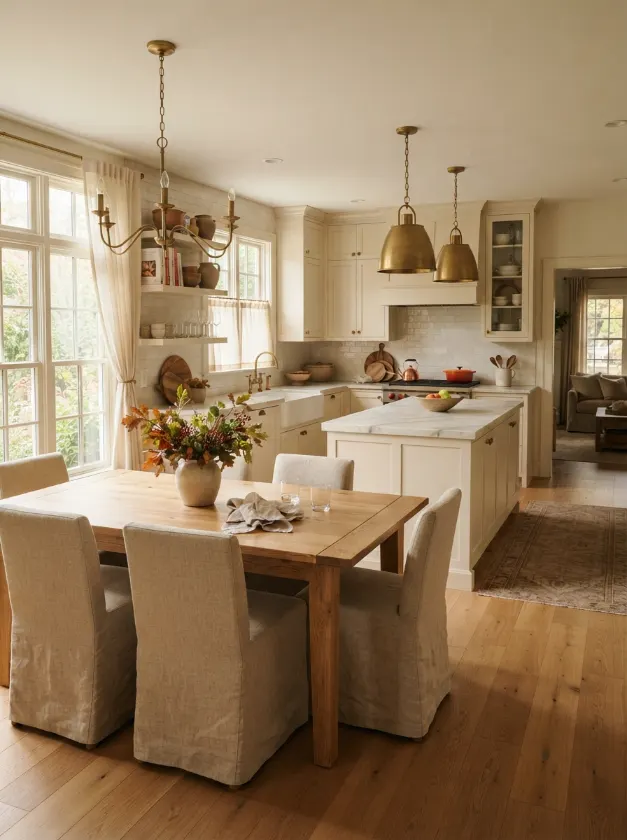
The kitchen should not feel disconnected from the dining space. Repeat a few materials across both areas so they read as one home.
A wood dining table can echo a wood island. Linen dining chairs can connect with linen window treatments. Brass or bronze lighting can repeat the kitchen hardware.
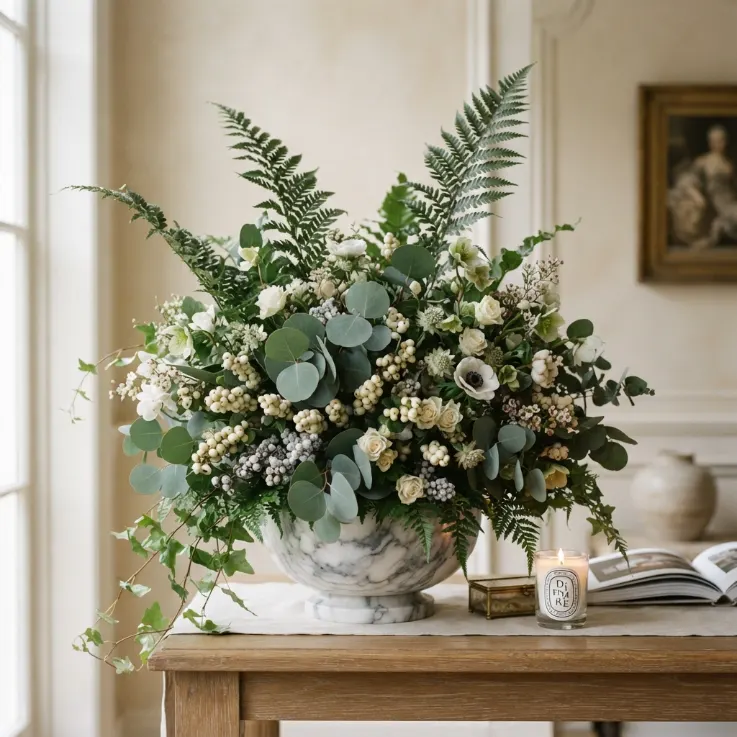
Keep the dining table simple. A ceramic vase with loose branches, a bowl of fruit, or a small arrangement of seasonal flowers is enough for everyday styling.
15. Leave Room for Imperfection

The final ingredient is not a material or a color. It is restraint. A room can lose its warmth if every cushion is perfectly placed, every book is aligned, and every countertop is completely bare.
Leave a little evidence of daily life. Let a cookbook remain open. Keep a wooden board beside the stove. Allow a linen towel to hang naturally. Use flowers that are slightly loose instead of arranging every stem with precision.
In my experience, this is often what separates a beautiful kitchen from one that simply looks decorated. The room should support real life first and photography second.
FAQs About the Nancy Meyers Home Aesthetic
What is the Nancy Meyers home aesthetic?
It is a warm, comfortable interior style associated with the homes seen in Nancy Meyers films. Common elements include light neutral colors, natural wood, classic furniture, layered textiles, books, flowers, soft lighting, and practical spaces that look genuinely lived in.
What colors work best for a Nancy Meyers kitchen?
Warm white, cream, soft beige, pale blue, muted sage, and gentle gray-green are strong choices. Natural wood and aged metals help keep these colors from feeling flat or cold.
How can I get the Nancy Meyers look on a budget?
Start with smaller changes such as cabinet hardware, warm bulbs, linen textiles, wood accessories, secondhand furniture, simple ceramics, and fresh flowers. These details can change the atmosphere without requiring a complete kitchen renovation.
What type of cabinets fit the Nancy Meyers style?
Shaker cabinets are a reliable choice because their simple profile works with traditional, coastal, cottage, and transitional interiors. Cream, warm white, muted green, and natural wood finishes are especially compatible with the aesthetic.
How do I keep a Nancy Meyers kitchen from looking cluttered?
Keep the largest surfaces simple and choose useful objects for display. Leave clear counter space, avoid filling every open shelf, and repeat a limited palette of materials such as wood, ceramic, linen, and aged metal.
Conclusion
The Nancy Meyers home aesthetic is less about copying one famous movie kitchen and more about understanding the ingredients behind that feeling. Warm neutrals, natural wood, classic cabinetry, useful objects, soft lighting, comfortable textures, and personal details create a home that feels welcoming without looking overly designed.
You can start small. Change the cabinet hardware, add a wood cutting board, replace harsh lighting, introduce linen, or bring one vintage piece into the room. These details build on one another over time.
If you already love the warm, calm look of a Nancy Meyers bedroom, the same design principles can continue through the kitchen and dining area. For another approach to calm, natural interiors, see our Japandi kitchen ideas as well.
Save this guide to Pinterest so you can return to the ideas as you plan your next kitchen update.