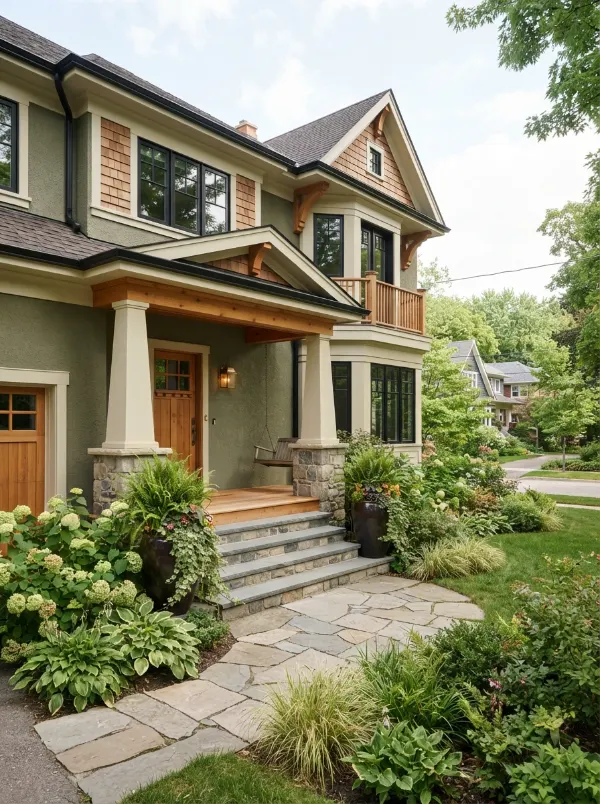
12 Brilliant Fire Pit Area Ideas for a Cozy Outdoor Gathering
A fire pit can be the heart of an outdoor space, but the best fire pit area does more than provide warmth. It creates a natural place to sit, talk, eat, relax, and stay a little longer. The secret is to design the entire setting around comfort, movement, views, lighting, and the way people gather.
In this guide, you will find practical fire pit area ideas for creating a welcoming backyard retreat. Each concept focuses on layout, materials, seating, planting, and atmosphere so you can build an outdoor space that feels intentional without looking overdesigned.
1. Start With the Gathering Zone

Before choosing a fire pit, decide how people will use the space. Will it be for quiet evenings with family, larger gatherings, outdoor dinners, or casual weekend entertaining? Your answer should determine the size of the seating area, the walking paths, and the distance between the fire and furniture.
A circular or gently curved layout usually encourages conversation because everyone can see one another. Leave comfortable circulation space behind the chairs so guests can move without crossing directly in front of the fire. The goal is to make the area feel connected, not crowded.
2. Create a Sunken Fire Pit Lounge

A slightly sunken fire pit area can feel intimate and architectural. Lowering the seating zone by a step or two gives the fire pit a clear focal position and separates the lounge from the rest of the yard. Stone retaining walls can double as informal seating, while built-in benches keep the design visually clean.
Use layered stone, gravel, and soft planting to prevent the space from feeling too hard. Warm under-cap lighting along the retaining wall can add a subtle evening glow. If you choose this approach, plan drainage carefully and use safe, durable materials designed for outdoor conditions.
3. Use Curved Seating to Improve Conversation
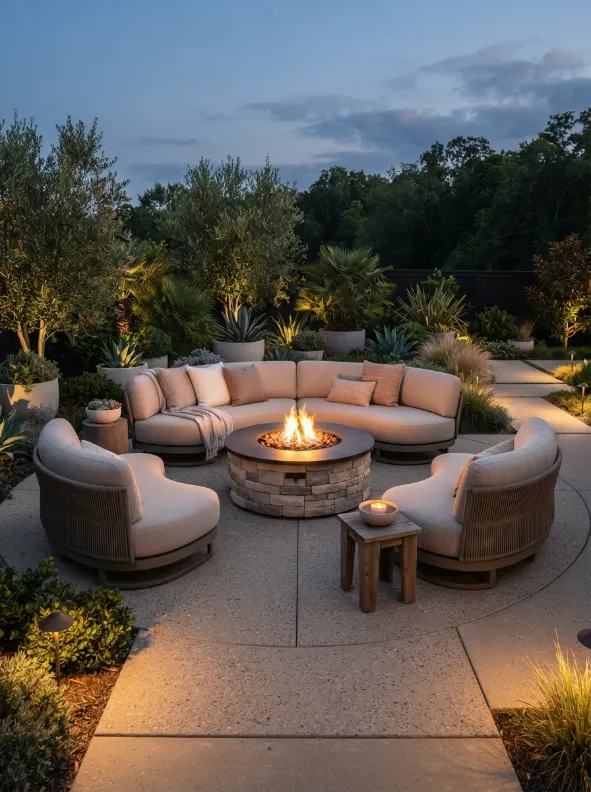
Curved benches and rounded chairs naturally frame the fire pit. They reduce awkward gaps and help create a shared center of attention. A curved built-in bench is especially useful in a smaller yard because it provides several seats without filling the area with separate furniture pieces.
Keep cushions in calm colors such as sand, oatmeal, taupe, or charcoal. Add texture with outdoor throws and pillows, but avoid excessive patterns that compete with the flames and surrounding landscape.
4. Add a Pergola for an Outdoor Room Effect

A pergola can give a fire pit area a stronger sense of place. It defines the ceiling of the outdoor room while allowing air and light to move through. Timber, black metal, or a combination of both can work beautifully depending on your home’s architecture.
Decorate the structure with weather-resistant hanging planters, climbing greenery, or carefully spaced string lights. Keep all fabrics, plants, and decorations safely away from the flame and follow the fire pit manufacturer’s clearance requirements.
5. Mix Materials for Depth

One material rarely creates enough visual interest on its own. Combine a few related textures: gravel beneath the fire pit, natural stone around the edge, warm wood for seating, and greenery to soften the borders. The most polished spaces repeat the same materials in several places rather than introducing too many unrelated finishes.
For a modern look, pair smooth concrete with muted cushions and dark metal. For a rustic setting, choose irregular stone, timber, and native planting. A limited palette makes the whole area feel cohesive.
6. Design Around the Best View

Position the fire pit where the landscape can become part of the experience. A garden, mountain view, water feature, or mature tree can act as a natural backdrop. Arrange seating so guests can enjoy both the fire and the view without constantly turning their bodies.
Use low planting near the seating zone and taller plants farther away to create depth. If privacy is needed, layer shrubs, ornamental grasses, and small trees instead of building a solid visual wall.
7. Make Lighting Part of the Layout
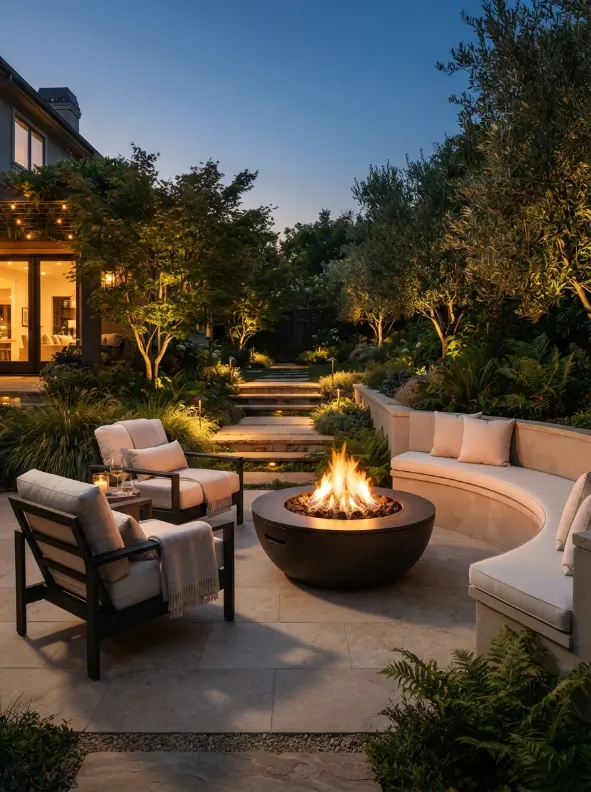
Good lighting makes a fire pit area feel safe and inviting after sunset. Combine several gentle sources instead of relying on one bright fixture. Path lights can guide movement, low wall lights can highlight steps, and warm overhead lights can define the seating zone.
Avoid placing bright lights directly beside the fire pit because they can reduce the visual impact of the flames. Choose warm color temperatures and shielded fixtures where possible. Lighting should support the atmosphere, not dominate it.
8. Add a Defined Ground Surface

A clear ground surface helps people understand where the gathering area begins and ends. Gravel is flexible and budget-friendly, while pavers and stone create a more finished patio effect. Large-format concrete slabs suit contemporary yards, and compacted decomposed granite can work well in relaxed garden settings.
Whatever surface you choose, make it stable, level, and comfortable for chairs. Avoid loose rugs or unstable furniture near the fire. Keep the immediate fire zone clear of dry leaves, mulch, and other combustible materials.
9. Include Built-In Comfort
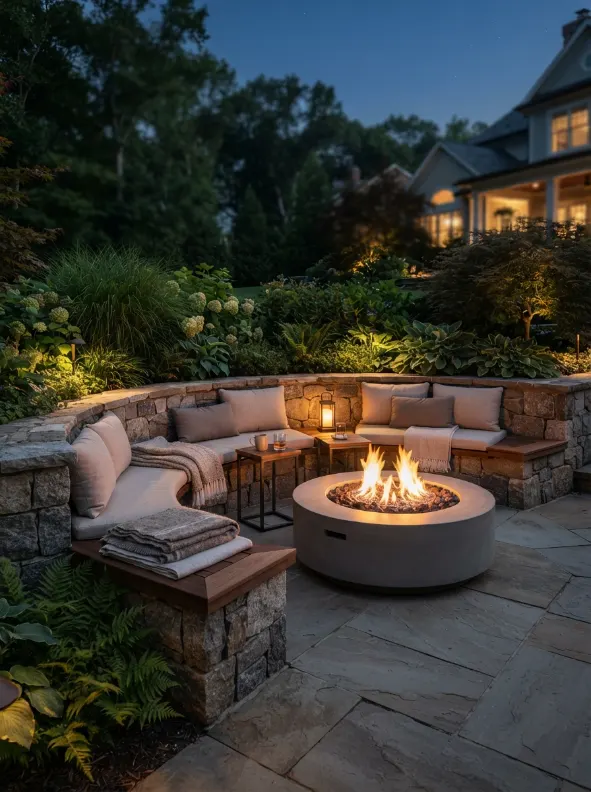
Built-in seating can make a fire pit area feel custom and uncluttered. L-shaped benches, curved stone walls, and low masonry seats all help organize the space. Add outdoor cushions with removable, weather-resistant covers so the area remains comfortable through changing seasons.
Small side tables are also important. Guests need somewhere to place mugs, plates, books, or snacks. Choose tables with sturdy bases and rounded edges where possible.
10. Use One Strong Focal Point
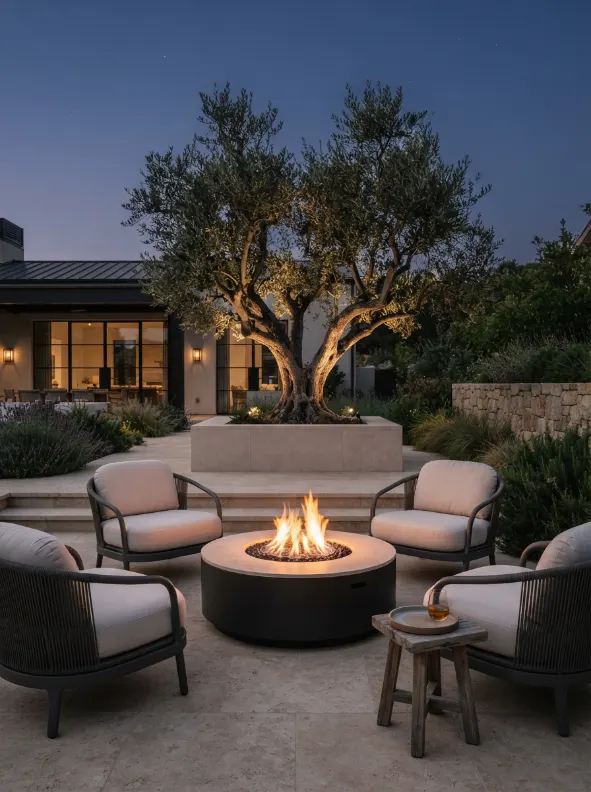
The fire pit should usually be the main focal point, but one additional feature can make the setting memorable. Consider a sculptural tree, a textured stone wall, a water feature, or a dramatic planter behind the seating zone.
Keep the rest of the design restrained. Repeating shapes, colors, and materials creates balance and allows the main feature to stand out without making the area feel busy.
11. Plan for Safe and Easy Movement
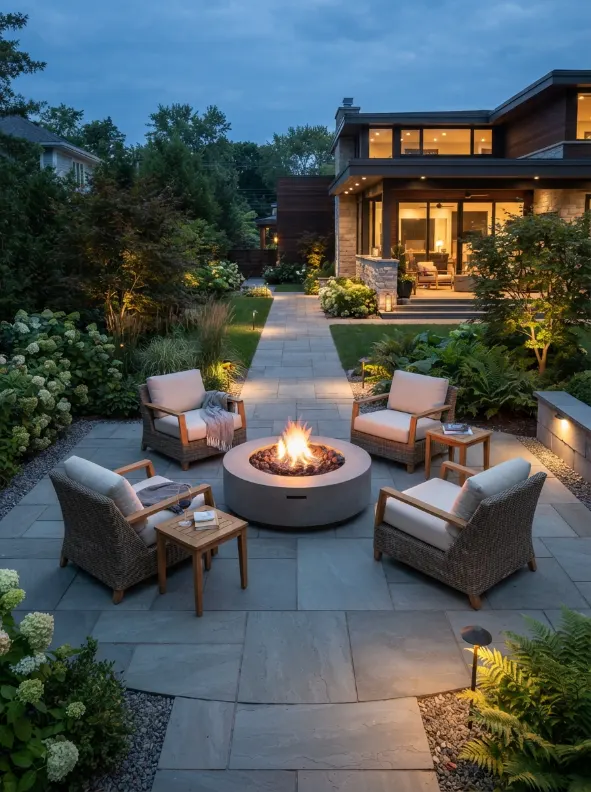
Beauty matters, but function comes first. Keep clear paths from the house to the fire pit, and avoid placing chairs where people must walk close to the flames. Follow local regulations, manufacturer instructions, and required clearances for the type of fire pit you install.
Use non-combustible surfaces around the fire pit and keep a suitable fire extinguisher, hose, or other approved extinguishing method accessible. Never leave a fire unattended, and check wind conditions before lighting it.
12. Finish With Natural Details

Plants, stone, timber, and soft textiles help a fire pit area feel connected to the garden. Choose plants suited to your climate and avoid dry or highly flammable planting immediately beside the fire. Ornamental grasses, ferns, evergreen shrubs, and low groundcovers can add layers when placed at a safe distance.
FAQs
How much space should be around a fire pit?
The required distance depends on the fire pit type and local rules. Always follow the manufacturer’s clearance instructions and leave enough room for comfortable seating and safe movement.
What surface is best for a fire pit area?
Non-combustible, stable surfaces such as properly installed stone, concrete, or suitable gravel are common choices. Avoid dry grass, loose mulch, and other combustible materials near the fire.
How can I make a small fire pit area feel bigger?
Use curved or built-in seating, a limited color palette, low-profile furniture, layered planting, and subtle lighting. Keeping the layout uncluttered helps the space feel open.
Final Thoughts
The most welcoming fire pit area is designed around people rather than the fire pit alone. Start with the gathering zone, create comfortable sightlines, choose a small group of materials, and use lighting to guide movement. Add seating that encourages conversation, planting that softens the hardscape, and practical safety features that make the space easy to enjoy.
With thoughtful planning, even a modest backyard can become a warm outdoor destination where people naturally gather and stay.