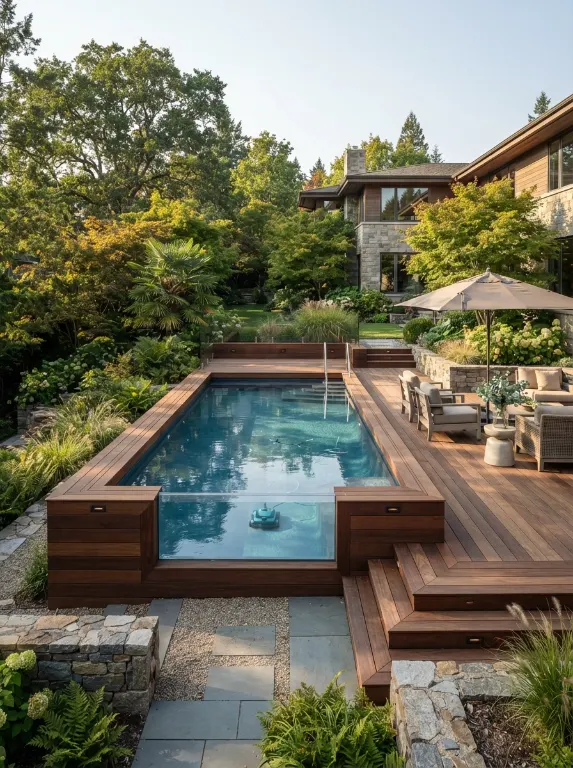
15 Powerful Red Brick House Exterior Colors for Stunning Curb Appeal
Red brick is a fired-clay wall material whose orange, pink, or brown undertone decides which exterior paint colors will sit comfortably beside it. Red brick has a timeless character that can make a home feel established, warm, and architectural. But the right paint palette can either enhance that character or make the facade feel disconnected. If you are comparing red brick house exterior colors, the key is to work with the brick’s undertones while also considering the roof, windows, landscaping, and hardscape. For broader ideas, see our guide to exterior house colors.
This guide explains how to build a cohesive exterior palette, which combinations work well, how to test paint outdoors, and which mistakes can make an otherwise beautiful brick home feel unbalanced.
How to Read Your Brick’s Undertone Before You Paint
Hold a sheet of white paper against the brick in daylight and look for the color reflected beside it. Orange, pink, or brown reflections reveal the undertone family, even when the brick looks simply red at first glance. Compare trim samples outdoors in the morning and again in the evening, because light can shift a color from warm to cool. Choose paint from the same undertone family rather than matching the brick’s overall redness, and the trim, door, and roof will sit more comfortably together.
Start With the Brick’s Undertones
Red brick is rarely one flat shade. Look closely and you may see orange, terracotta, brown, burgundy, plum, or muted gray notes. Warm brick usually works naturally with creamy whites, beige, taupe, olive, and warm wood. Cooler brick can pair comfortably with charcoal, slate blue, balanced whites, and deep green.
Before choosing red brick house exterior colors, place several paint samples beside the actual masonry. Compare them with both the brick faces and the mortar. Outdoor light can shift the appearance dramatically, so a shade that looks perfect indoors may feel much cooler or warmer outside.
Consider Mortar and Brick Texture
Brick has more visual texture than smooth siding, which means it reflects light differently throughout the day. Mortar lines also create a pattern that influences how strong a color appears. Light mortar can make contrast feel sharper, while darker mortar can create a softer, more blended facade.
For that reason, judge red brick house exterior colors as part of the whole wall rather than as isolated paint swatches. Large samples placed near the brick will give you a much more realistic impression than a tiny card.
15 Powerful Red Brick House Exterior Color Combinations
1. Crisp White Trim and Black Accents
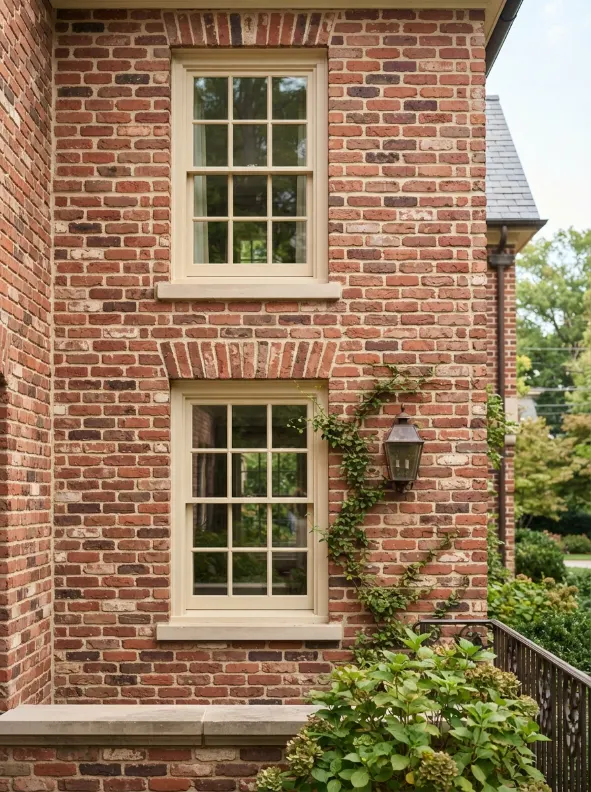
Crisp white is one of the most versatile red brick house exterior colors choices when it brings definition to windows, columns, cornices, and rooflines. Add black shutters or a black front door for a classic palette with strong architectural contrast. This works particularly well on traditional homes with symmetrical windows and clean lines. For example, warm-white trim with a black front door looks especially crisp on orange-toned brick.
2. Soft Greige and Warm Off-White
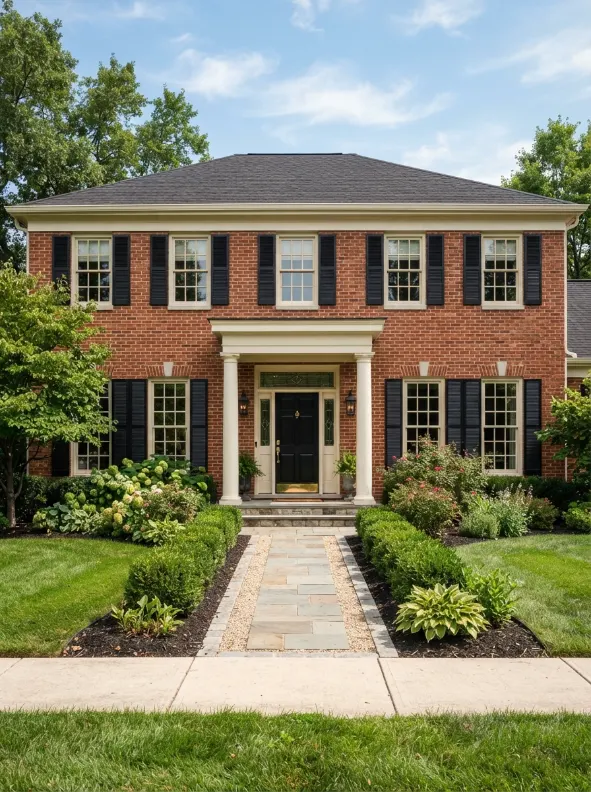
Among red brick house exterior colors, greige creates a quieter transition between warm masonry and the rest of the exterior. Pair a muted greige door or selected siding with warm off-white trim. This palette feels refined without making the brick compete with the paint. For example, a muted greige door with warm off-white trim softens pink-toned brick without hiding its warmth.
3. Charcoal Gray With Clean Trim
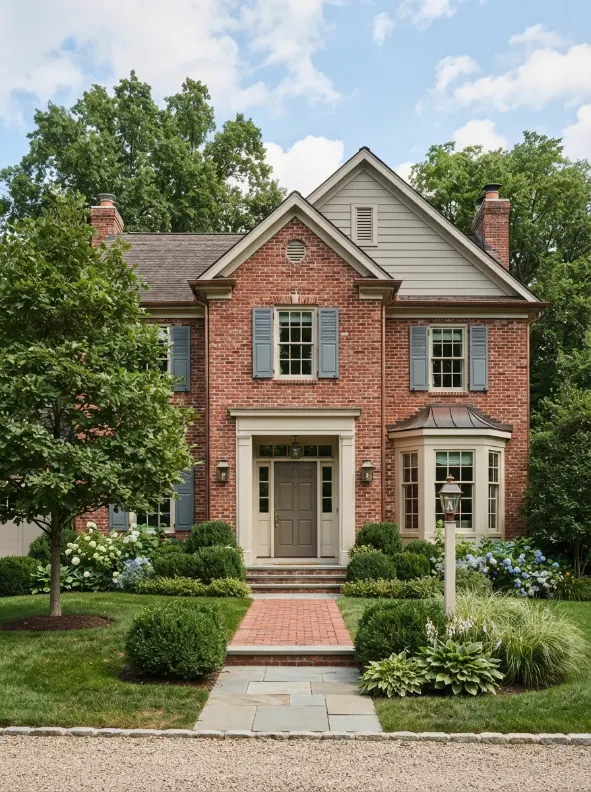
For red brick house exterior colors, charcoal gives a traditional brick home a more contemporary edge. Use it on shutters, the front door, garage doors, or selected window details instead of covering every trim surface. Repeating the charcoal in two or three locations creates visual rhythm. For example, charcoal window frames with a warm-white cornice give russet brick a clean, modern edge.
4. Olive Green and Natural Wood
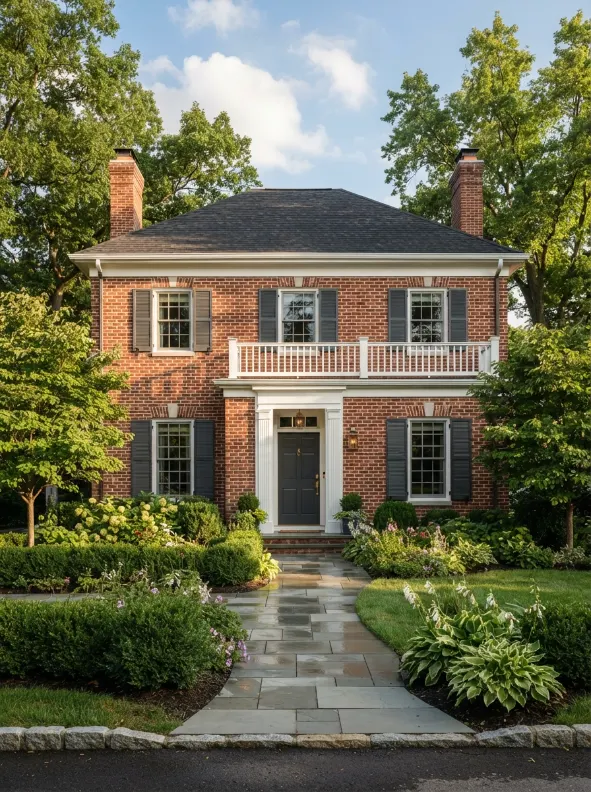
Muted olive green is one of the red brick house exterior colors that has an earthy quality that naturally complements warm brick. Olive shutters with a medium-toned wood door can create a relaxed, welcoming facade. Soft cream trim and simple planting keep the palette from becoming too heavy. For example, olive shutters echoing mature garden planting pair well with cream trim on brown-toned brick.
5. Slate Blue and Warm Beige
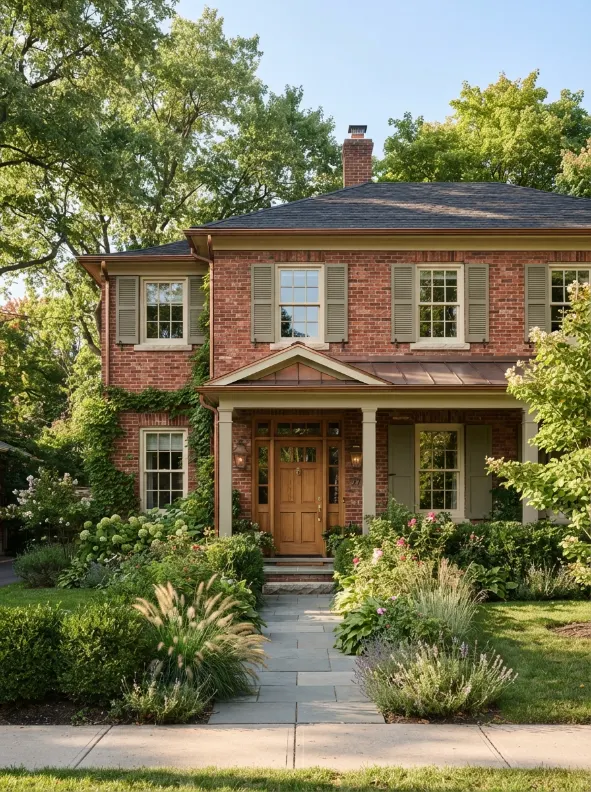
Among red brick house exterior colors, slate blue introduces a cooler accent while warm beige keeps the overall exterior grounded. Use blue-gray on shutters or the front door and reserve beige for larger siding areas. Dusty, muted blue generally integrates more easily than a highly saturated blue. For example, a navy door with soft-gray trim stands out calmly against deep-red brick.
6. Taupe, Cream, and Bronze Lighting
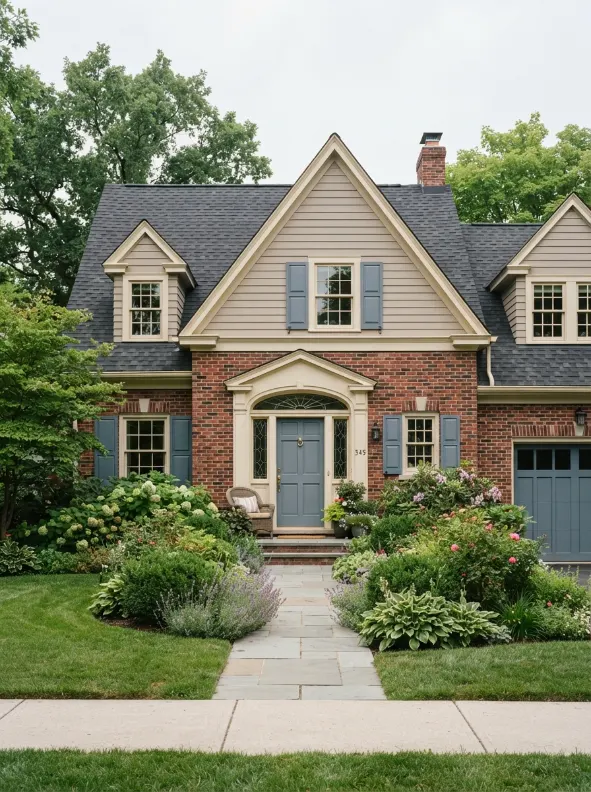
Taupe and cream are dependable red brick house exterior colors because they create a layered neutral palette that lets the brick remain the visual anchor. Add bronze or aged-metal lanterns to introduce warmth after sunset. This combination is useful when you want elegance without a high-contrast color scheme. For example, taupe siding with cream trim and bronze lanterns keeps a brown-toned brick facade warm at dusk.
7. Deep Forest Green and Soft Cream
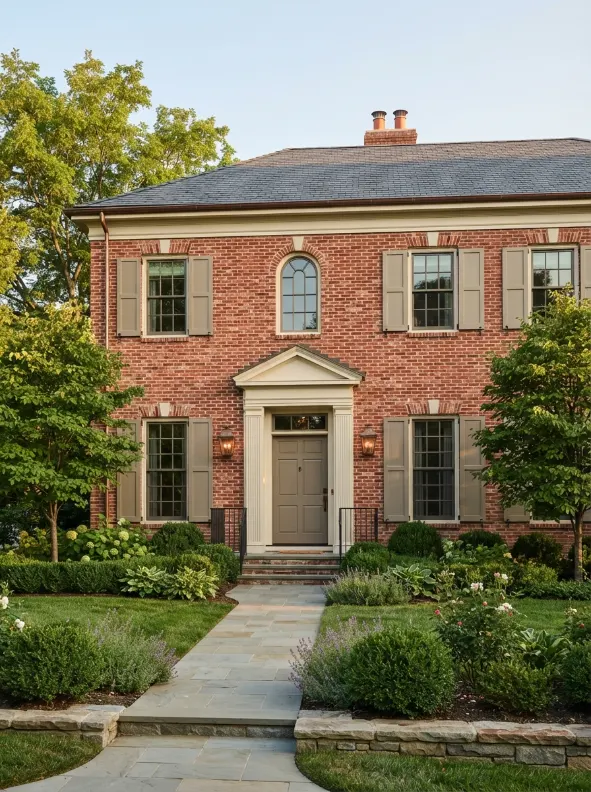
Deep forest green is a classic option among red brick house exterior colors and creates a traditional, substantial look against red brick. Use it for shutters, the front door, or selected trim, then use soft cream around windows and architectural edges. Mature trees and evergreen planting can reinforce the green naturally. For example, deep forest-green shutters with soft cream trim suit a brick home shaded by mature trees.
8. Warm Beige With Dark Brown Accents
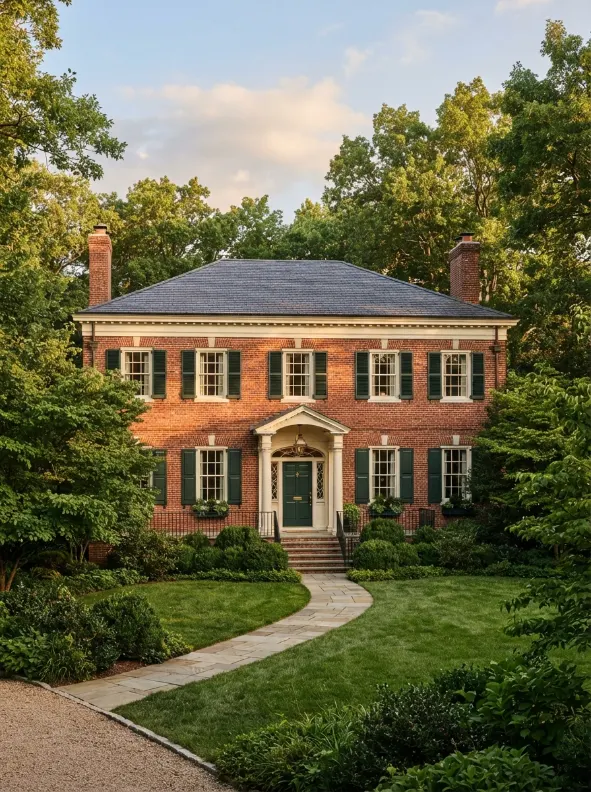
Warm beige is another useful choice among red brick house exterior colors and can create a seamless transition across the facade. Dark brown shutters or a stained wood door add depth without introducing a sharp black contrast. For example, warm beige siding with a dark brown stained-wood door balances orange-toned brick.
9. Creamy White With Aged Bronze
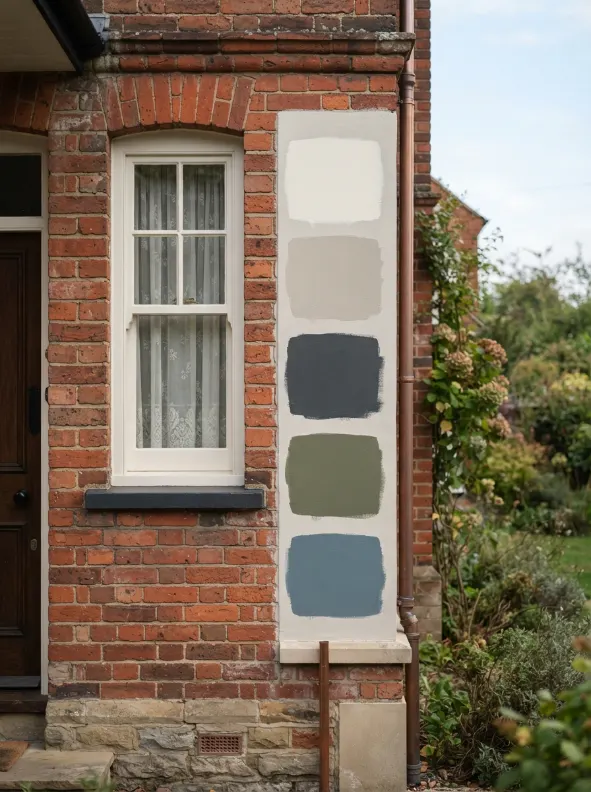
A creamy white is one of the most adaptable red brick house exterior colors because it is softer than stark white and can be especially attractive beside brick with warm undertones. Pair it with aged bronze hardware and lighting for a classic exterior that feels collected rather than overly new. For example, creamy white trim with aged bronze hardware softens pink-toned brick.
10. Dusty Blue With Ivory Trim
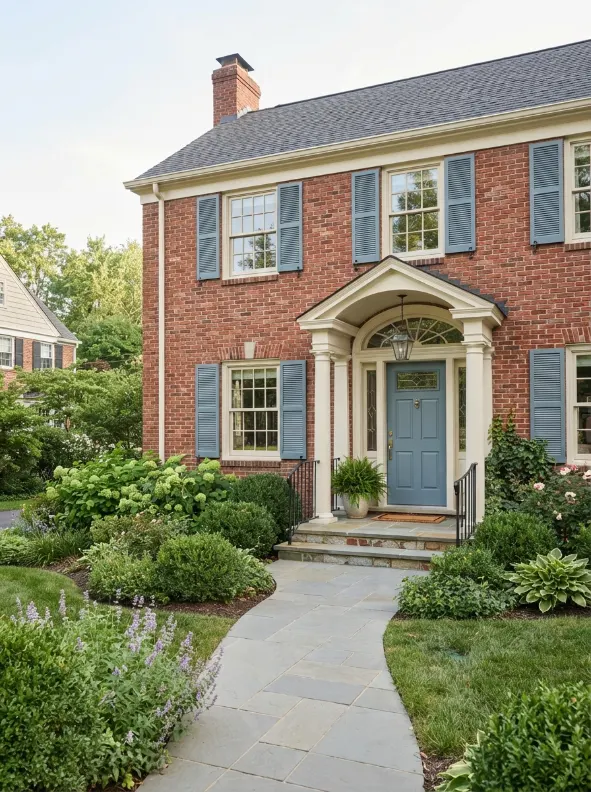
Dusty blue can soften a traditional brick facade while still giving the windows and door a distinct accent. Ivory trim keeps the contrast gentle. This is a useful option when you want a cooler color without making the house look overly modern. For example, dusty blue shutters with ivory trim calm a deep-red brick facade.
11. Warm Gray With Natural Wood
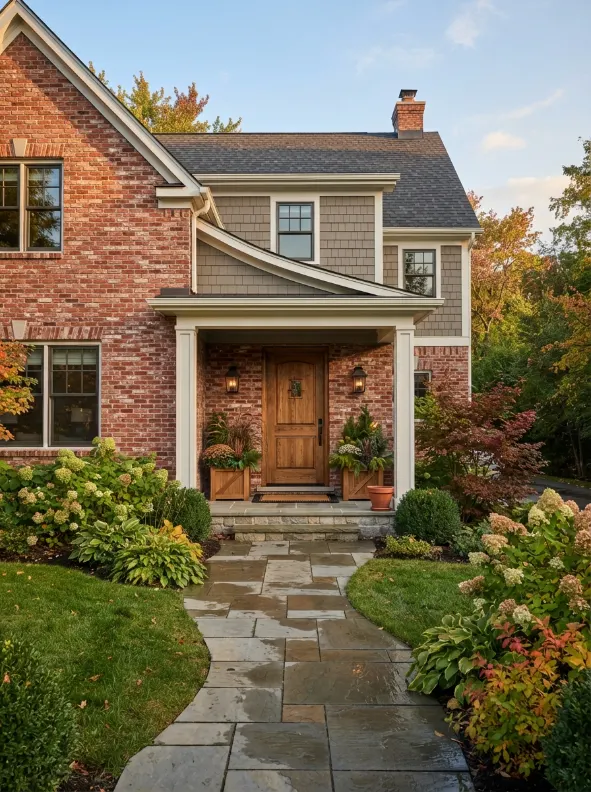
Warm gray can bridge the gap between a brick facade and a neutral roof. A natural wood door adds texture and prevents the palette from feeling flat. Repeat the wood tone in small exterior details for a more intentional finish. For example, warm gray trim with a natural wood door bridges brown-toned brick and a gray roof.
12. Sage Green With Cream Details
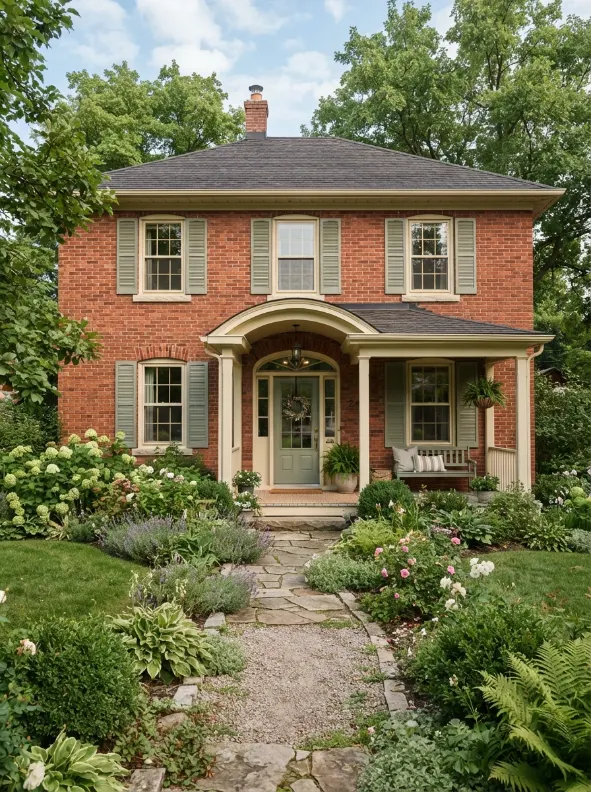
Sage green is quieter than forest green and works well when you want a softer connection to the garden. Cream trim can define the windows while the sage accents echo foliage around the property. For example, sage-green shutters with cream trim look natural on brown-toned brick beside garden planting.
13. Black Door With Warm White Trim
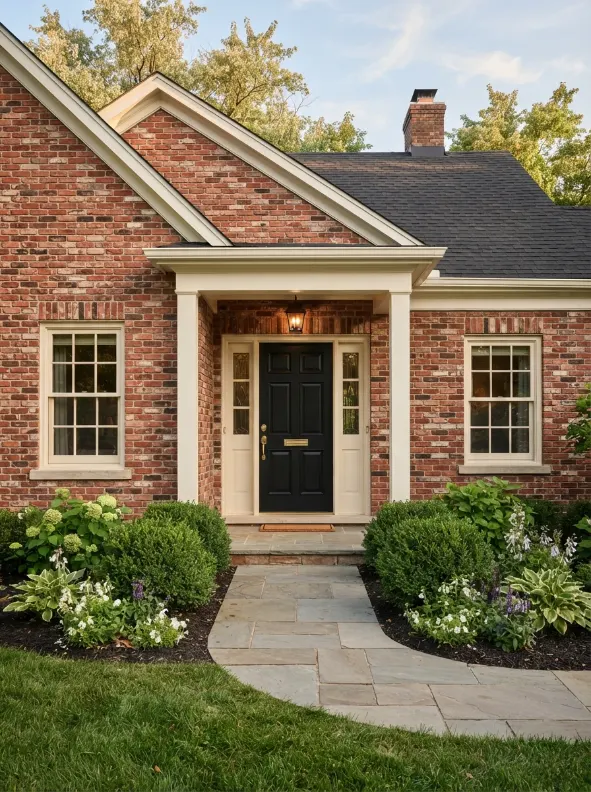
A black front door is a simple way to create a focal point without repainting large areas. Warm white trim keeps the contrast inviting rather than stark. This approach is particularly effective when the brick itself already has plenty of color variation. For example, a black front door with warm-white trim anchors orange-toned brick on a symmetrical facade.
14. Mushroom Taupe and Charcoal
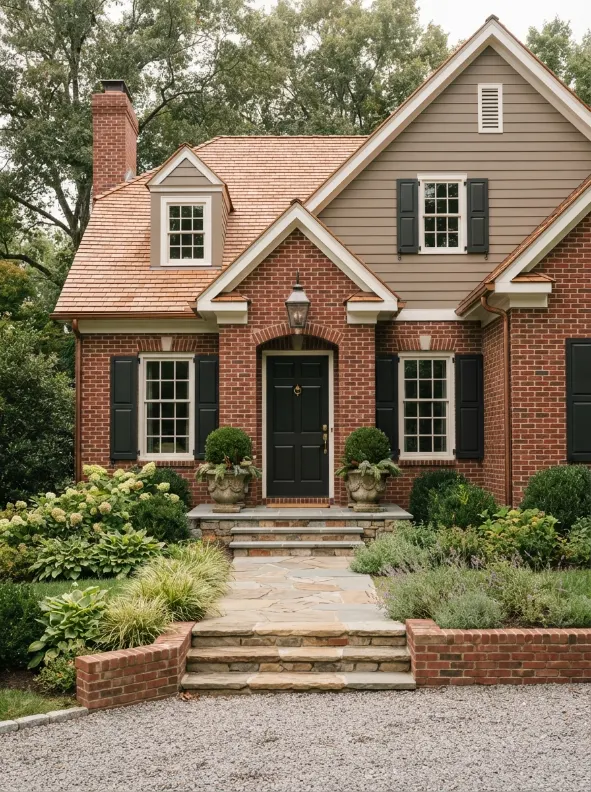
Mushroom taupe brings a soft earthy quality to the exterior, while small charcoal accents add structure. Use taupe on siding or secondary surfaces and keep charcoal limited to the door, shutters, or selected architectural details. For example, mushroom taupe siding with a charcoal door gives russet brick a soft, grounded finish.
15. Deep Green, Cream, and Natural Stone
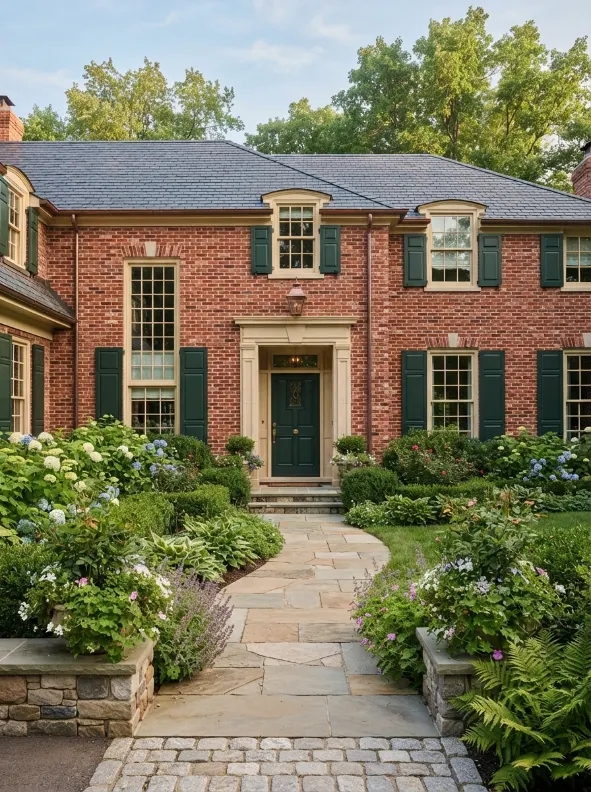
Deep green accents can connect red brick with natural stone pathways, planters, or retaining walls. Cream trim prevents the darker palette from becoming visually dense. This combination is especially cohesive when the landscape already contains varied green foliage. For example, deep green shutters with cream trim and stone steps tie a red brick home to its garden.
Red Brick Exterior Palettes at a Glance
| Palette | Trim and door | Best for |
| Classic white | warm-white trim, black door | colonial and craftsman homes |
| Sage and cream | sage shutters, cream trim | garden-surrounded homes |
| Navy and gray | navy door, soft-gray trim | bold contemporary updates |
| Charcoal and white | charcoal frames, warm-white cornice | modern ranch and mid-century homes |
| Olive and taupe | olive shutters, warm taupe trim | earthy, rustic facades |
How to Choose the Right Trim Color
When narrowing down red brick house exterior colors, start with the largest permanent surfaces first: brick and roof. Then choose trim. Warm orange-red brick often works well with creamy white, warm ivory, beige, or soft taupe. Burgundy or cooler brick can support balanced white, soft gray, charcoal, or muted green.
Trim does not have to be the brightest color on the property. Its job is to clarify architectural lines. If your brick is visually busy, a restrained trim color may create a more sophisticated result than a dramatic contrast. For example, warm-white trim on a busy, varied brick facade keeps the window lines clear without adding glare.
Choose Shutters and Door Colors as Accent Notes
Shutters and the front door are useful places to introduce personality. Black creates crisp contrast, forest green feels traditional, slate blue adds a softer cool note, and natural wood brings warmth.
For smaller homes, one strong accent may be enough. Larger homes can repeat the same accent on shutters, doors, garage doors, or selected trim to create continuity. The goal is repetition, not saturation. For example, a mustard door kept muted with cream trim adds warmth without overpowering red brick, especially under a small front door overhang.
Match the Roof Before Finalizing the Palette
The roof occupies a large visual area, so it should be considered alongside the masonry. Charcoal roofing can support gray, slate, cream, and muted green accents. Brown roofing often pairs comfortably with taupe, beige, olive, and natural wood.
When comparing red brick house exterior colors, place samples near the roofline as well as beside the brick. A shade that works at eye level may look different when seen across the full facade. For example, charcoal roofing with soft-gray trim looks balanced beside deep-red brick from the street.
Coordinate Landscaping and Hardscape
Exterior paint should relate to the garden rather than exist separately from it. Green accents can echo shrubs and trees, while natural wood can connect with planters and fences. Black and white palettes can create a more formal relationship with stone paths and structured planting.
Also consider mulch, paving, stone, outdoor lighting, and fencing. These surfaces can occupy just as much visual space as the paint, especially when viewed from the street. For example, stone paving and olive shutters echoing mature garden planting tie a brown-toned brick home to its yard.
3 Common Mistakes to Avoid
Using Pure White Without Testing It
Bright white can look harsh beside certain cool or highly varied brick. If the contrast feels too strong, compare it with a soft ivory or warm white before committing.
Ignoring the Roof and Surroundings
A paint color should never be selected in isolation. Roof shingles, stone, pathways, landscaping, and existing exterior materials all influence the final result.
Skipping Large Outdoor Paint Tests
Digital mockups and tiny swatches are useful for narrowing choices, but they cannot reproduce every lighting condition. Test generous samples outdoors and view them from several distances.
How to Test Exterior Paint the Right Way
Choose three or four finalists instead of testing dozens at once. Paint large sample areas on a less prominent part of the exterior, keeping each sample close to the brick and mortar. Check them in direct sunlight, cloud cover, and evening light.
Stand 10 to 15 feet away and view the samples from the street. Also look at them next to the roof, windows, landscaping, and hardscape. If a color only looks attractive up close, it may not be the right choice for the entire facade. For example, a warm-white trim sample checked in morning and evening light reveals whether it stays soft against orange-toned brick.
FAQs
What colors look best with a red brick house?
Popular red brick house exterior colors include warm white, cream, greige, charcoal, olive green, slate blue, forest green, taupe, and natural wood tones. The right red brick house exterior colors choice depends on the brick undertone, roof, and landscape.
Should trim be lighter or darker than red brick?
Either approach can work. Lighter trim emphasizes architectural details, while darker trim creates a more dramatic and grounded effect. Always test the relationship against the actual masonry.
Is gray a good choice for a red brick exterior?
Yes. Soft gray, warm gray, greige, and charcoal can all work when their undertones complement the brick and roof.
What is the safest way to choose exterior paint?
Test large samples outdoors beside the real brick and mortar. Review them at different times of day and from the street before purchasing the full amount of paint.
What front door color suits a red brick house?
Black, navy, and muted mustard doors all suit red brick, because a strong door color gives the facade a focal point without competing with the brick. Test the door color beside the brick in daylight, and keep the trim calm so the door stands out.
Final Thoughts
The most successful exterior palettes do not try to hide the character of brick. They use trim, shutters, doors, siding, lighting, and landscaping to support it. Whether your preference is crisp contrast, quiet neutrals, earthy green, slate blue, or a darker traditional palette, the process remains the same: study the permanent materials, test real samples outdoors, and judge the whole property together.
With careful testing, red brick house exterior colors can make a home feel brighter, more cohesive, and more architecturally intentional while preserving the timeless appeal of the masonry.