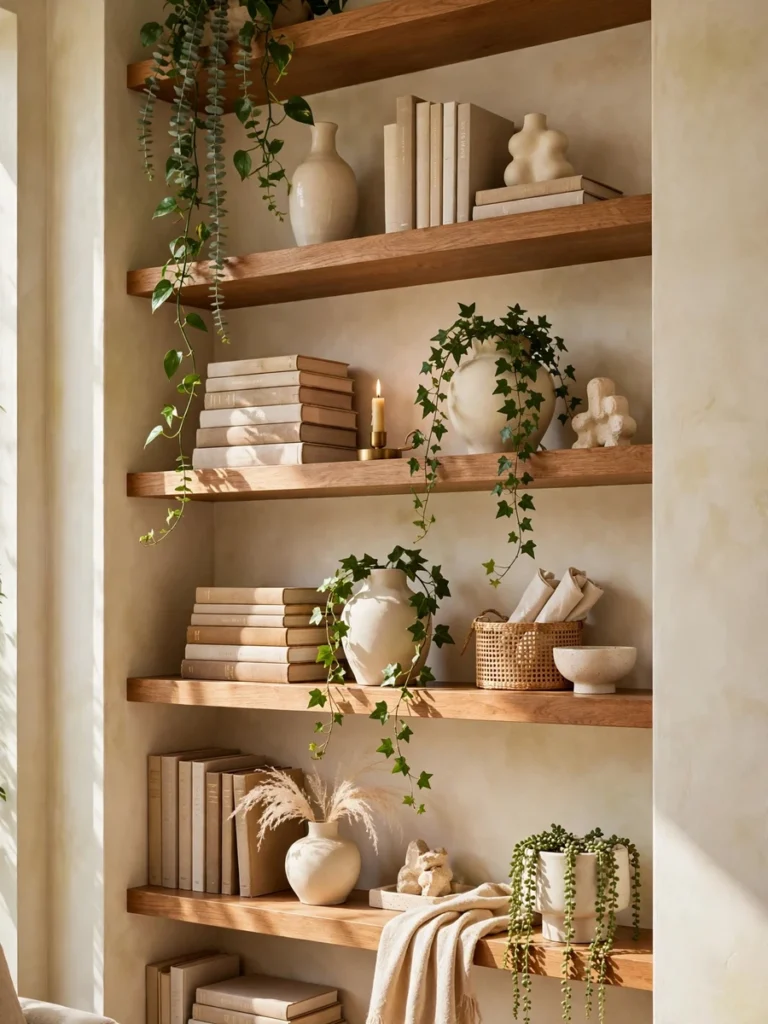
Moody Living Room Ideas: Contrast Control and Warm Lighting
A moody living room can feel rich, restful, and inviting without turning the space into a dark box. The difference comes from how you balance color, light, texture, furniture, and contrast. Instead of making every surface dramatic, choose a few elements that create depth and let warmer, quieter pieces keep the room comfortable.
These moody living room ideas focus on practical ways to create that evening-like atmosphere while keeping the room useful for everyday life. You will see how deep wall colors, layered lighting, warm wood, soft upholstery, greenery, and carefully controlled contrast can work together without making the design feel heavy. If you want the mood with a touch of magic, our whimsigoth living room aesthetic guide layers the same contrast tricks with enchanted details.
Start With a Dark Color That Still Feels Livable
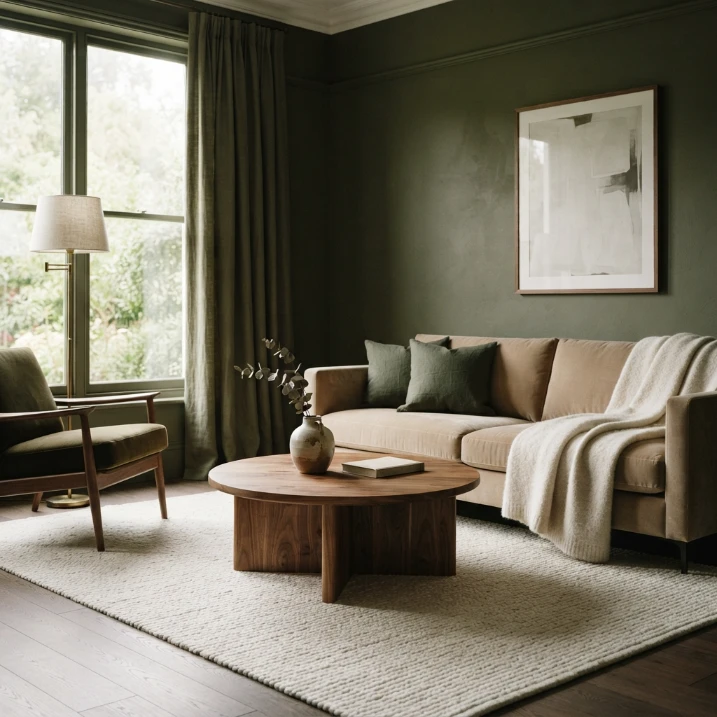
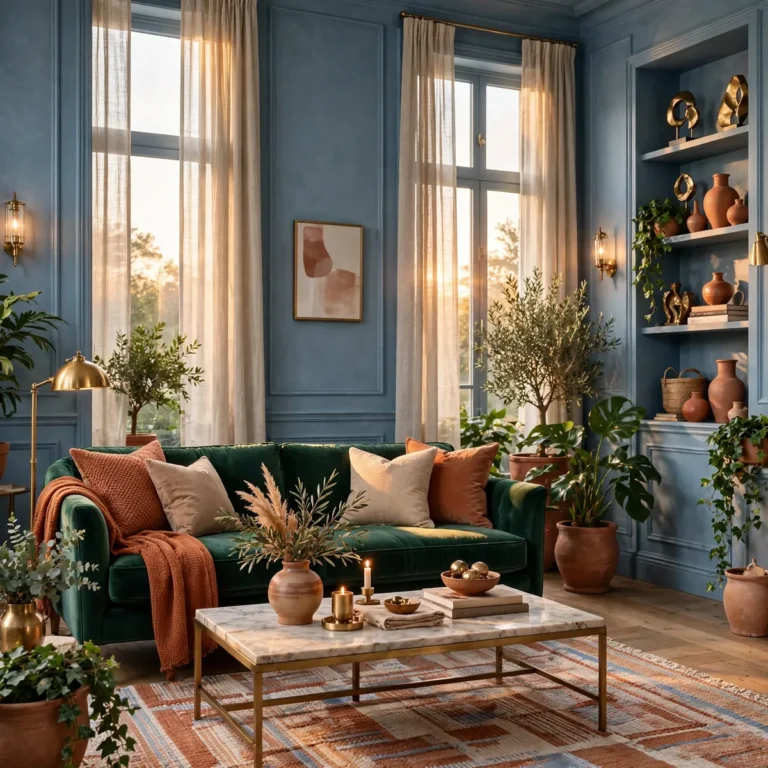
Begin with the largest visual surface in the room: the walls. Charcoal, olive, forest green, smoky blue, deep taupe, and warm brown can all create a moody foundation. The best choice depends on natural light and the existing finishes in your home.
If the living room receives limited daylight, avoid choosing the darkest possible paint simply because it looks dramatic online. A softened green or warm charcoal can give you the same depth while reflecting enough light to keep the room welcoming. In a bright room, richer navy or chocolate brown can work beautifully.
Build the Room Around One Deep Anchor
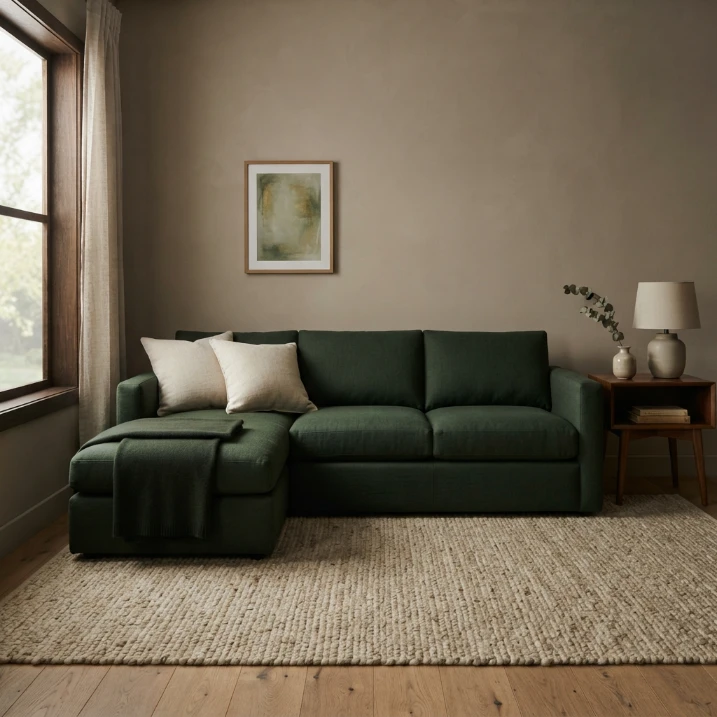
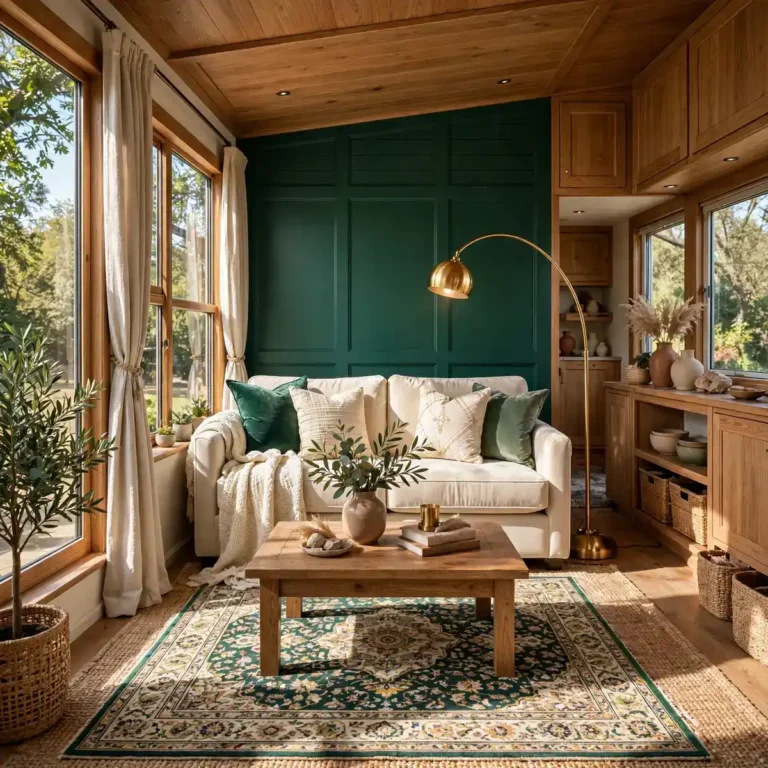
A moody palette becomes easier to control when one element acts as the visual anchor. That could be a deep green sofa, a charcoal built-in, a dark wood media wall, or an oversized area rug. Let that anchor establish the emotional tone before adding smaller decorative pieces.
Keep nearby colors related rather than introducing several unrelated shades. For example, an olive sofa can sit with walnut furniture, aged brass, cream upholstery, and muted brown textiles. The result feels layered because the colors belong to the same visual family.
Use Warm Lighting Instead of Fighting the Shadows
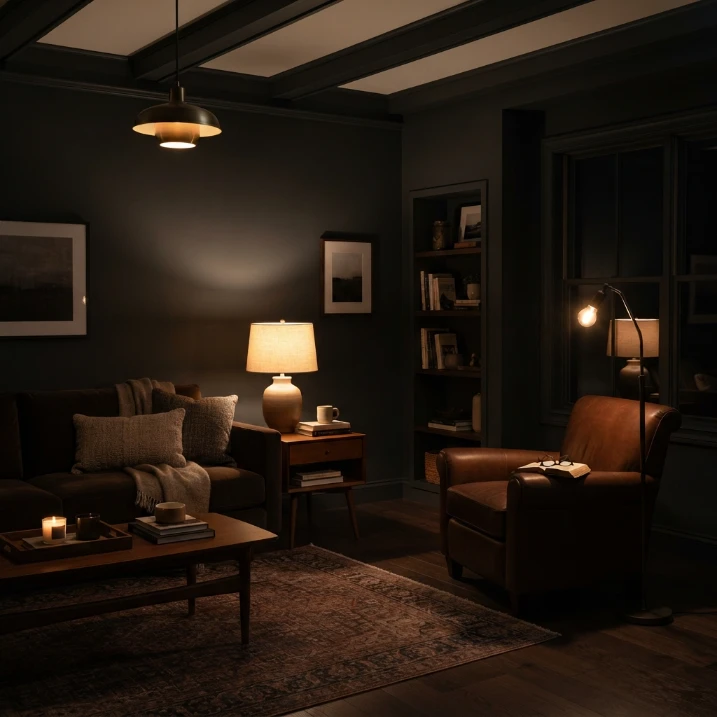
Lighting is one of the most important parts of a successful moody living room. A single bright ceiling fixture can flatten the atmosphere and make dark walls look harsher. Instead, create several small pools of light at different heights.
Place a table lamp beside the sofa, a floor lamp near a reading chair, and a small accent light on a console or shelf. Warm bulbs help wood, leather, velvet, and woven fabrics look richer. If you use overhead lighting, choose a fixture that can be dimmed so the room can shift from daytime brightness to a softer evening setting.
Layer Texture When the Color Palette Is Dark
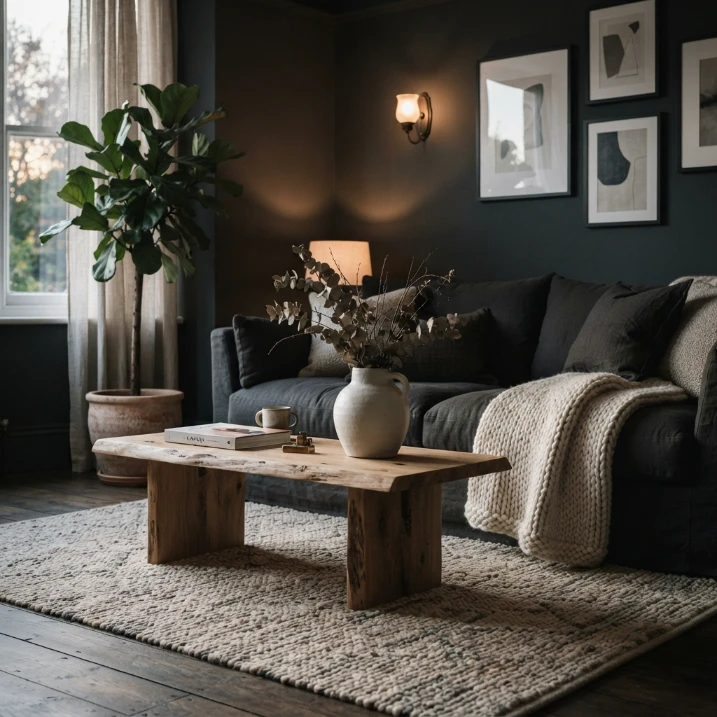
Dark colors can make a room feel flat if every material has the same finish. Texture solves that problem without requiring more color. Combine a linen sofa with a chunky throw, a wool or patterned rug, matte ceramic pieces, natural wood, and a softly finished metal.
Think about texture from floor to ceiling. A woven rug grounds the seating area, upholstered furniture adds softness, curtains filter the windows, and tactile artwork gives the walls another layer. This approach creates visual interest while keeping the palette controlled.
Pair Deep Walls With Warm Wood
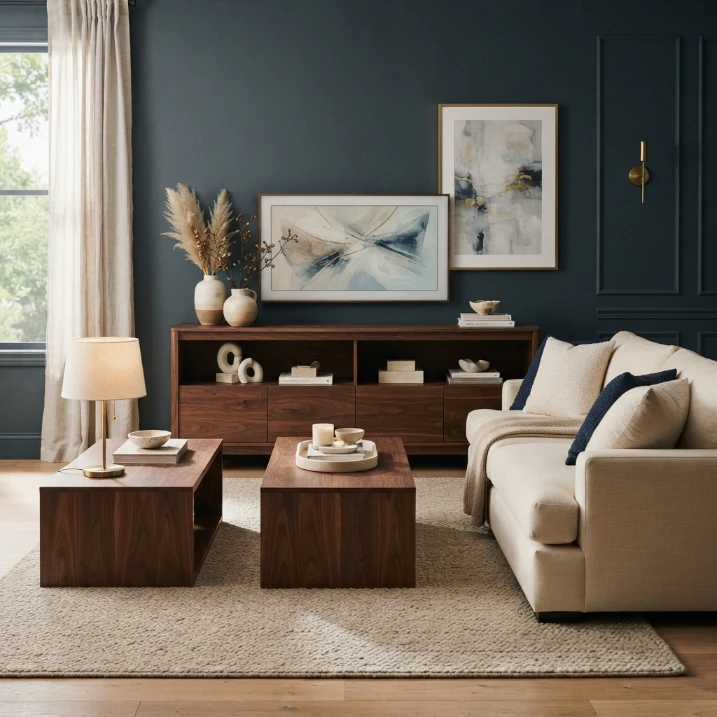
Warm wood is especially useful when dark paint begins to feel too serious. Walnut, oak with warm undertones, reclaimed timber, and medium brown finishes bring natural variation into the palette. A wooden coffee table or media console can soften a deep wall without making the room look rustic.
Try repeating the same wood tone in two or three places rather than scattering several unrelated finishes around the room. A walnut coffee table, a small side table, and a picture frame can create enough repetition to make the space feel connected.
Let Leather and Soft Fabrics Create Contrast
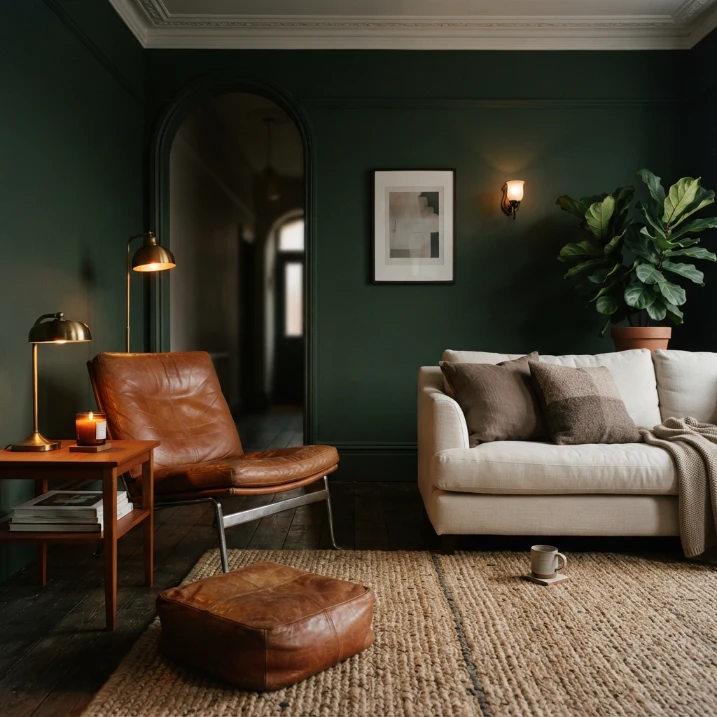
Contrast does not have to mean black against white. In a moody room, material contrast is often more successful. A cognac leather chair can add warmth against green walls, while velvet cushions or brushed cotton throws keep the seating area soft.
Choose fabrics that invite touch rather than relying on glossy finishes. Matte and slightly weathered materials absorb light in a gentle way, helping the room feel settled. If you already have a leather sofa, balance it with woven cushions, a soft rug, and curtains with visible texture.
Create a Cozy Reading Corner With Its Own Glow
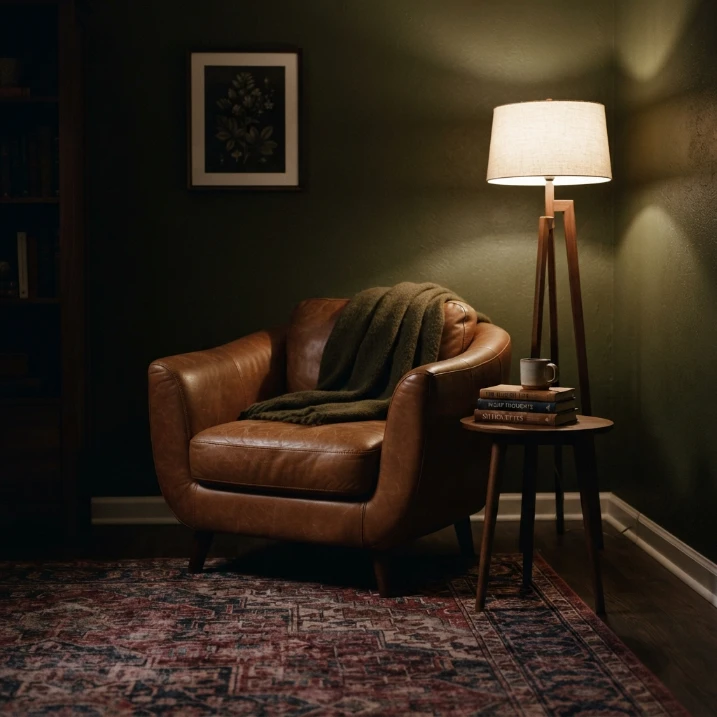
A small functional zone can make a moody living room feel much more intentional. Set a comfortable chair beside a floor lamp, add a small side table, and keep a basket for books or blankets nearby. The arrangement gives the room a purpose beyond simply looking atmospheric.
Keep the lighting focused on the chair rather than illuminating the entire room. That contrast between a softly lit reading spot and darker surrounding areas adds depth while still supporting an everyday activity. For a lighter take on layered comfort, our cozy cottagecore living room rules show how the same layering works in brighter palettes.
Bring in Greenery to Break Up the Darkness
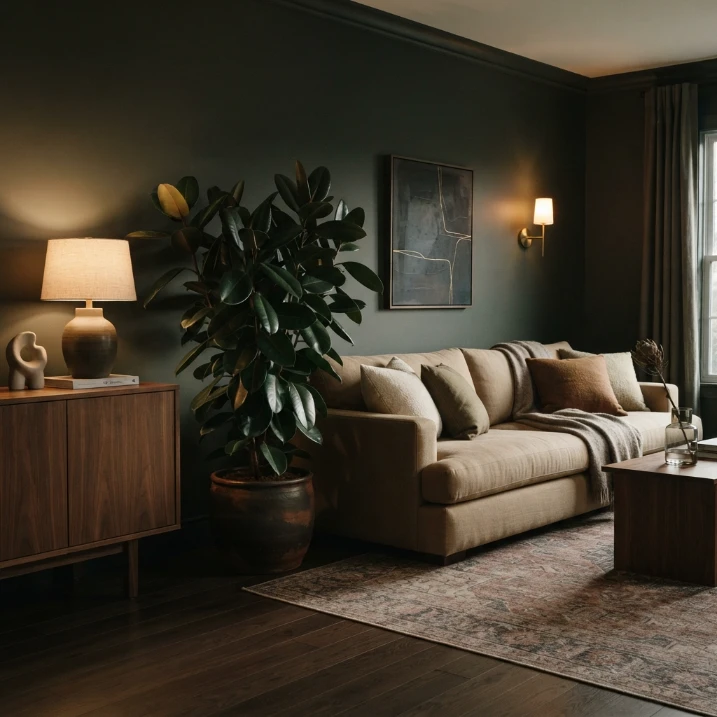
Plants can make dark interiors feel fresher without disrupting the mood. Choose one substantial plant in an empty corner or use a few restrained plants on shelves and side tables. Olive trees, rubber plants, palms, and trailing varieties can work well when the room receives enough natural light.
Use planters that support the palette, such as aged ceramic, terracotta, stone, or dark metal. Avoid adding greenery to every available surface. One strong plant can create more visual impact than a collection of tiny pots.
Use Artwork to Add Controlled Contrast
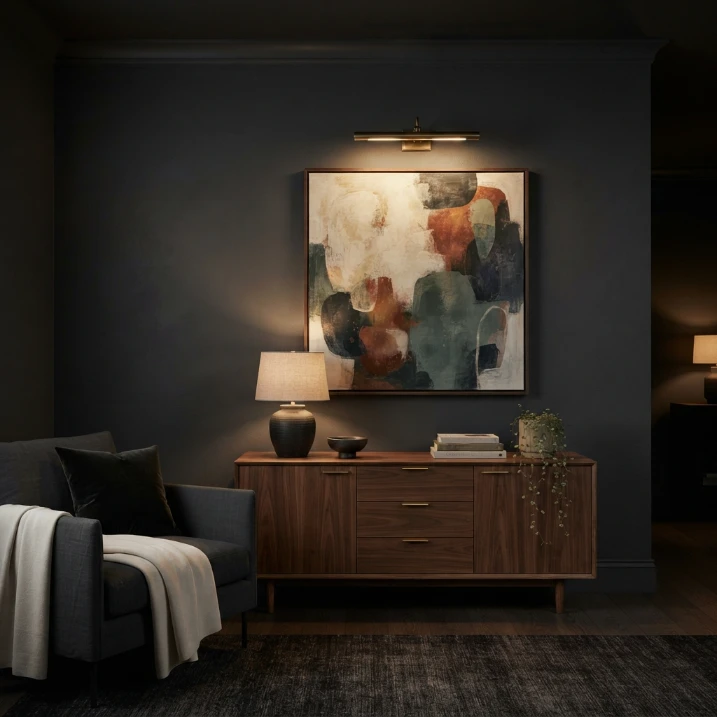
Artwork can introduce a lighter note without breaking the moody palette. Look for pieces with cream, muted gold, dusty blue, rust, or soft green rather than extremely bright white backgrounds. A large piece can become a focal point, while a small gallery wall works when the frames and colors repeat.
Hang artwork where it can catch the glow from a nearby lamp or picture light. This makes the wall feel layered after sunset and avoids the need for excessive decorative objects.
Make the Fireplace or Media Wall the Evening Focal Point
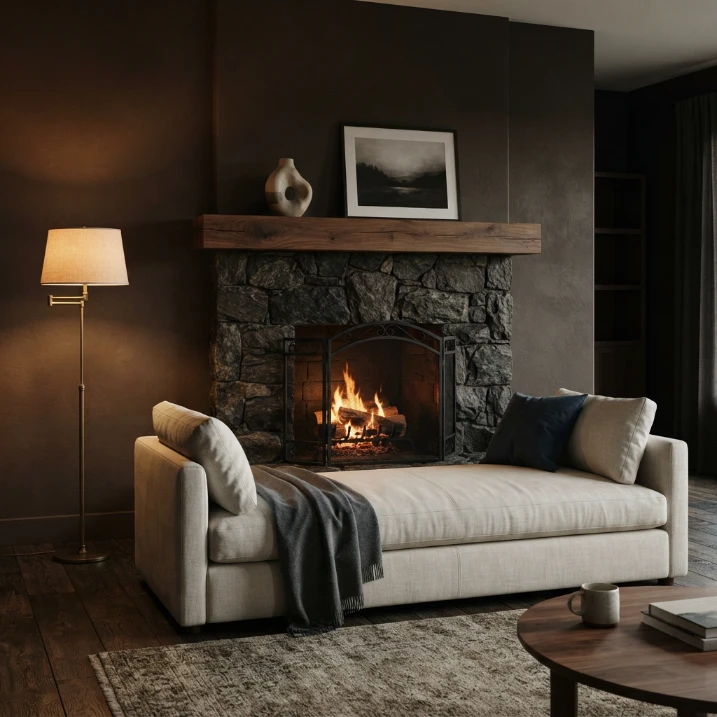
If your living room has a fireplace, use it as the natural center of the mood. A deep painted surround, warm stone, dark brick, or walnut mantel can give the room architectural weight. Keep the styling above it simple enough that the focal point remains clear.
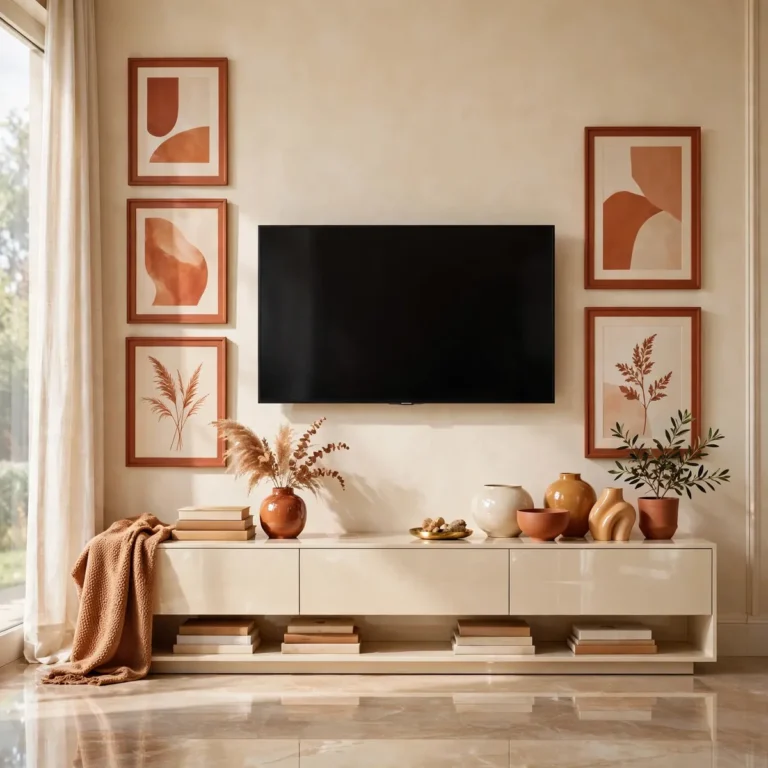
Without a fireplace, a media wall or console can perform the same role. Combine a dark backdrop with warm wood, understated artwork, and low-level lighting. The goal is a calm visual center rather than a wall packed with accessories.
Soften a High Ceiling With Low, Warm Layers
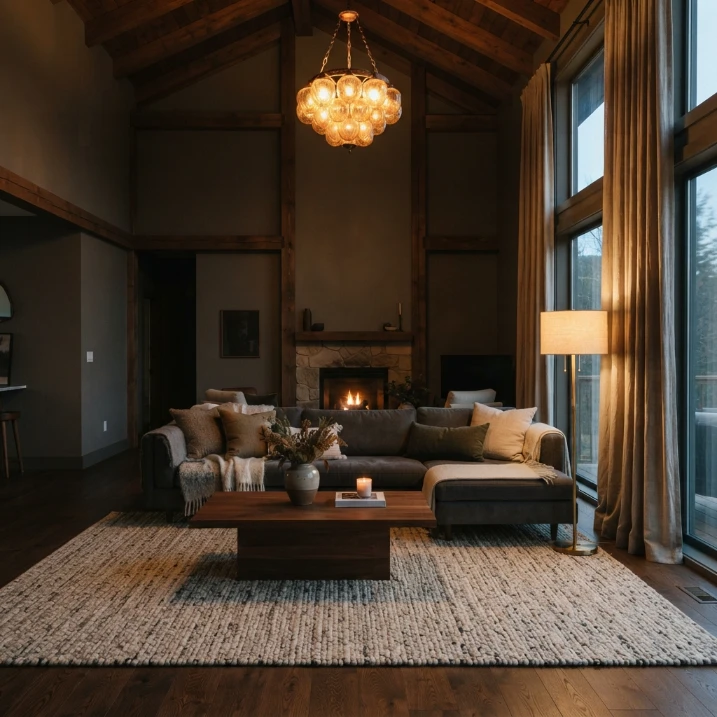
Large or high-ceilinged living rooms can lose some of their coziness because the upper volume feels disconnected from the seating. Ground the space with a substantial rug, a generous sofa, low tables, and curtains that extend close to the ceiling.
A pendant or chandelier with warm, dimmable light can connect the upper and lower parts of the room. Add lamps around the seating area so the room still feels intimate when the main fixture is turned down.
Keep Contrast Soft So the Room Still Feels Calm
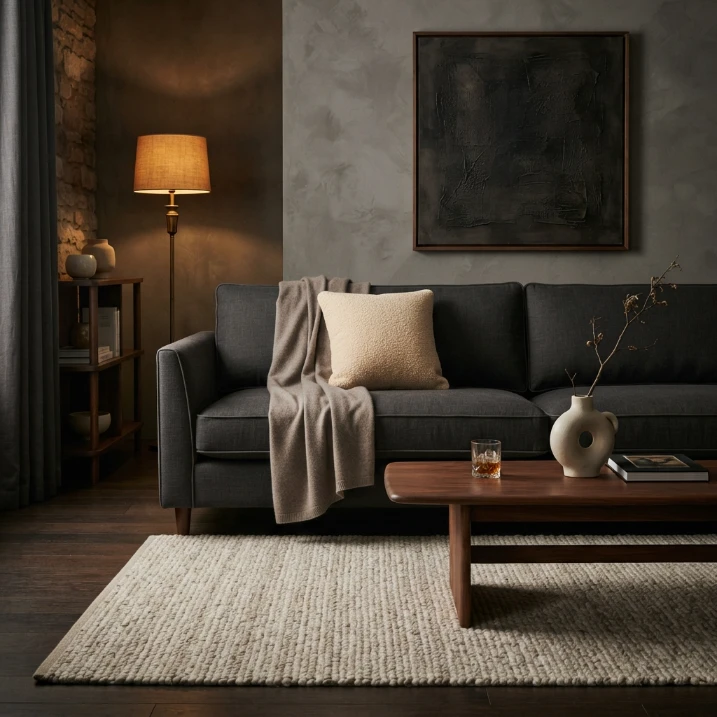
The strongest moody living room ideas are rarely built around extreme contrast. Instead, they use small shifts between related tones. Charcoal can meet smoky gray, olive can meet moss, brown can meet camel, and navy can meet dusty blue.
Use your brightest contrast only where you want attention. A cream cushion, brass lamp, pale artwork, or lighter rug can guide the eye. Keeping most of the room within a close tonal range makes these smaller highlights feel intentional.
Design for Comfort Before Adding More Decor
A beautiful moody room still needs to work on an ordinary evening. Make sure the sofa is genuinely comfortable, tables are easy to reach, pathways remain open, and lamps provide enough light for reading or conversation. Decorative decisions should support those everyday needs.
If you are building the room gradually, start with the sofa, rug, main lighting, and one large anchor piece. Add artwork, plants, cushions, and smaller accessories afterward. This keeps the design edited and prevents the dark palette from becoming visually crowded.
Final Thoughts
A moody living room does not need to be almost black or filled with dramatic furniture. The most successful spaces control contrast, use warm light, repeat a few rich materials, and leave enough breathing room for the eye. Start with one deep color, build texture around it, and add lighting at several levels.
When the palette, lighting, furniture, and textures work together, the room can feel sophisticated during the day and especially inviting after sunset. That balance is what turns a dark decorating scheme into a comfortable living space.