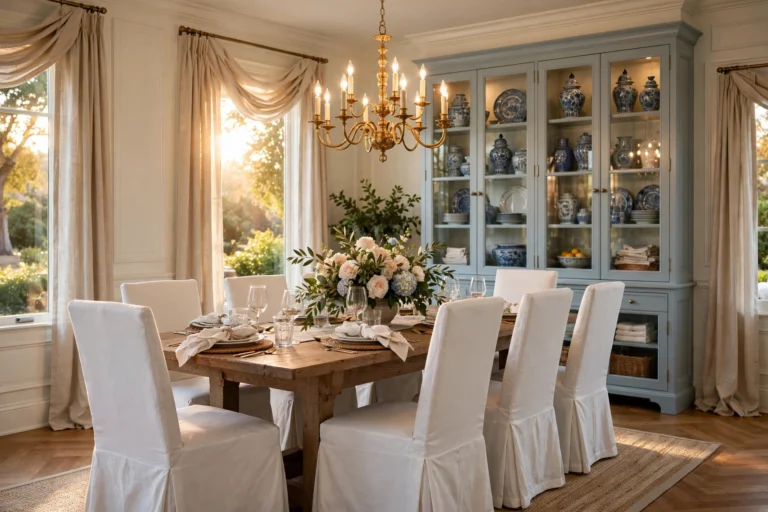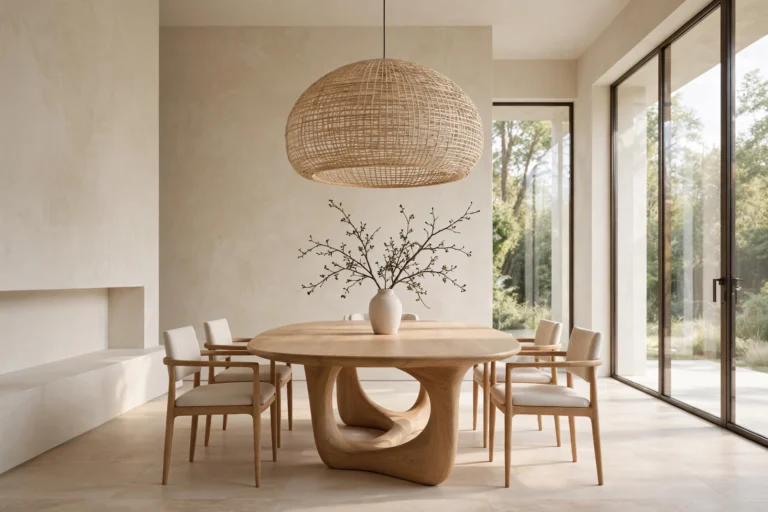
25 Brilliant Small Dining Room Ideas That Feel Twice the Size ♥ [Tiny-Space Triumphs]
A small dining room is any dining space of roughly 120 square feet or less — often just a corner of an open-plan living area rather than a separate room. The fastest way to make it feel bigger is to cut visual weight: choose leggy, transparent, or wall-hugging furniture, keep the palette light, and give every piece more than one job.
Here is the truth most decorating advice skips: a small dining room does not need less style, it needs smarter decisions. The 25 ideas below focus on furniture that disappears visually, seating that hugs the walls, lighting that carves a “room” out of thin air, and storage that climbs instead of crowding. Whether yours is a city-apartment corner or a narrow galley off the kitchen, these tricks will help it seat everyone comfortably without ever feeling cramped. Pick three or four ideas and watch the whole space start to breathe.
Ready? Let’s make your small dining room feel twice its size.
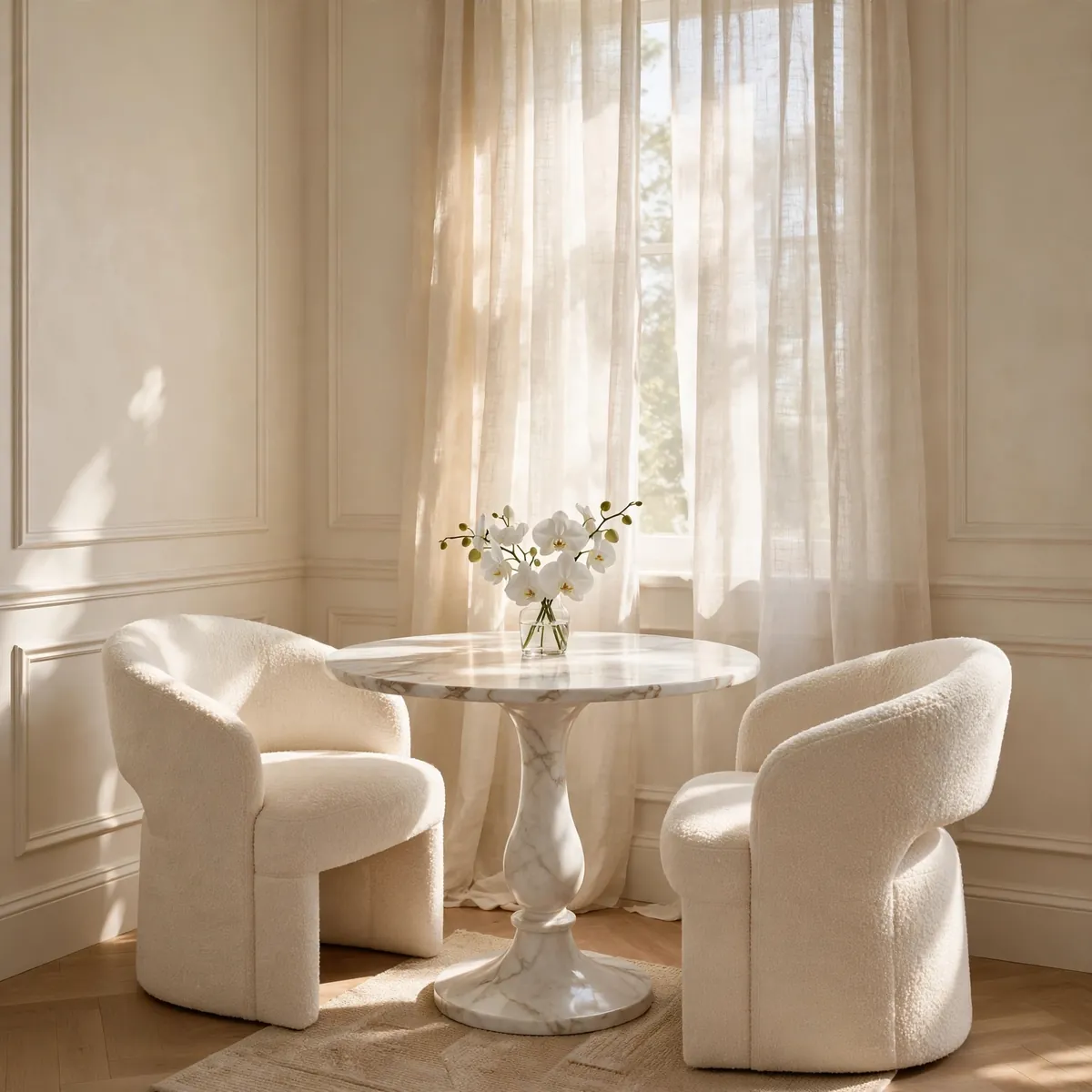
1. Choose a Round Pedestal Table
A round pedestal table is the hardest-working shape for tight quarters: no corners to bump, no legs hogging knee space, and it squeezes in an extra chair for guests. In a small dining room, a 36- to 42-inch round seats four daily, six in a pinch.
Quick tips
- Keep 36 inches of clearance around the table for chairs to pull out.
- A pedestal base beats four legs — knees stay happy.
2. Try a Drop-Leaf Table That Grows With You
A drop-leaf table lives slim against the wall daily and unfolds for dinner parties — console by day, six-seater by night. Choose self-storing leaves so nothing ends up leaning in a closet.
Quick tips
- Measure the folded depth — under 18 inches is ideal for walkways.
- Lock the leaves with sturdy hinges; wobble ruins the illusion.
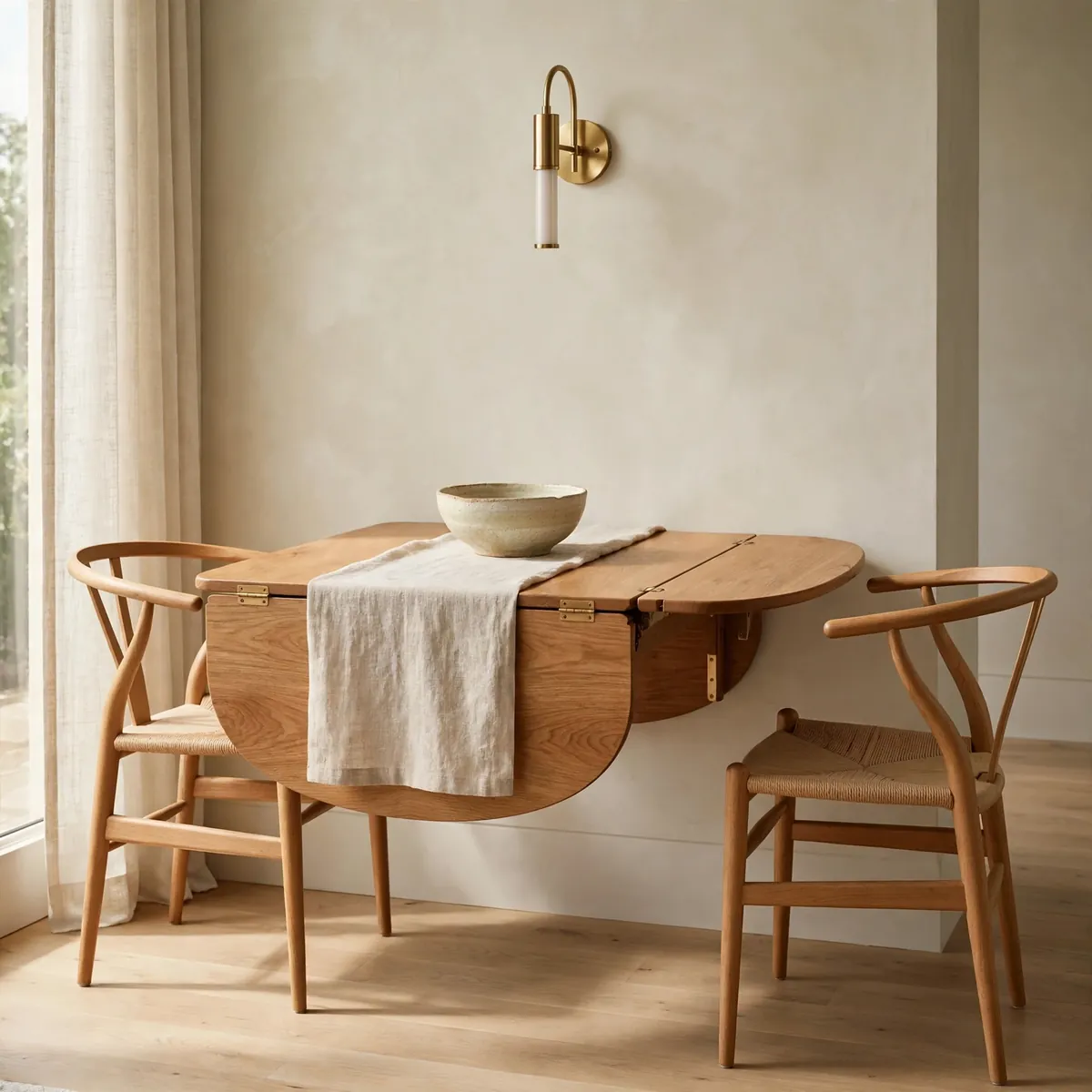
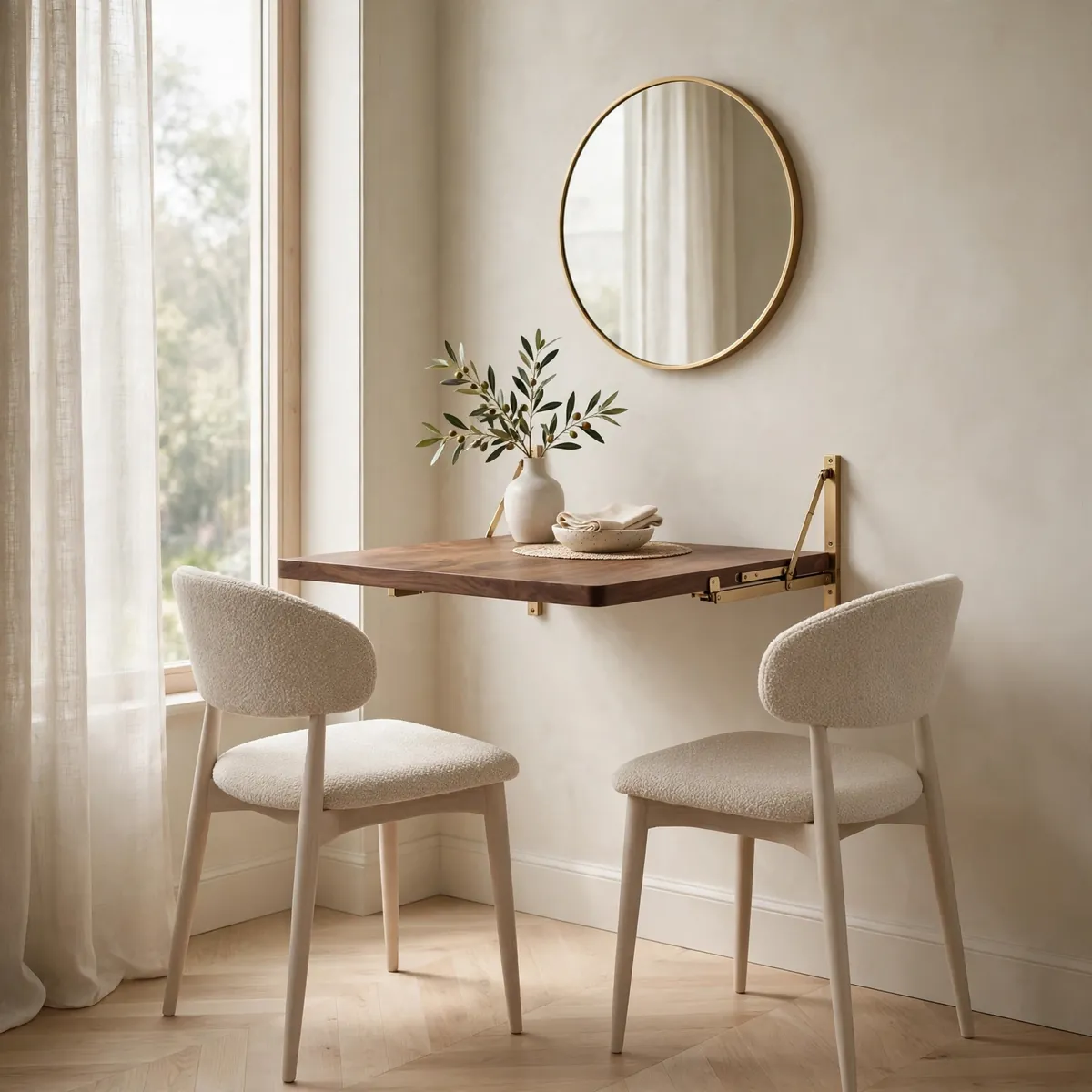
3. Mount a Fold-Down Wall Table
For the tiniest small dining room layouts, a wall-mounted drop-down table vanishes entirely between meals. Folded up it reads as a slim console; folded down it becomes a genuine two-person dining spot.
Quick tips
- Anchor it into studs — a loaded table is heavier than it looks.
- Pair with lightweight chairs you can hang on wall hooks.
4. Build a Banquette Along the Wall
Banquette seating pushes diners against the wall instead of into the room, reclaiming up to two feet of floor. A bench with a deep cushion, washable slipcover, and storage inside the base is the ultimate triple-duty piece.
Quick tips
- Seat height 18 inches, depth 20–22 inches for real comfort.
- Add storage inside the bench for linens and board games.

5. Tuck Into a Corner Bench Nook
Two walls are better than one: an L-shaped corner bench turns dead corner space into the coziest seat in the house. For more inspiration on turning awkward corners into dining spots, browse our dining nook ideas — many of the same space-stretching tricks apply.
Quick tips
- A corner setup seats four where a table plus chairs seats two.
- Round the table edge facing the bench for easy slide-in.

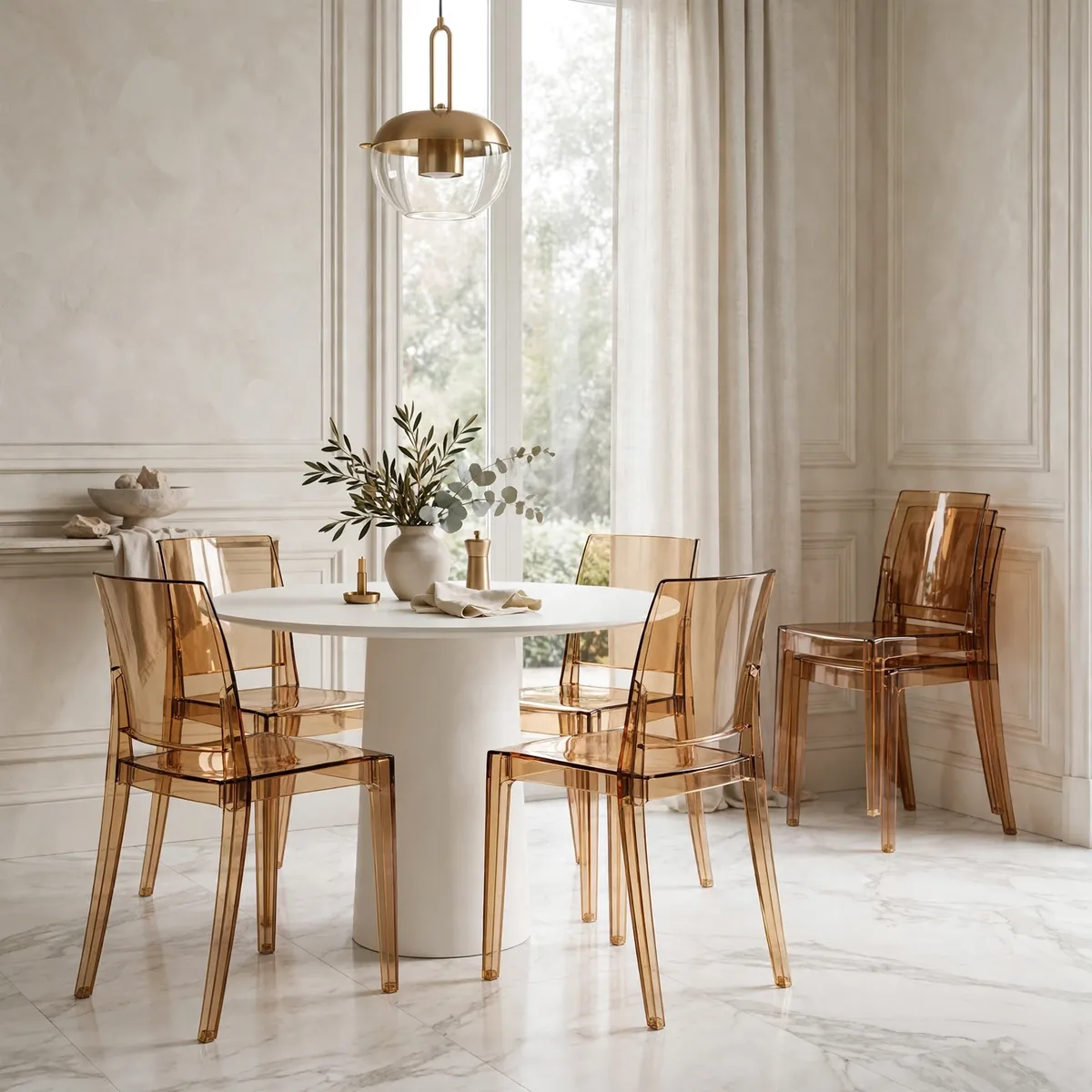
6. Go Ghost: Pick Transparent Chairs
Acrylic “ghost” chairs are practically invisible, so the eye reads straight through them. In a small dining room, swapping four solid chairs for transparent ones can visually double the open floor.
Quick tips
- Smoked or amber tints hide scratches better than crystal-clear.
- Keep a microfiber cloth handy; fingerprints show.

7. Keep It Intimate With a Bistro Set
A 24-inch café table with two bistro chairs is all a couple needs — and it leaves the rest of the room open. Bistro sets bring instant European charm, so smallness reads as intentional, not compromised.
Quick tips
- Marble or cast-iron tops add weight and luxury at small scale.
- Tuck the set near a window for a built-in view.

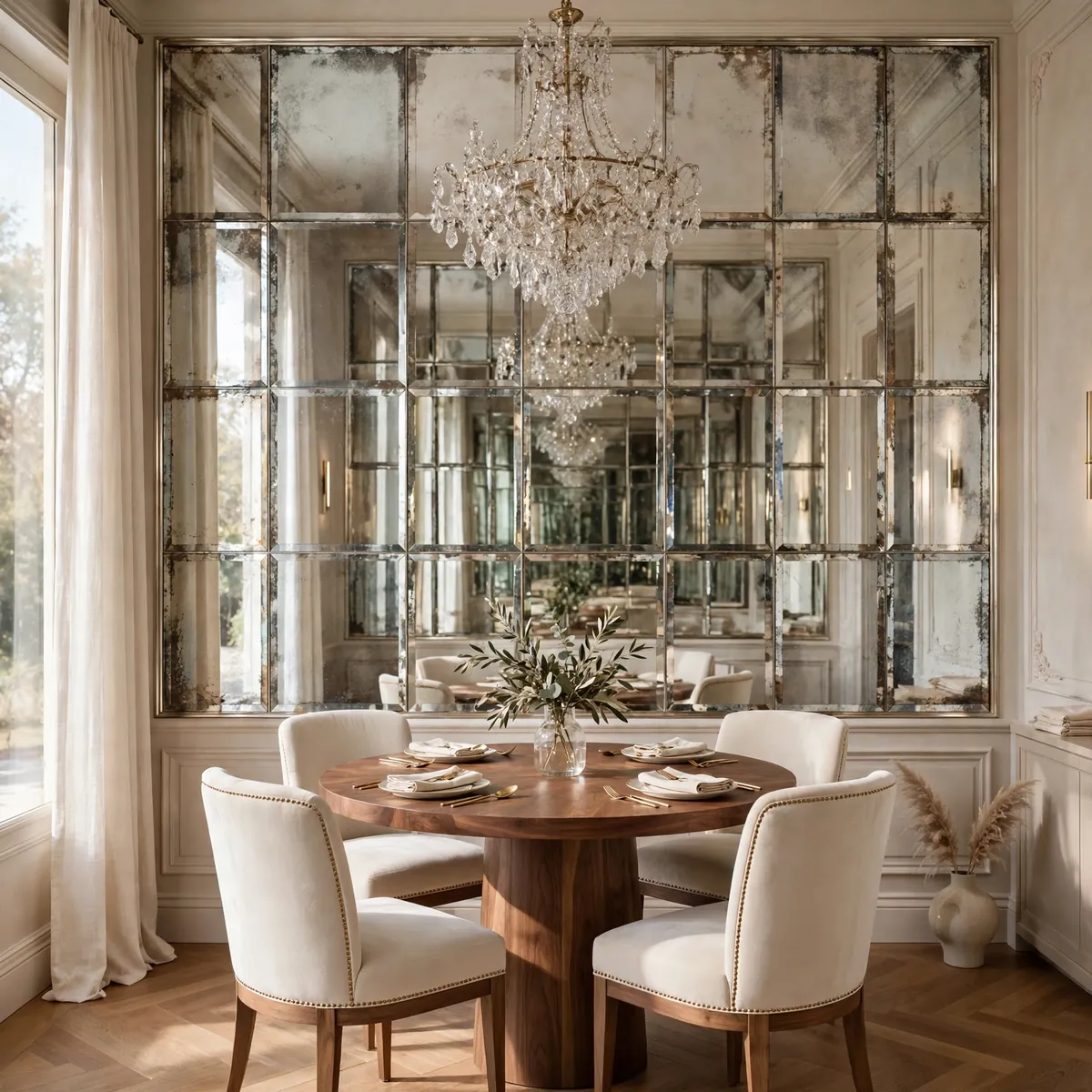
8. Mirror Magic: Make a Small Dining Room Look Twice as Big
One large mirror — or a full mirrored wall — bounces light and visually doubles your square footage. Position it to reflect a window, never the clutter. Antiqued mirror adds glamour while softening reflections.
Quick tips
- Hang the mirror opposite a window for maximum light bounce.
- One oversized mirror beats a gallery of small ones.
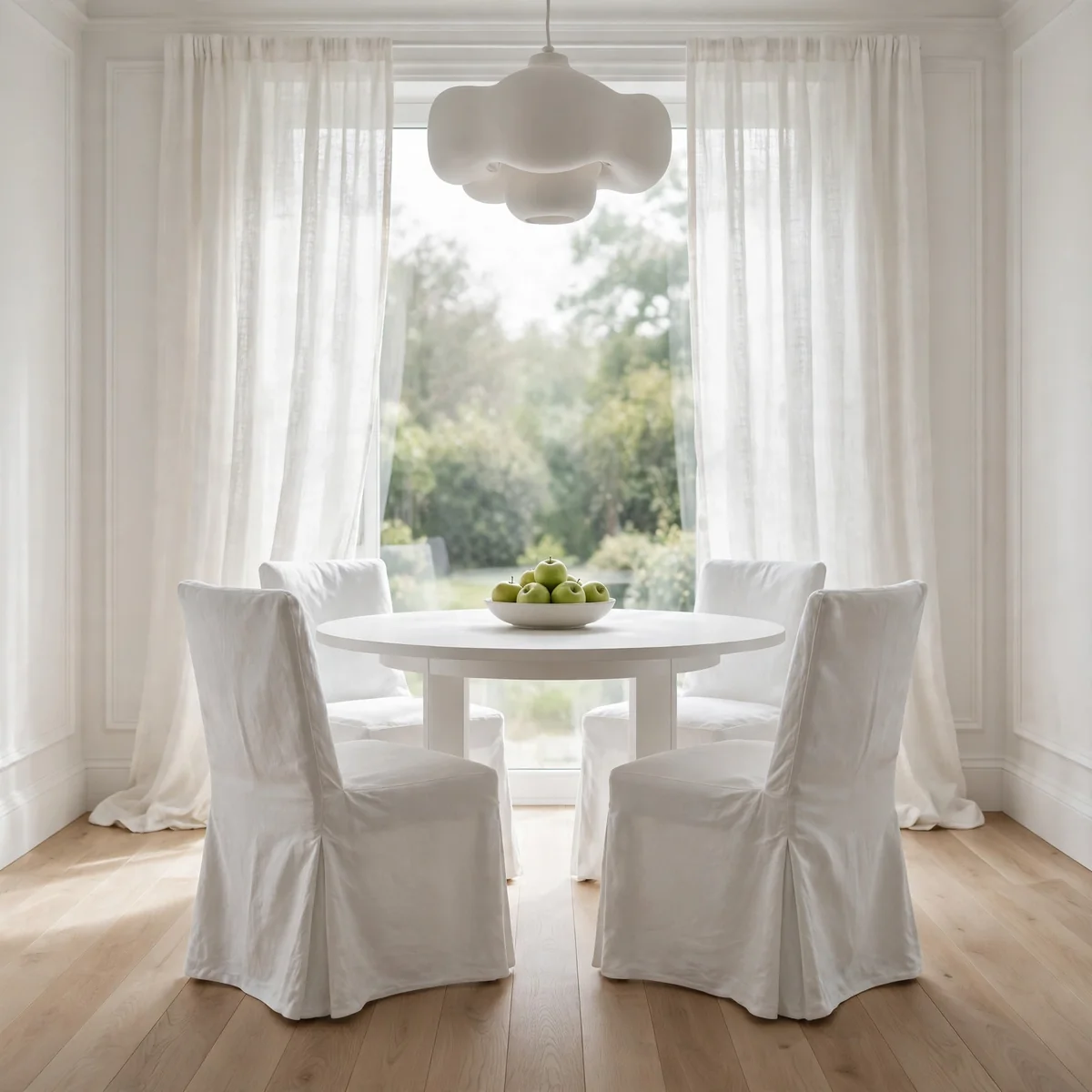
9. Commit to a Light, Airy Palette
Pale walls, light floors, and tonal furniture blur boundaries so the eye can’t find where the room ends. Then add one small saturated accent — a bowl of fruit — so it feels designed, not washed out.
Quick tips
- Paint walls and trim the same color to erase visual stops.
- One accent color, repeated three times, keeps it cohesive.
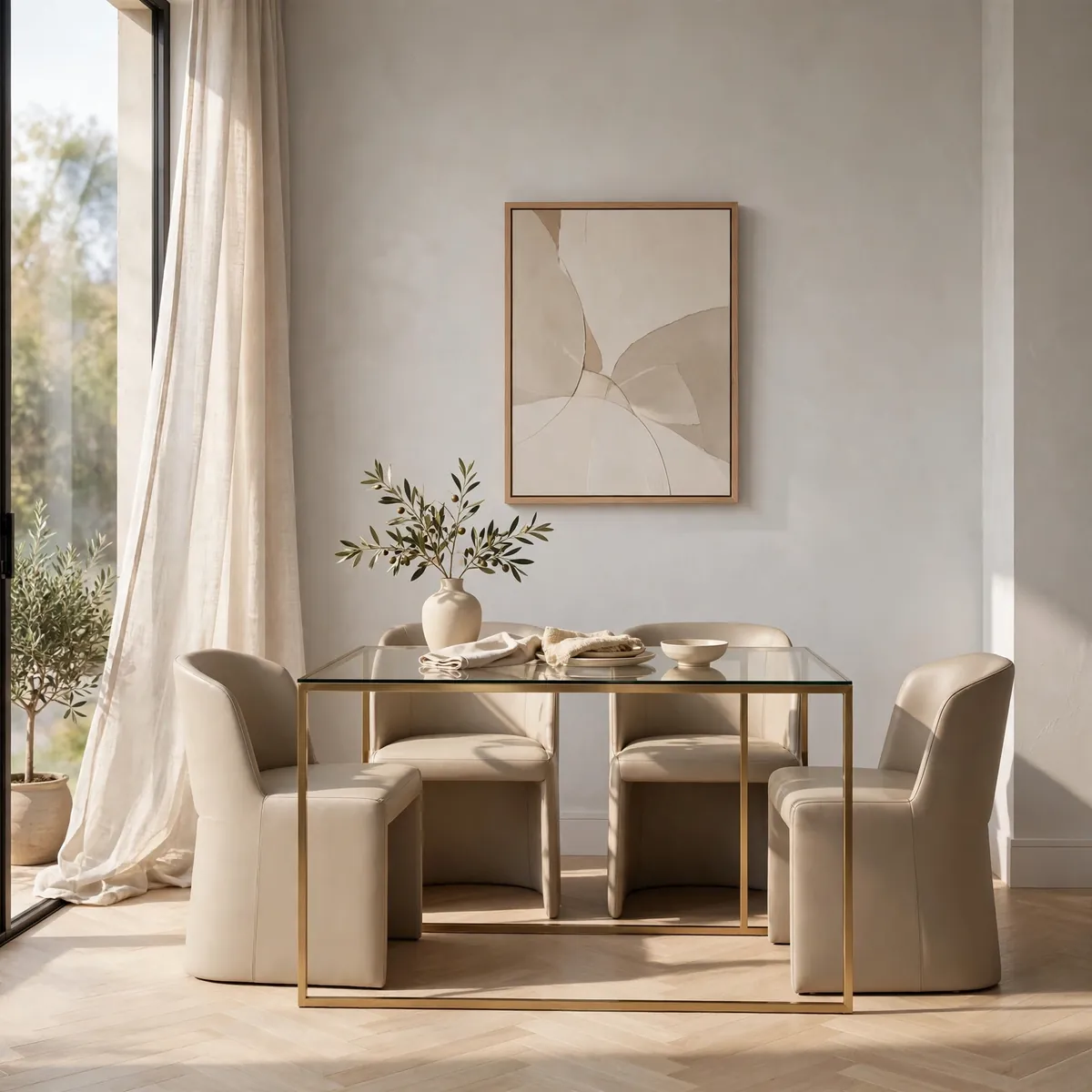
10. Let Light Through a Glass-Top Table
A glass top gives you a full-size dining surface with almost zero visual mass — light passes straight through, so the table reads as barely there. Pair it with a slim, quiet base.
Quick tips
- Tempered glass, at least 10mm thick, for safety and solidity.
- Use placemats — every fingerprint shows on glass.
11. Hang One Statement Pendant Low
A single oversized pendant hung 30–34 inches above the table draws the eye down and inward, creating an intimate “room within a room” that zones the dining area without a single wall. A dimmer lets your small dining room shift from breakfast bright to dinner moody.
Quick tips
- Size the pendant to about one-half the table’s diameter.
- Always put dining pendants on a dimmer switch.

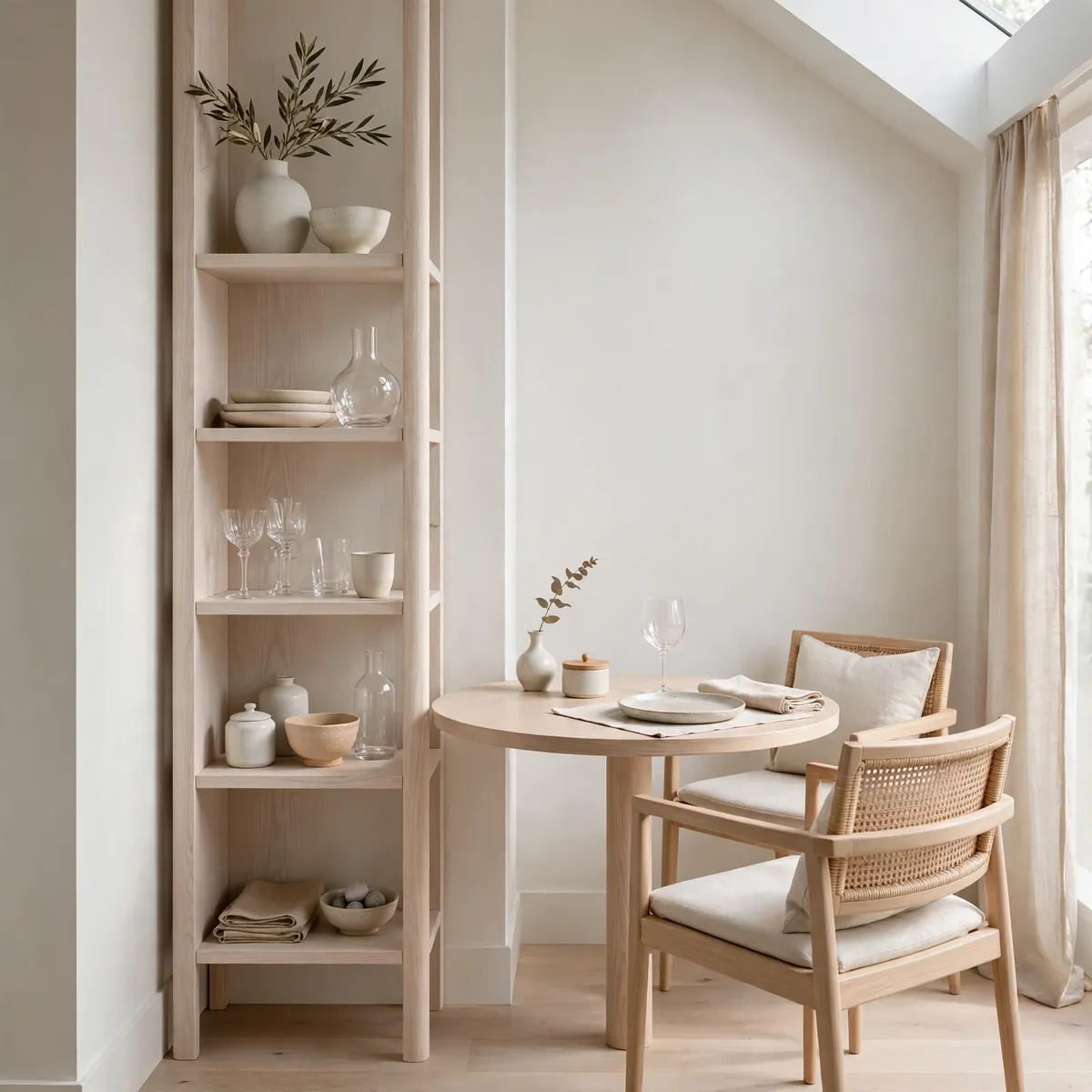
12. Store Up, Not Out, With Tall Shelving
When the footprint is fixed, the only way is up. A tall, narrow shelf holds glassware and linens on a sliver of floor — and styled shelves double as decor.
Quick tips
- Keep everyday items at arm’s reach; display-only pieces up high.
- Leave 20% of each shelf empty so it breathes.
13. Stack It: Chairs That Disappear
Stackable chairs mean you only “own” the chairs you’re using. Keep two at the table, stack the rest in a corner for guests. Modern stackables come in velvet and bentwood — no folding-chair shame required.
Quick tips
- Test the stack height before buying — four chairs should stay under 40 inches.
- Felt pads on the feet protect floors when restacking.
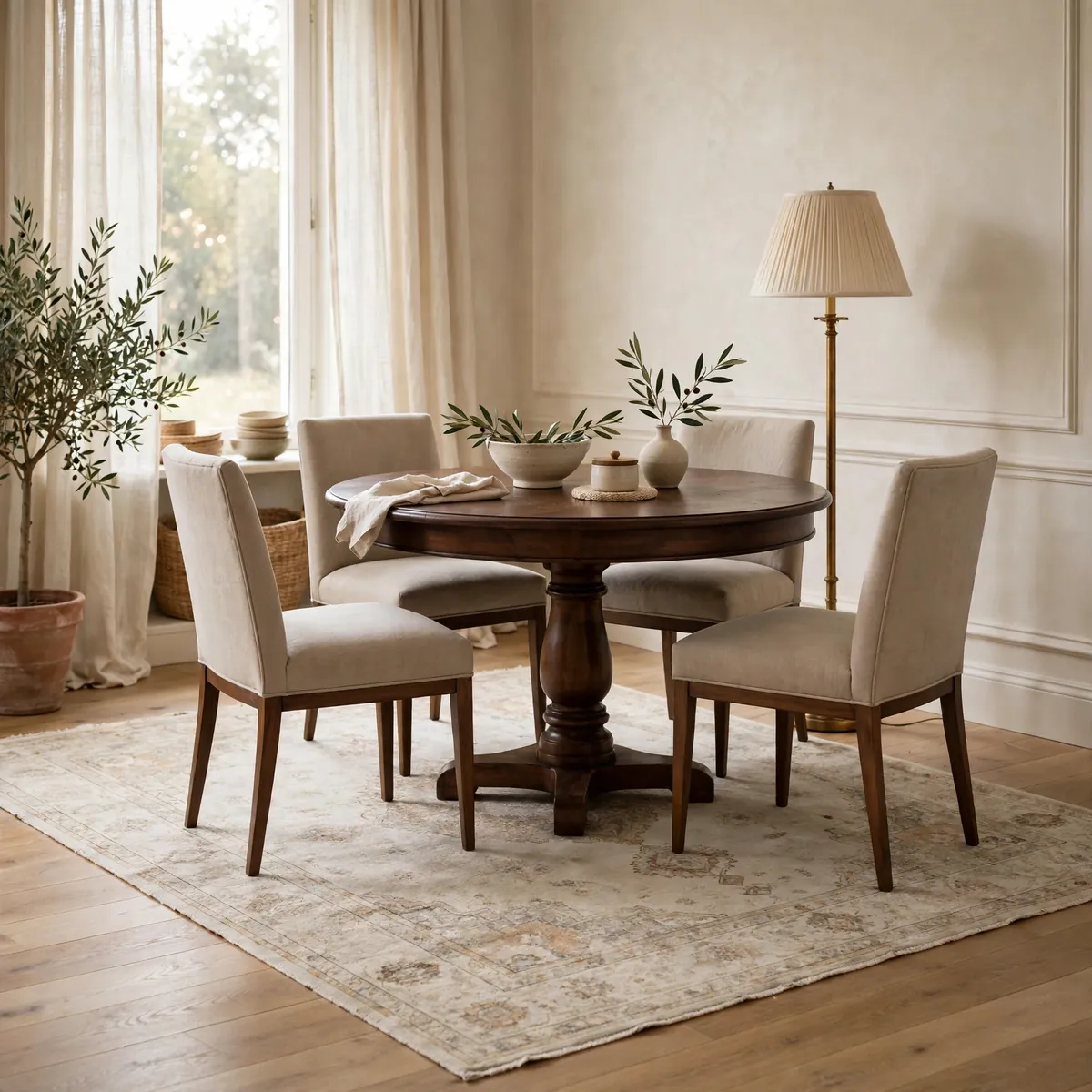
14. Anchor the Zone With the Right Rug
In an open plan, a rug tells the eye “the dining room starts here.” The trick for a small dining room: add 24 inches beyond the table on every side so chairs stay on the rug when pulled out, and choose a low-pile patterned weave.
Quick tips
- Low-pile or flatweave rugs let chairs slide easily.
- A vintage-style pattern hides everyday wear beautifully.
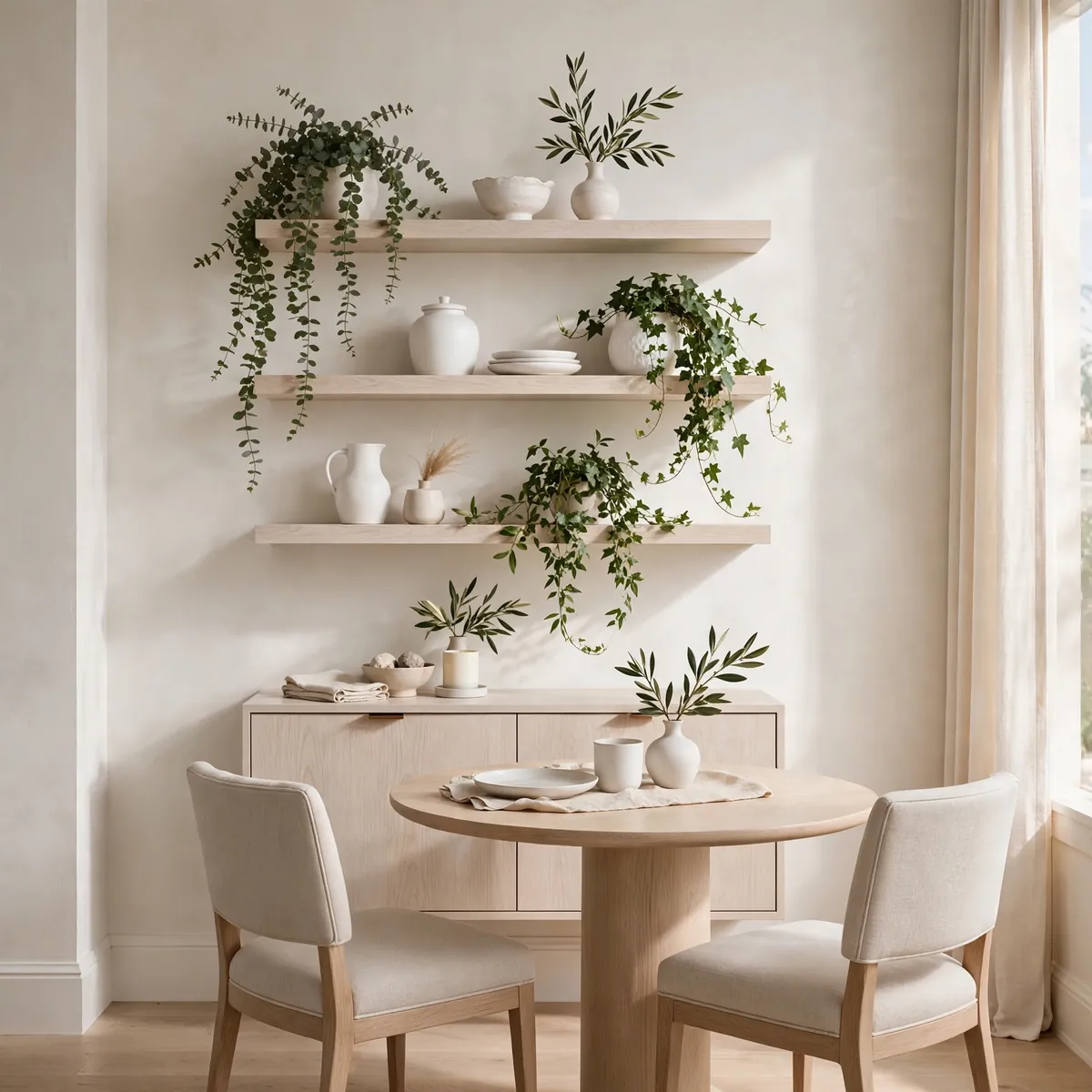
15. Swap the Hutch for Open Shelving
A deep, bulky hutch eats a foot of floor you’ll never get back. Two floating shelves hold the same everyday dishes on zero footprint — and styled with ceramics, they add personality the hutch never could.
Quick tips
- Limit open shelves to things you use weekly; dust is real.
- Match shelf material to the table for a custom built-in look.
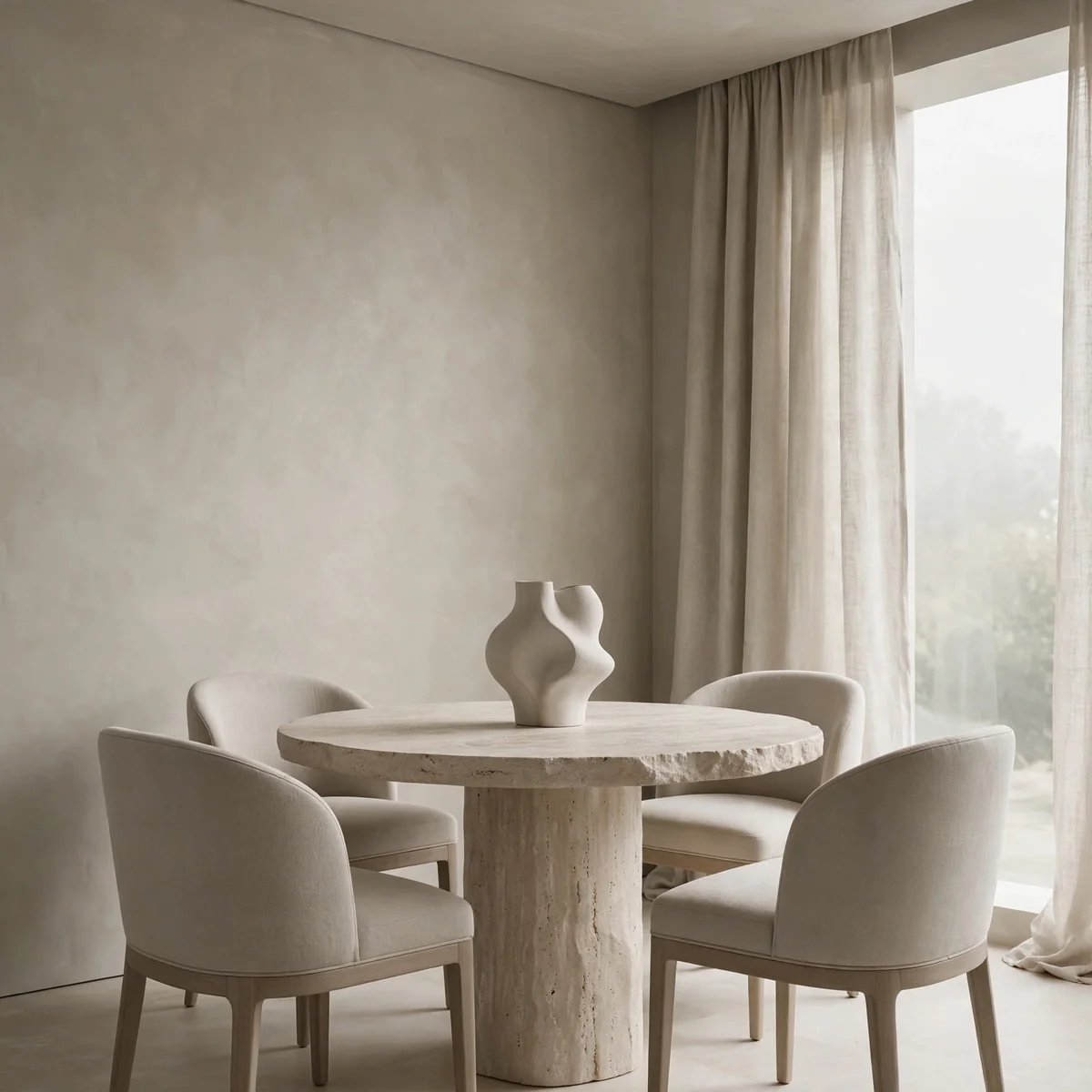
16. Why a Monochrome Small Dining Room Feels Bigger
Dressing walls, furniture, and textiles in one tonal family removes every visual “stop” that tells the brain the room is small. A monochrome small dining room in warm greige feels calm, seamless, and noticeably larger.
Quick tips
- Vary texture (boucle, linen, stone) so tone-on-tone stays interesting.
- One metallic accent — brass, nickel — keeps it from going flat.
17. Claim the Corner With an L-Shaped Bench
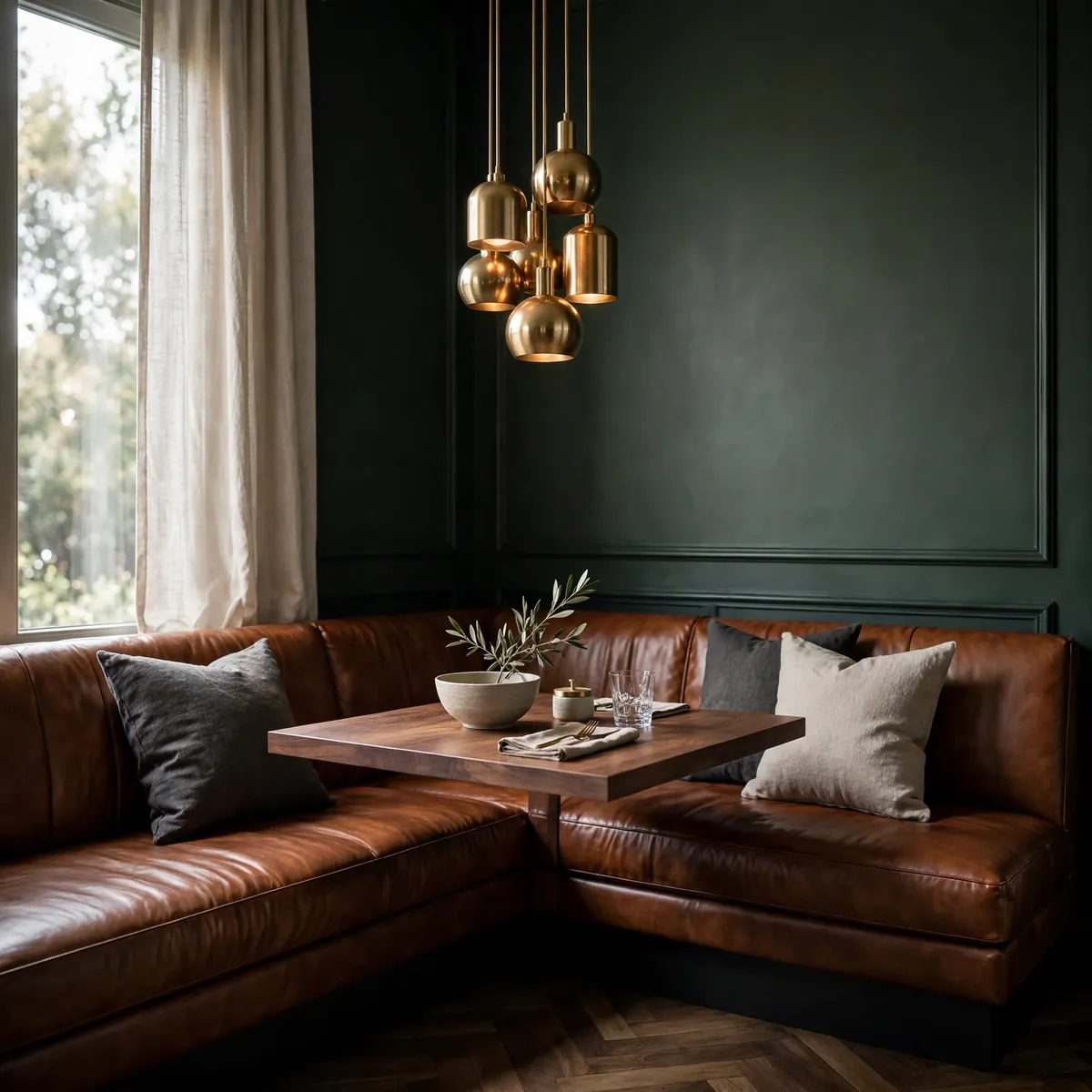
Corners are the most wasted real estate in compact homes. An L-shaped banquette converts one into seating for five around a small square table — the highest seat count per square foot of any layout here.
Quick tips
- A 30-inch square table is the sweet spot for a corner banquette.
- Add a pendant cluster above to define the corner zone.
18. Slim Down the Sideboard
You don’t have to give up serving storage — just go narrow. A 12- to 14-inch-deep console works as buffet, bar, and art ledge without jutting into the walkway.
Quick tips
- Wall-mount the console to free even the floor beneath it.
- Keep the top styling to three objects: art, light, greenery.

19. Hide Storage Under a Skirted Table
A floor-length tablecloth is the oldest designer trick in the book: beneath that elegant skirt hides whatever you need to stash. In a small dining room that’s short on closets, a skirted table is secret storage dressed for dinner.
Quick tips
- Choose washable linen or cotton; skirts meet crumbs daily.
- A 1-inch puddle break looks custom; floor-kissing looks tailored.

20. Add Depth With a Bold Accent Wall
One dark, saturated wall recedes visually, making the room feel deeper. Deep green or inky navy behind the table creates a jewel-box backdrop that makes everything in front of it glow.
Quick tips
- Keep the other three walls light so the dark wall reads as depth.
- Repeat the accent color once more in art or upholstery.

21. Let One Room Do Double Duty
If the dining area moonlights as a home office, make it official: a round table works beautifully as a desk, and a slim cane screen zones “dining” from “working” in seconds.
Quick tips
- A lidded basket per person swallows work clutter at 6 p.m.
- Choose a screen that’s beautiful from both sides.

22. Pick Armless Chairs That Tuck Away
Arms add six inches of width per chair — inches a small dining room doesn’t have. Armless chairs slide completely under the table, returning floor space between meals.
Quick tips
- Seat width of 17–18 inches is the comfort minimum without arms.
- Fully upholstered seats forgive longer dinners.

23. Hang One Oversized Piece of Art
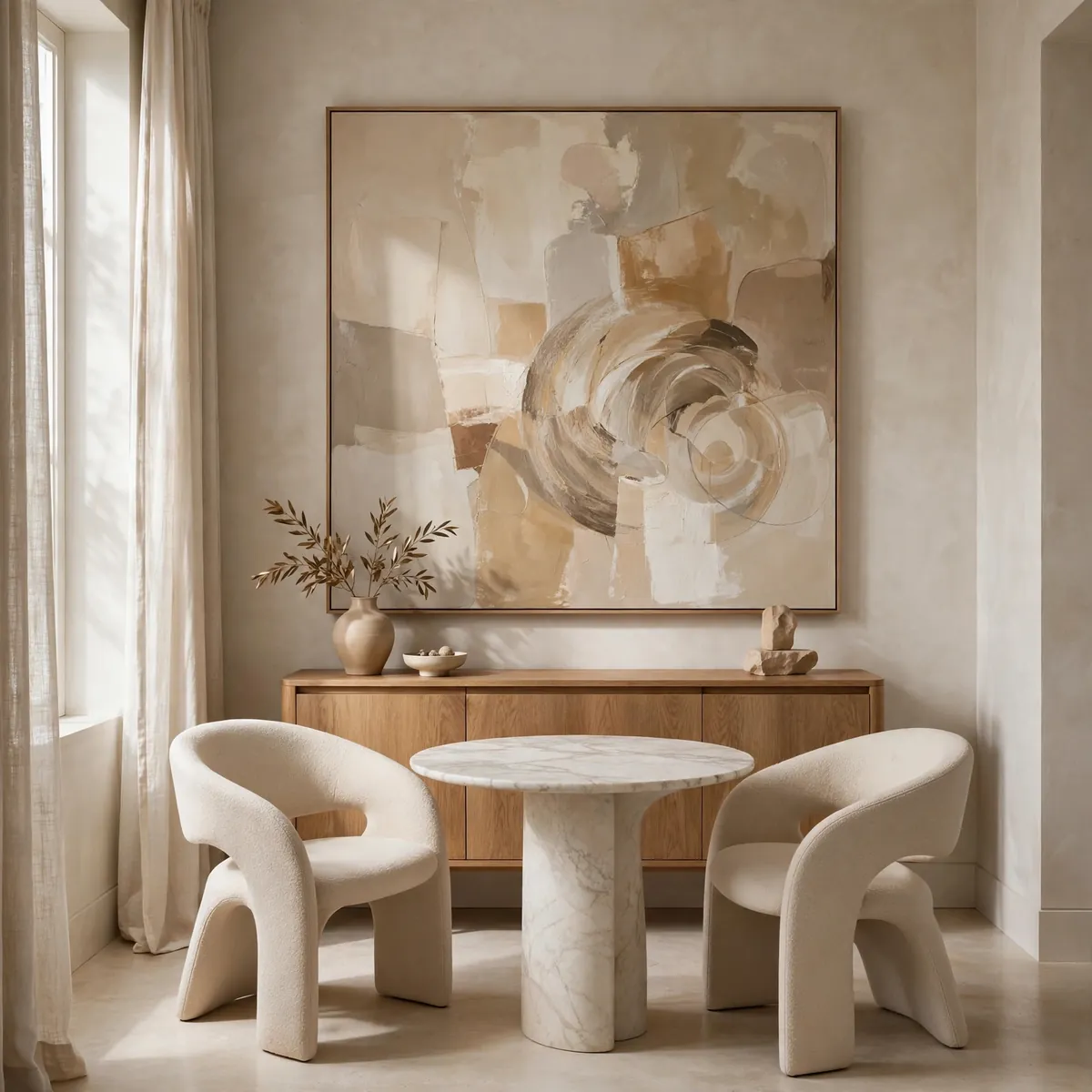
Many small frames chop a wall into visual confetti; one large canvas gives the eye a single calm destination and makes the wall — and the room — feel grander.
Quick tips
- Art should span roughly two-thirds the width of the furniture below.
- Hang the center at 57 inches — gallery standard.
24. Dine by the Window
Natural light is the cheapest square-footage multiplier there is. Push the table toward the brightest window, add a window bench, and the view becomes your decor — no art budget required.
Quick tips
- Sheer curtains keep light while softening harsh glare.
- A bench under the window adds seating without blocking light.

25. Edit Ruthlessly: Less Is More
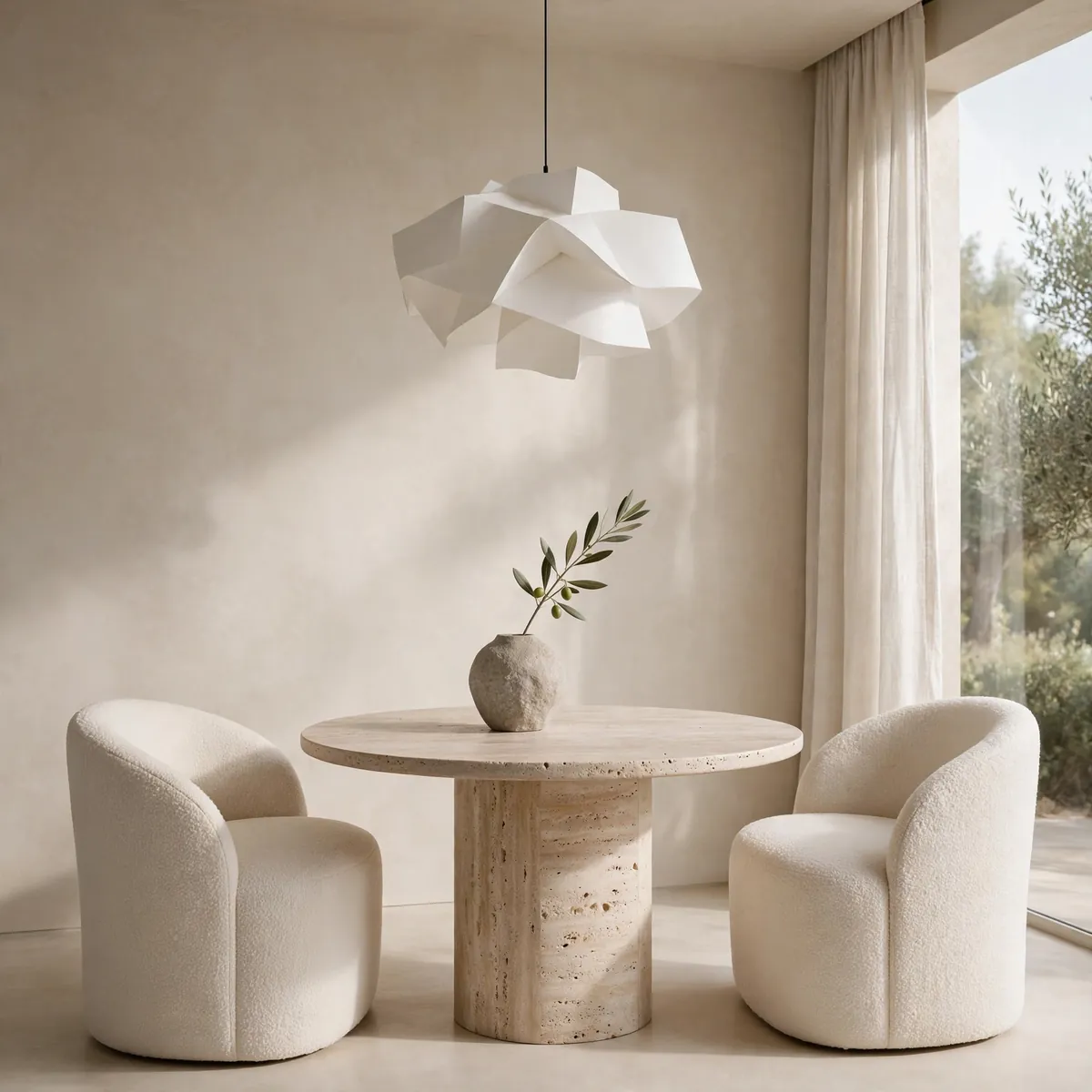
The final idea is a mindset: in a tight space, every object must justify its footprint. One sculptural pendant instead of three small ones, one olive branch instead of a crowded centerpiece. Restraint reads as luxury — clutter reads as small.
Quick tips
- If you haven’t used it in a month, it doesn’t live on the table.
- Leave one surface completely clear; negative space is decor too.
FAQs
What is the best table shape for a small dining room?
A round table is the best shape for a small dining room. Round tables have no sharp corners, seat more people per inch of diameter than rectangular tables, and a single pedestal base frees up legroom so chairs tuck in tighter.
How can I make my small dining room look bigger?
Use a light color palette, add a large mirror opposite a window, choose transparent or leggy furniture, hang one low statement pendant, and keep surfaces uncluttered. Each trick removes visual weight, which is what makes tight rooms feel cramped.
What size rug should I use in a small dining room?
Choose a rug that extends at least 24 inches beyond the table on all sides so chairs stay on the rug when pulled out. That usually means a 6×9 or 8×10 rug under a 42-inch round table — and go low-pile so chairs glide.
Can a small dining room still feel luxurious?
Absolutely. Luxury in tight quarters comes from material quality, not square footage: a marble or travertine top, velvet or boucle upholstery, brass lighting, and one statement piece like a crystal pendant deliver five-star feel in under 100 square feet.
Conclusion
A small dining room is not a compromise — it’s an invitation to design smarter. Start with the three highest-impact moves:
- Swap in a round pedestal or drop-leaf table.
- Push seating against the walls with a banquette.
- Hang a mirror and one low pendant to define the zone.
Layer in vertical storage and a disciplined edit, and the room stops apologizing for its size. It can seat the people you love, look like a design magazine, and still leave room to breathe — pick your three favorite ideas above and start tonight.