7 Powerful Deck Stain Color Ideas for Every Type of Wood
Choosing the right finish is one of the most important steps in creating a beautiful outdoor deck. The best deck stain colors ideas do more than add color: they work with the wood’s natural undertones, grain, age, and surrounding architecture. A stain that looks soft and elegant on cedar may look orange on pine or too dark on redwood. This guide explains how to choose a balanced finish for common decking woods without ending up with mismatched tones.
Why Deck Stain Color Changes from One Wood to Another
Deck stain interacts with the wood beneath it. Natural red, yellow, green, brown, and gray undertones influence the final result. Porosity also matters. Soft woods absorb stain unevenly, while dense tropical hardwoods may resist it. Always test a small hidden area before coating the entire deck, and compare the sample in morning, afternoon, and evening light.
1. Cedar Deck Stain Colors Ideas
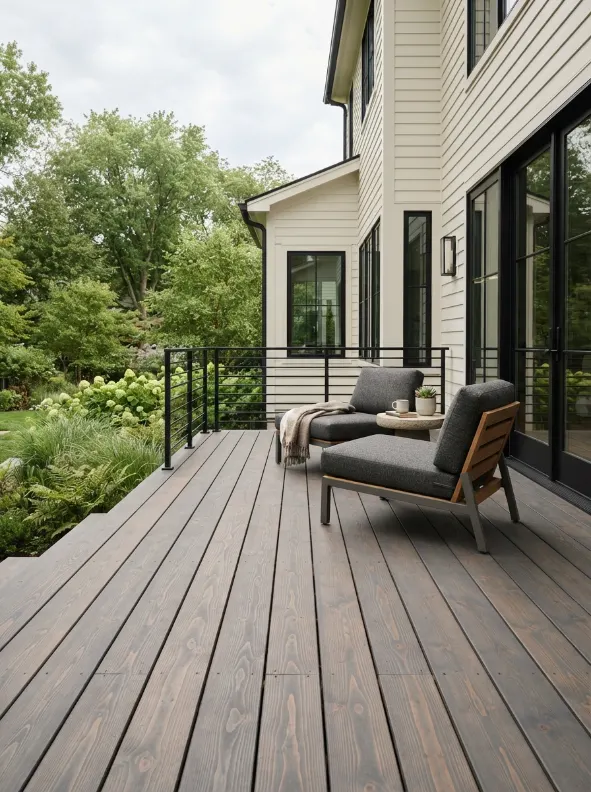
Cedar commonly has warm red, pink, honey, and peach undertones. Warm reddish stains can intensify those tones and create an overly orange appearance. For a calmer look, consider weathered taupe, soft walnut, muted brown, or slate-inspired gray with balanced undertones. These shades soften cedar’s warmth while allowing the grain to remain visible.
2. Pressure-Treated Pine
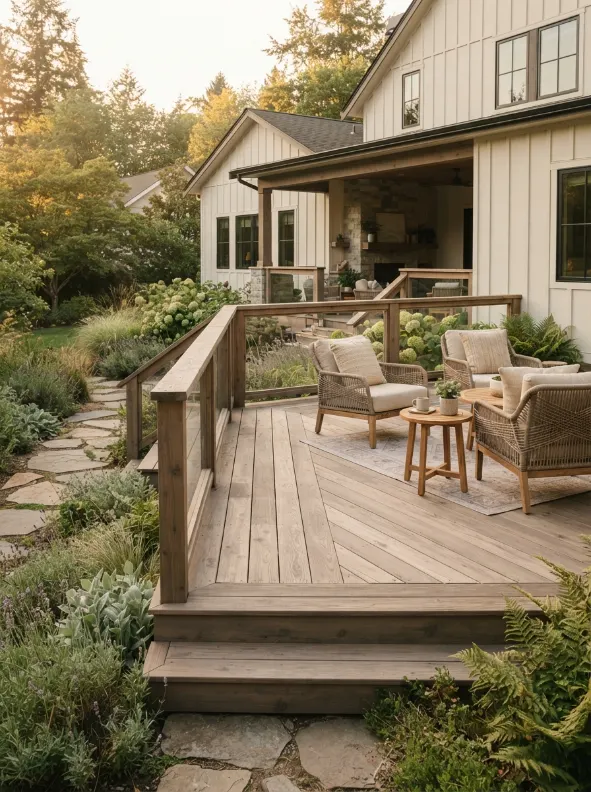
Pressure-treated pine is affordable and widely used, but it can have greenish-yellow undertones and an absorbent surface. Without proper preparation, the result may look blotchy. Warm medium brown, honey chestnut, golden oak, and brown-gray shades often create a more grounded appearance than icy gray or strongly red finishes. Clean the surface, allow new boards to dry as directed, and use a compatible conditioner when recommended.
3. Redwood Deck Stain Colors Ideas
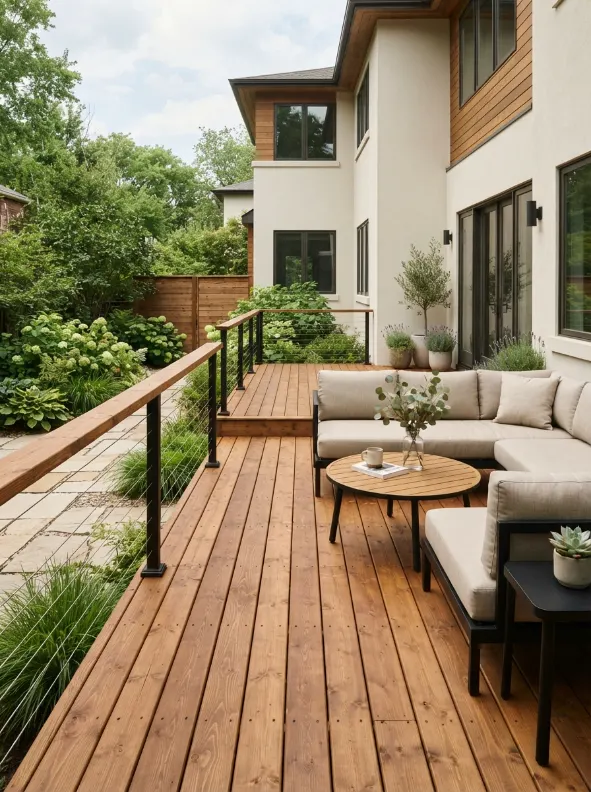
Redwood already offers rich cinnamon, russet, rosewood, and brick tones. It usually benefits from a finish that enhances rather than hides its character. Clear oil, natural cedar, cinnamon brown, and pale mahogany can deepen the color while preserving the straight grain. A finish with suitable UV protection can help preserve the desired tone.
4. Ipe and Tropical Hardwoods
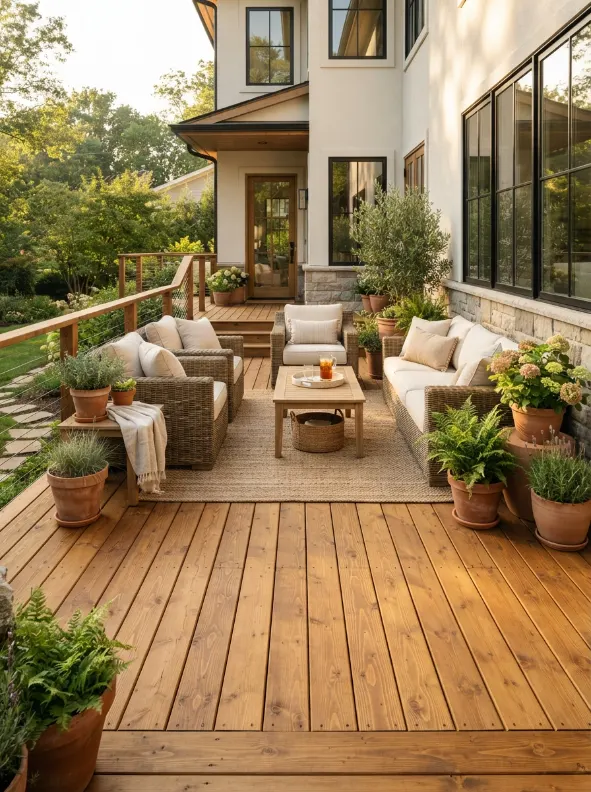
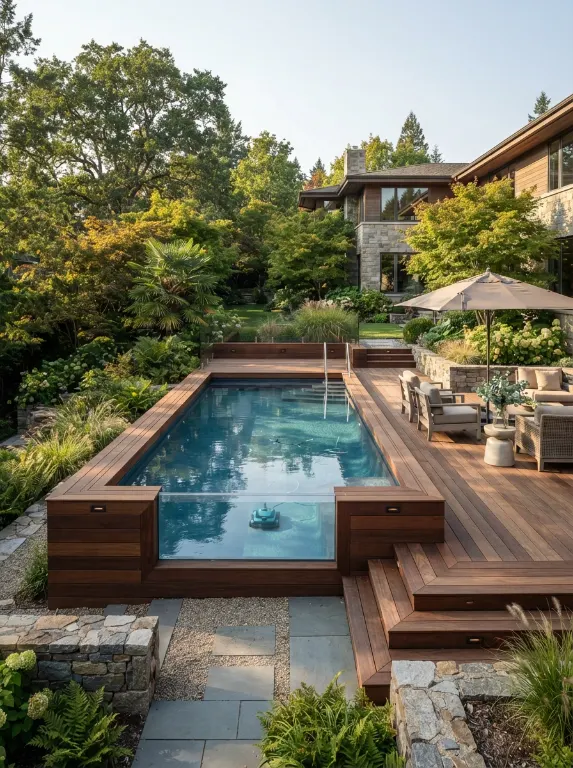
Ipe, cumaru, and similar tropical hardwoods are dense and naturally rich. Penetrating hardwood oils are often more suitable than heavy film-forming stains when the goal is to maintain the wood’s brown or chocolate color. Teak, natural brown, and transparent UV-protective oils can add warmth without covering the grain. Some homeowners prefer the natural silver-gray patina these woods develop over time.
5. Match the Deck to Your Home
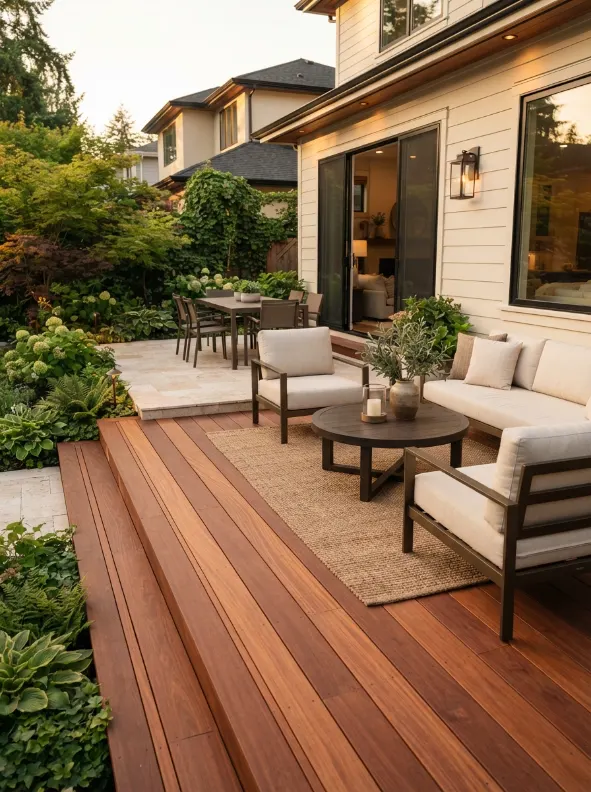
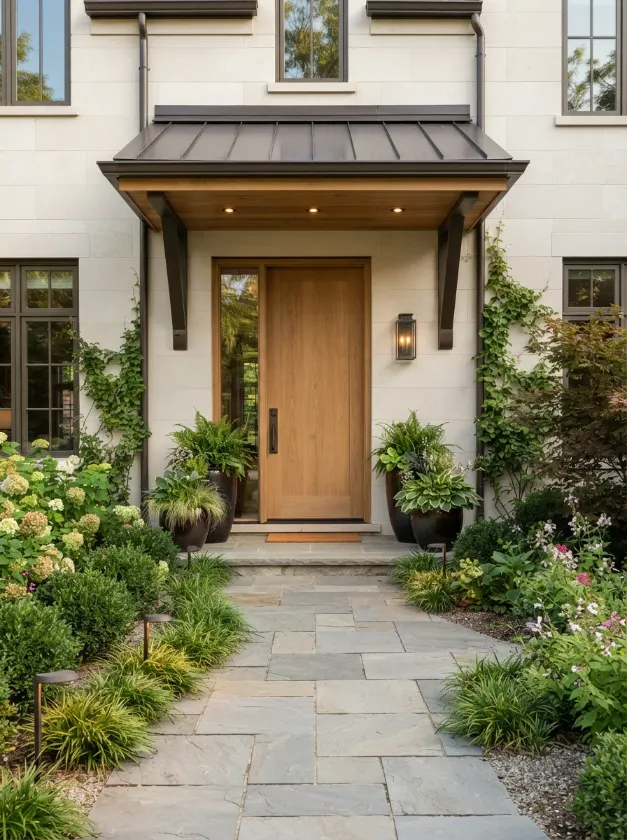
The best deck stain color should connect the outdoor space to the house. Cream siding pairs well with taupe, warm oak, and medium walnut. White or light-gray exteriors can support driftwood gray, natural brown, or charcoal-brown tones. Black railings often look balanced with warm medium brown, while stone patios pair naturally with muted taupe and weathered finishes.
6. Choose the Right Opacity
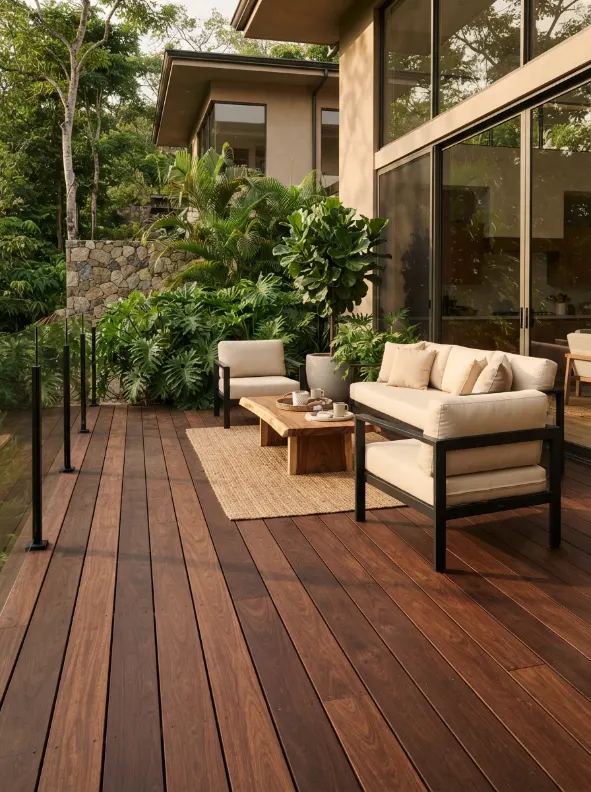
Clear and transparent finishes
These show the most grain and natural color. They are ideal when the wood is attractive and the main goal is subtle enhancement.
Semi-transparent stain
This flexible option adds noticeable color while preserving texture. It works well when you want to balance undertones without hiding the wood.
Solid stain
Solid stain provides more uniform color and can disguise variation, but it hides much of the natural grain. Use it when consistent coverage matters more than a raw-wood appearance.
7. Test Before You Commit
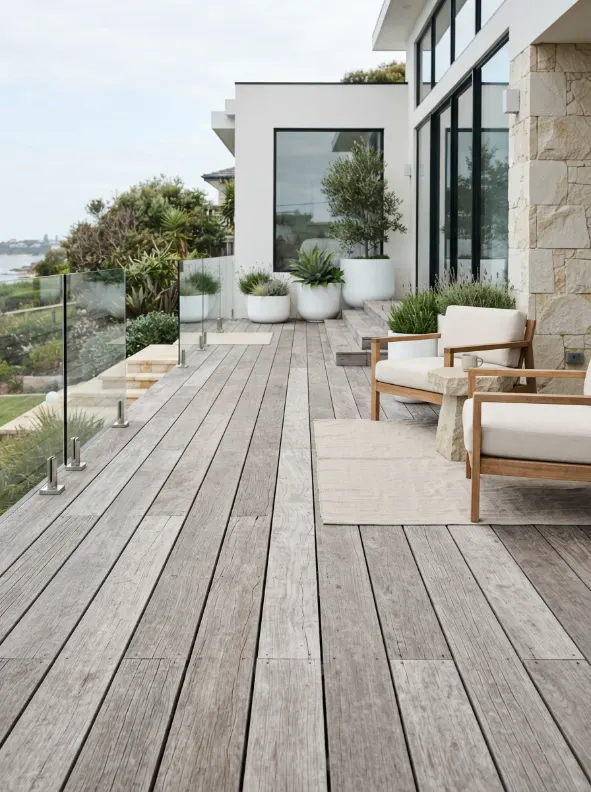
Make sample boards using the actual wood, preparation method, and number of coats you plan to use. Label every sample and place them beside the siding, railing, furniture, and paving. A color that looks perfect in a store may appear warmer, darker, or more gray outdoors. Testing is the simplest way to avoid expensive mismatched tones.
FAQs
What is the safest stain color for mixed wood tones?
A medium neutral brown or balanced taupe is often a flexible starting point, but samples are essential because each wood species reacts differently.
Should I use gray stain on pressure-treated pine?
Warm gray with taupe or brown undertones is generally easier to coordinate with pine’s warmth than a very cool blue-gray.
How many stain coats should I apply?
Follow the product label. More coats do not always create a better result and can lead to uneven color or a surface film.
Final Thoughts
The most successful deck finishes complement the wood instead of competing with it. Cedar often benefits from balanced taupe and brown tones, pine looks grounded with warm earthy shades, redwood shines with transparent or cinnamon finishes, and tropical hardwoods usually look best with subtle penetrating oils or an intentionally weathered patina. Use these deck stain colors ideas as a starting point, then test your chosen shade on the exact boards before making the final decision.