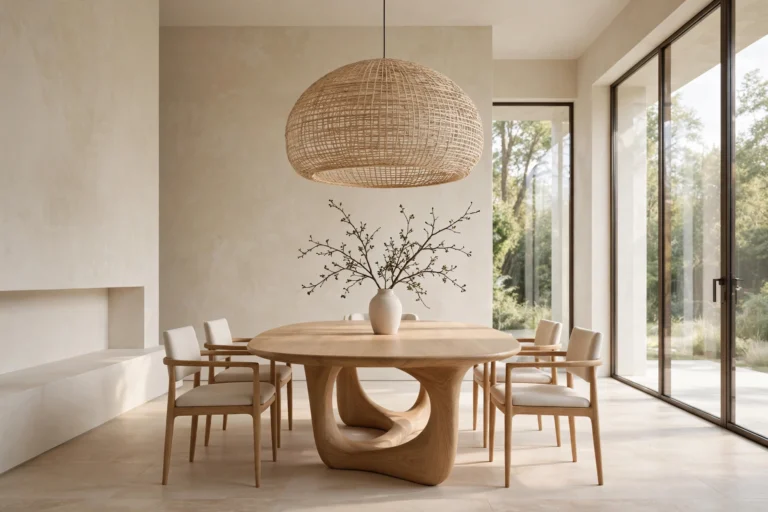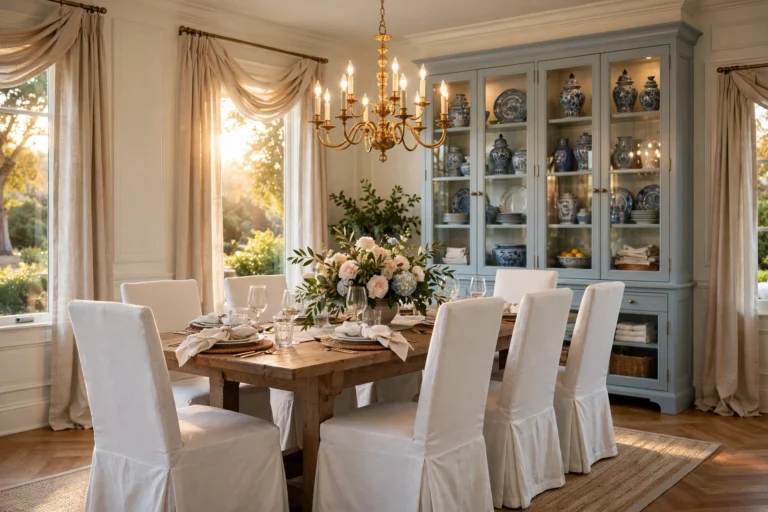
Small Dining Table Ideas That Make Tight Rooms Feel Generous
The table decides everything in a small dining room. Get the shape, size, and seating right and a tight corner seats four in comfort; get it wrong and even a generous room feels jammed. These small dining table ideas start where the real decisions happen — not with decor, but with the single piece of furniture every meal revolves around.
Round and pedestal tables move better in tight rooms, extendable tables solve the guest problem, and visually light finishes make the whole space read larger. For everything beyond the table — layout, lighting, and wall decor — our guide to small dining room ideas covers the rest of the room. Below are twelve table-first ideas, from choosing the right shape to styling a table that works harder than just dinner.
Small Dining Table Ideas That Start With Shape
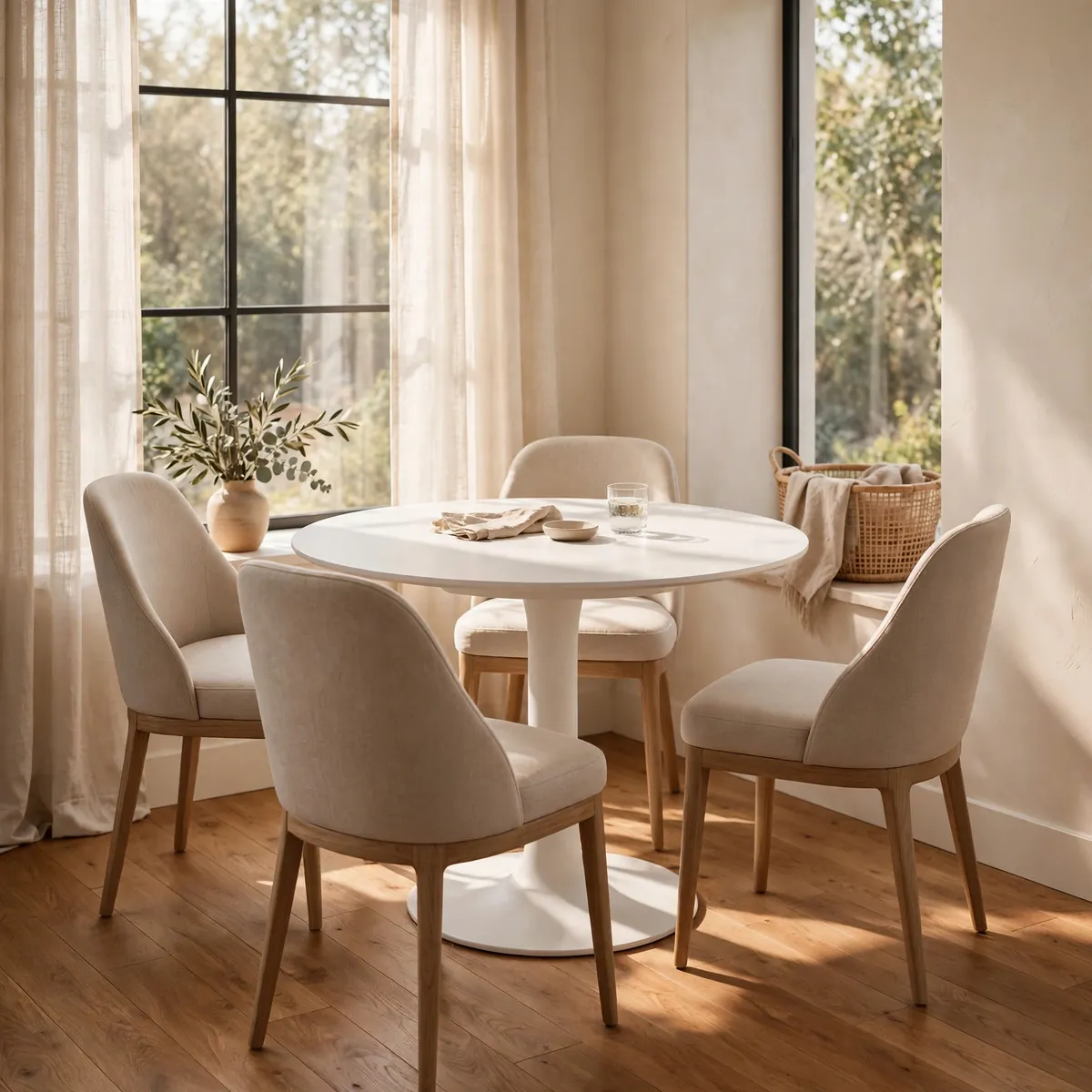
Shape is the single biggest lever you have, and the answer depends on the room’s footprint. In a square room, a round table is almost always the best choice: with no corners, it softens the traffic flow, slides into corners when needed, and lets everyone face each other, which makes a small table feel like a social choice rather than a compromise. A 36-inch round table seats two comfortably and four in a friendly squeeze, and on a pedestal base it can push toward a wall when you need the floor for something else.
Square rooms also suit square tables tucked into a corner, which reads intentional rather than leftover. In a long, narrow room, the geometry flips: a slim rectangular table — ideally no wider than 28 to 30 inches — keeps the walkway clear on both sides, and you can push one long side against the wall for everyday use, then pull it out when guests come. Oval tables split the difference beautifully, offering the corner-free flow of a round table with the seating efficiency of a rectangle, and they slide through narrow rooms without snagging hips on sharp corners.
What to avoid is a chunky rectangular table with four thick corner legs in a small room: the legs eat legroom, the corners demand clearance on all sides, and the whole piece reads heavier than its footprint. Choose the shape that matches your room’s shape, and half the space problem disappears before you buy a single chair.
One more shape note: in open-plan spaces where the dining table floats between the kitchen and living areas, a round table reads as a deliberate zone rather than a leftover rectangle, and it keeps sightlines open across the whole room.
Quick tips
- Match round tables to square rooms and slim rectangles to narrow rooms.
- Pedestal bases beat four-leg bases for legroom in every shape.
Measure Before You Fall in Love
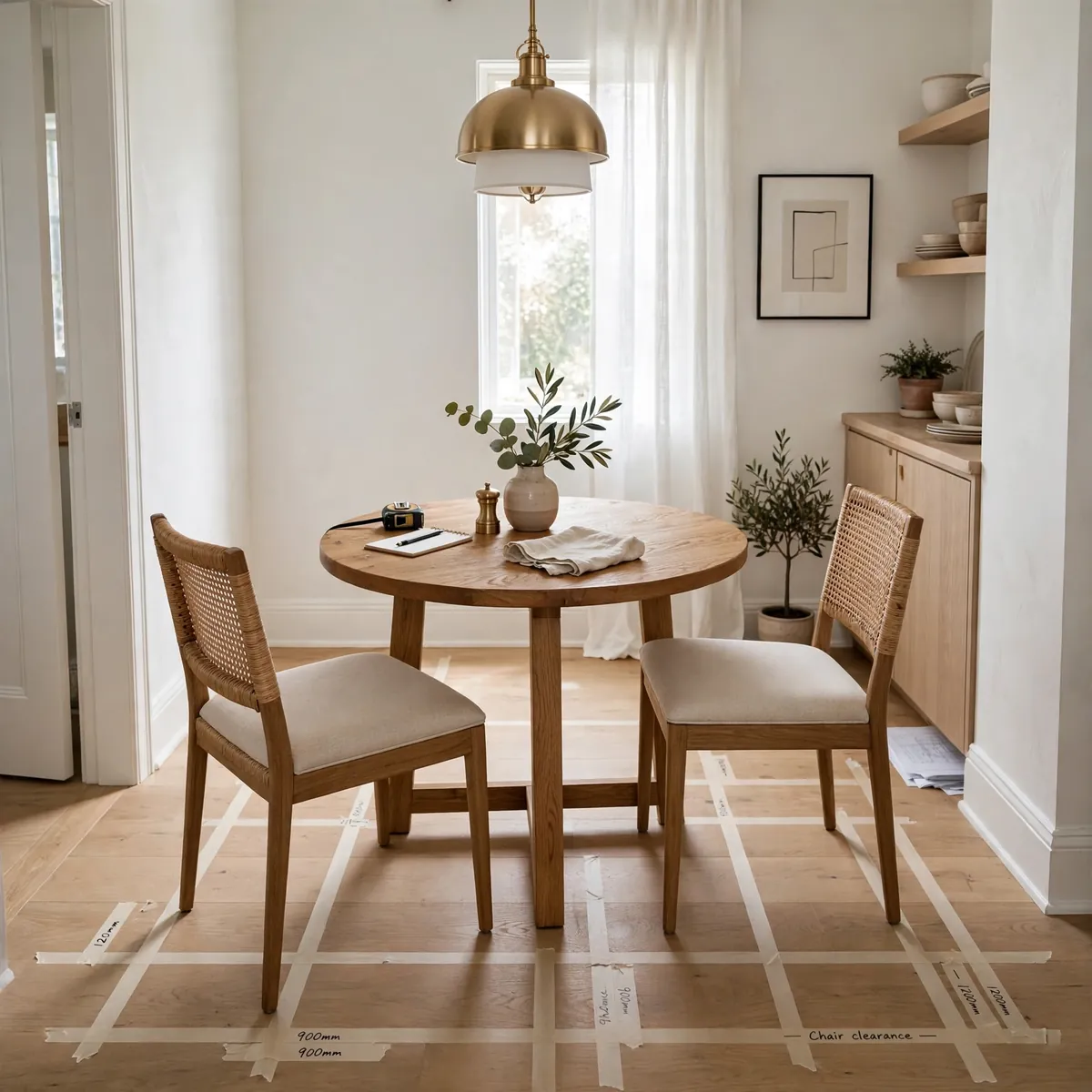
The most common small-dining mistake is buying the table before measuring the room. Designers work to a simple clearance rule: leave 30 to 36 inches between the table edge and the wall or any furniture behind it. That gap is the space chairs need to pull out and people need to walk behind them. Less than 24 inches and diners are trapped; more than 36 and the room starts to feel oddly empty.
Size it right in this order:
- Mark the footprint with painter’s tape — include the chairs pulled out, not just the tabletop.
- Aim for a round table 36 to 42 inches across (seats two to four) or a rectangular table no wider than 30 inches.
- Check the walkway: 30 inches minimum between the table edge and the nearest wall or furniture.
- If the numbers don’t fit, go smaller or extendable — never squeeze a too-big table in and hope.
Choose an Extendable Table for Weekdays and Guests
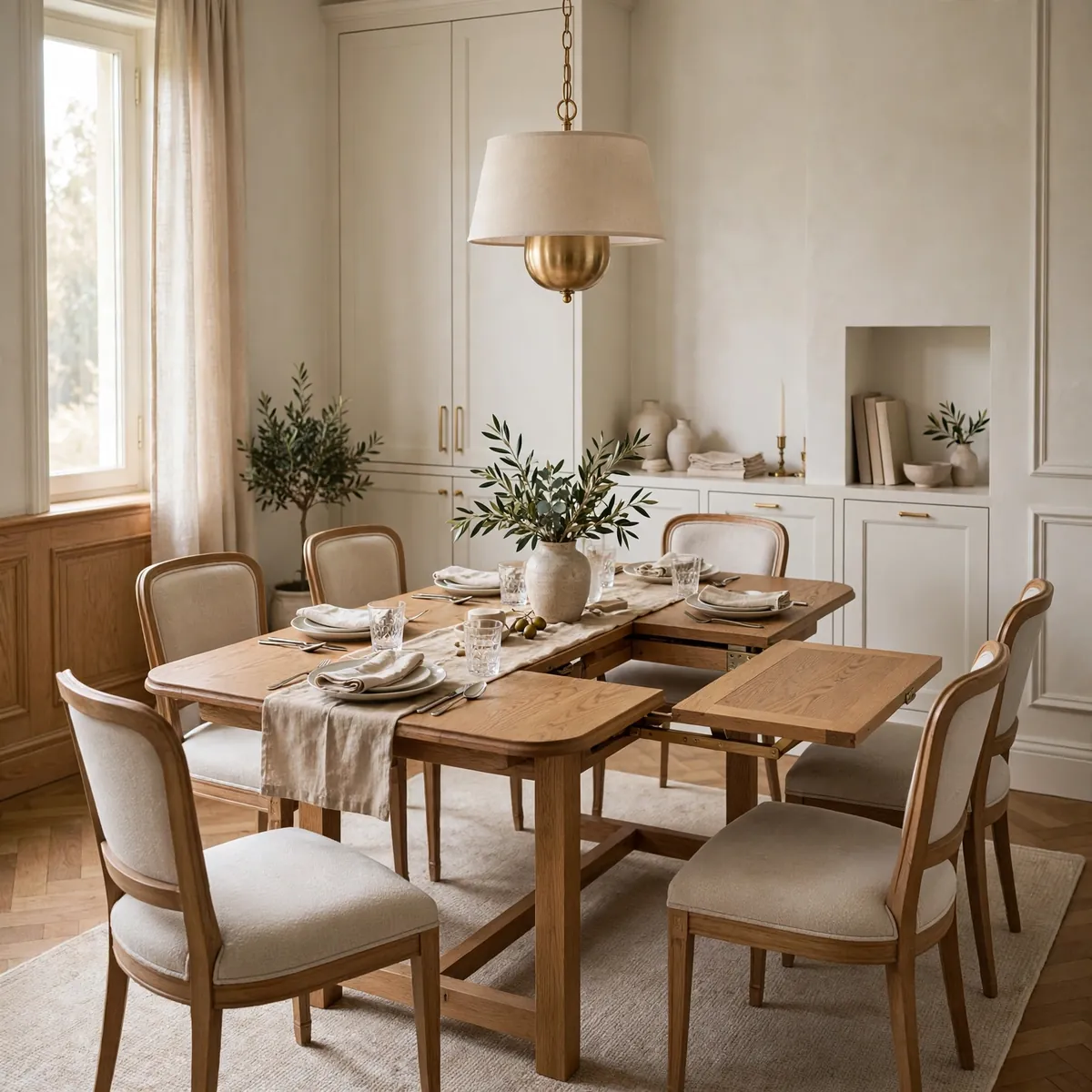
An extendable table is the honest answer to the hardest small-dining question: how do you seat guests without living around a banquet table every day? With the leaves tucked away, it reads as a compact four-seater; extended, it seats six or more. Butterfly leaves that fold into the table itself are the cleanest mechanism — nothing to store — while removable leaves need a closet but give you the most length.
Quick tips
- Test the extension mechanism in person; a stiff leaf is a leaf you will never use.
- Keep a slim storage spot for removable leaves so they don’t become clutter.
Try a Drop-Leaf or Gateleg Table
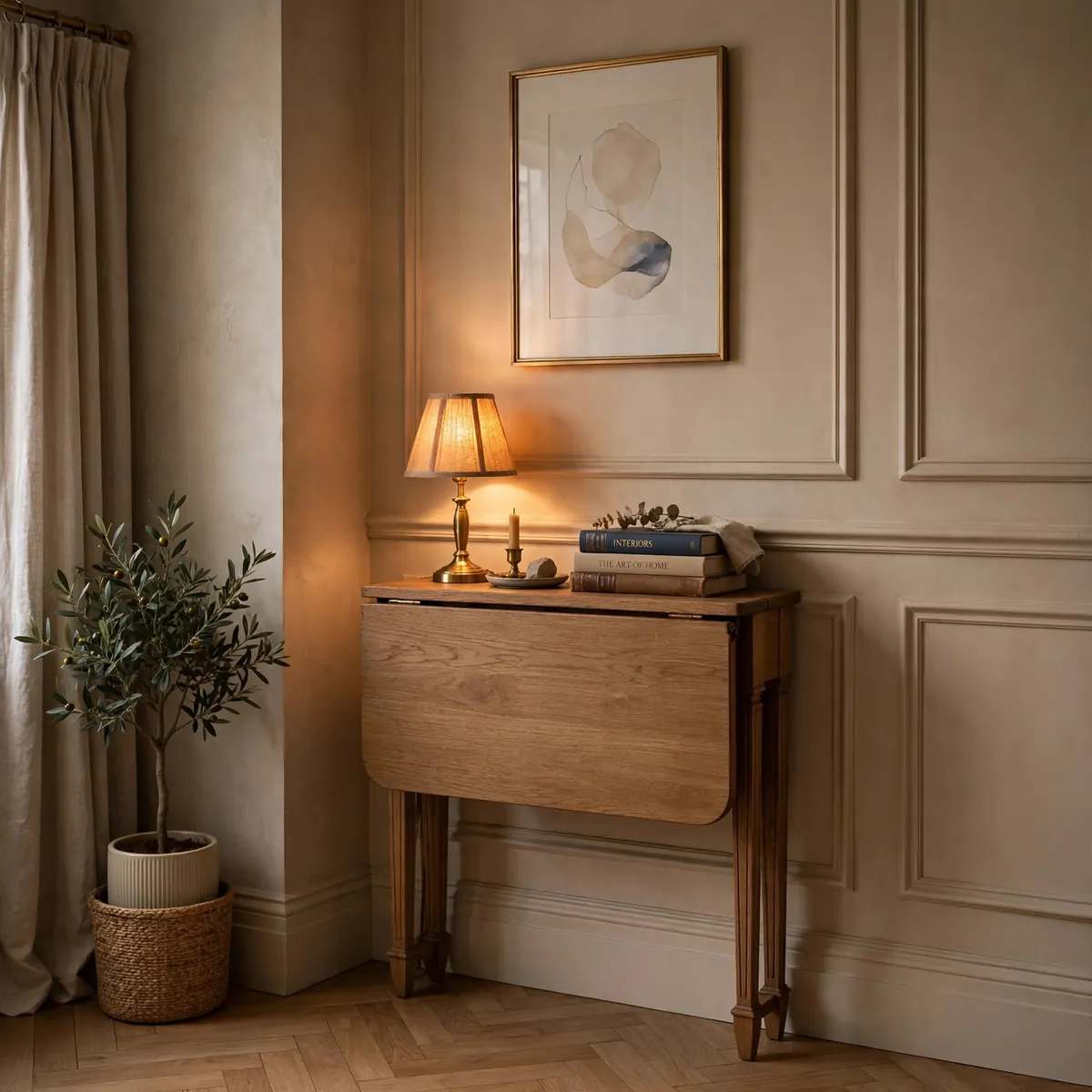
For truly tiny rooms, a drop-leaf table is the most flexible piece of furniture you can own. With both leaves down it becomes a console barely a foot deep — a place for keys, a lamp, a stack of books. Raise one leaf and it seats two; raise both and it seats four to six. Gateleg versions support each leaf on its own leg, so the extended table feels as solid as a fixed one.
- Push it against the wall with the leaves down to reclaim the whole room between meals.
- Gateleg tables handle heavy serving dishes better than simple drop-leaf designs.
- Choose a wood tone you love — with the leaves down, it is furniture, not a compromise.
Pick a Slim Rectangular Table for Narrow Rooms
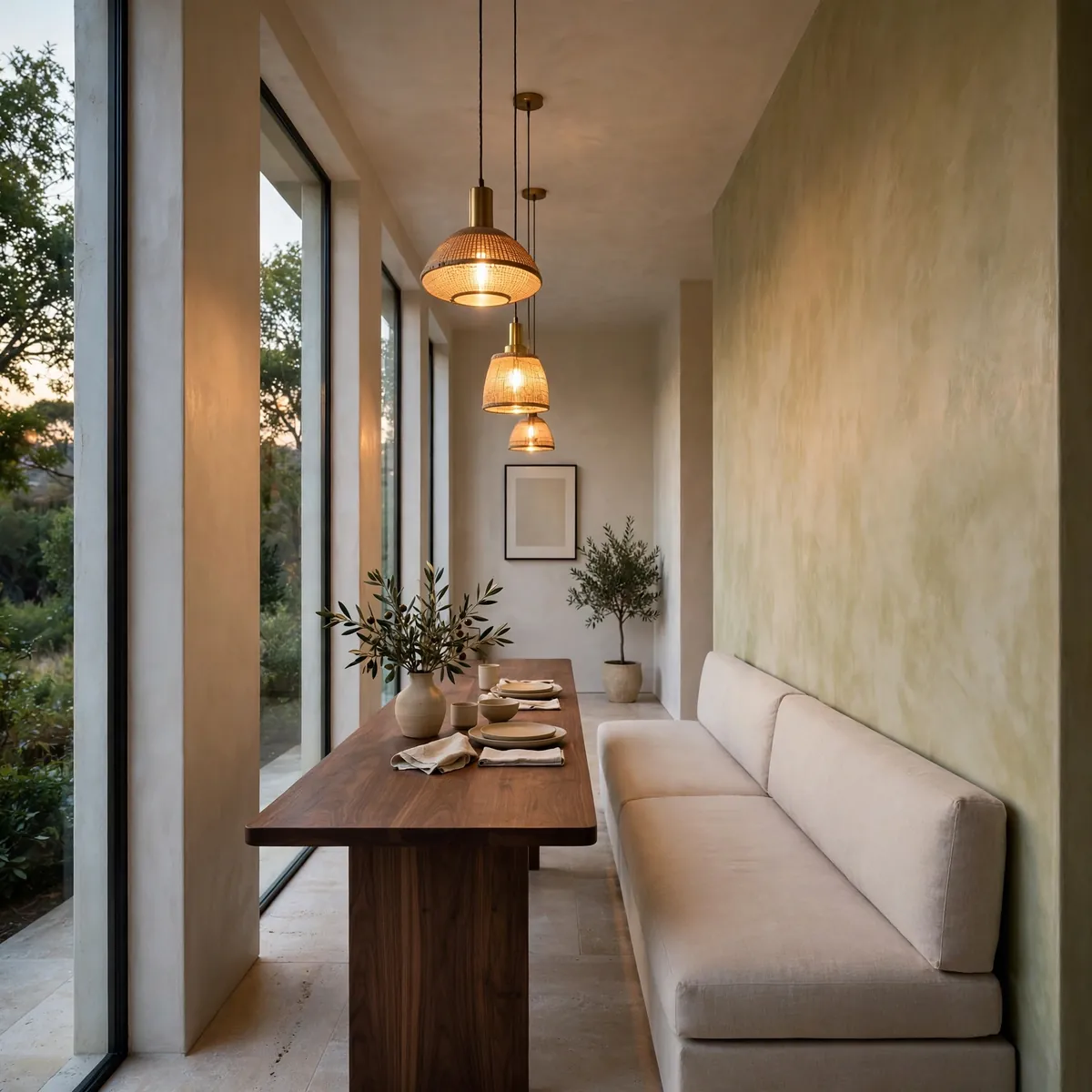
When the room is long and narrow, width matters more than length. A table 28 to 30 inches wide leaves comfortable walkways on both sides even in a tight room, and it is still wide enough for place settings facing each other. Run it lengthwise along the room, push one side against the wall for daily use, and pull it out when the whole table is needed.
- Trestle bases keep the center open so a narrow table doesn’t feel hemmed in.
- A bench on the wall side tucks completely under a slim table.
- Keep the surface mostly clear — a narrow table shows clutter fast.
Lose the Corner Legs With a Pedestal Base
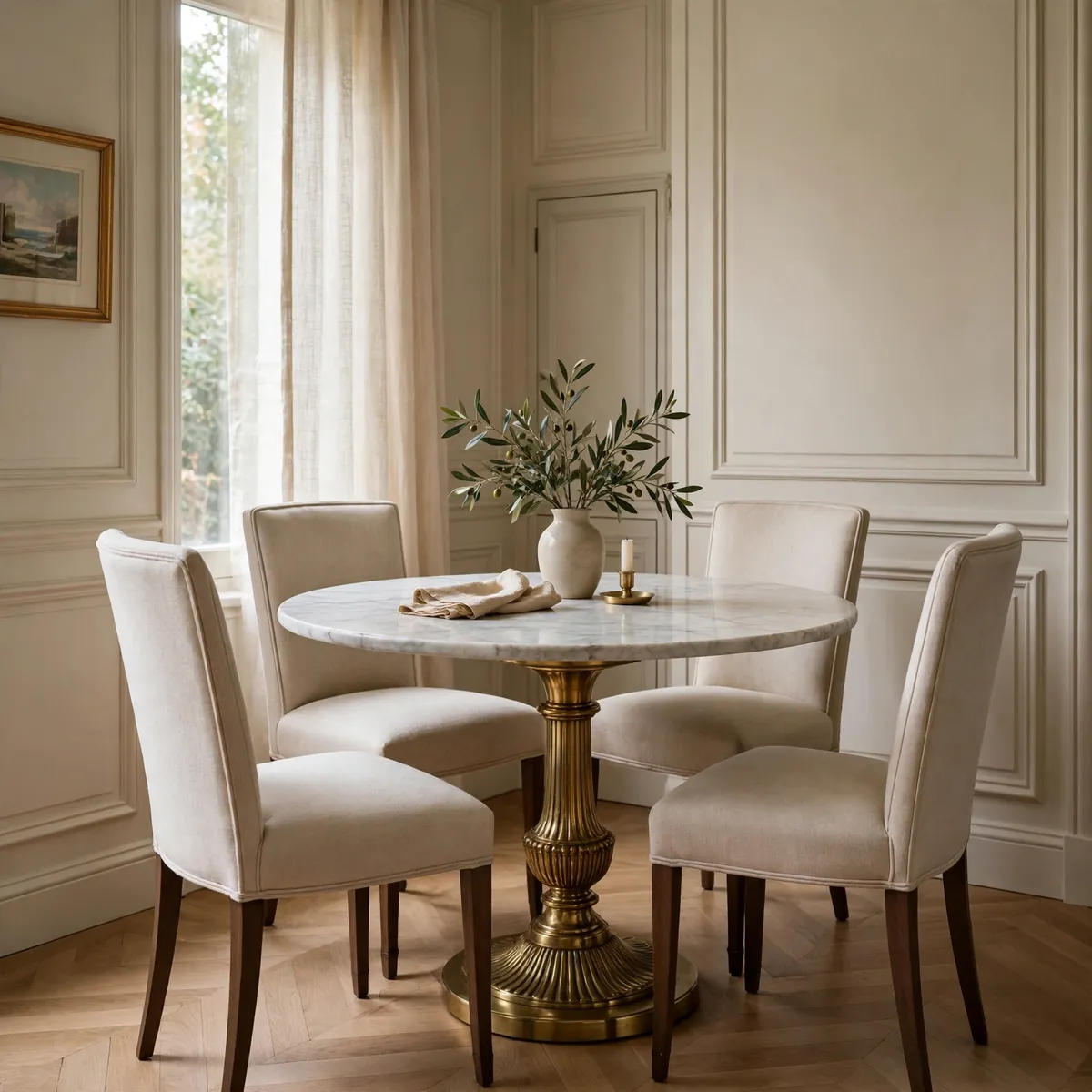
Four corner legs waste the most valuable inches in a small dining room: the space where knees and chair legs need to go. A pedestal base — a single central column or a pair of them — hands that space back. Chairs tuck in further, one more person squeezes in without a leg in their way, and the table itself reads lighter because you can see floor beneath it.
Quick tips
- Tulip bases are the classic choice; trestle bases suit farmhouse and rustic styles.
- Check the base footprint — a wide pedestal foot can be a toe-stubber in tight rooms.
Go Visually Light With Glass or Pale Finishes
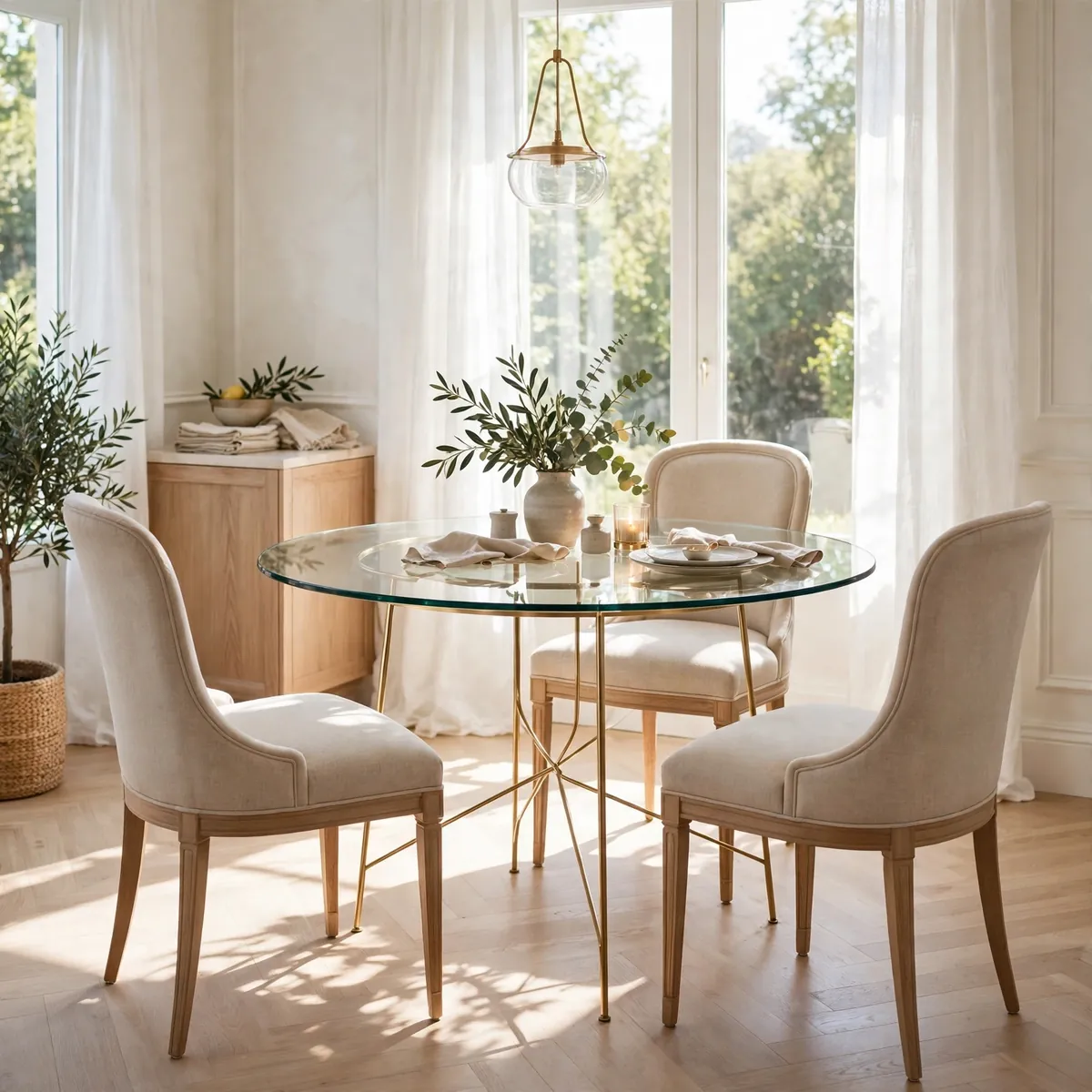
A table that lets light through reads smaller than it is. Glass-top tables are the extreme version — the eye travels straight through them, so the room keeps its sense of depth — and they pair beautifully with upholstered chairs that would otherwise look bulky. If glass feels too modern or too fussy with fingerprints, pale wood finishes and whitewashed tops give the same airy effect with more warmth. Slim legs, open frames, and light stains all shrink a table’s visual weight.
- Tempered glass with a beveled edge is the practical choice for everyday dining.
- Match a light table with slim, armless chairs to double the airy effect.
- A light table brightens a dark corner without adding a single new light fixture.
Pair It With Armless, Tuck-Under Chairs
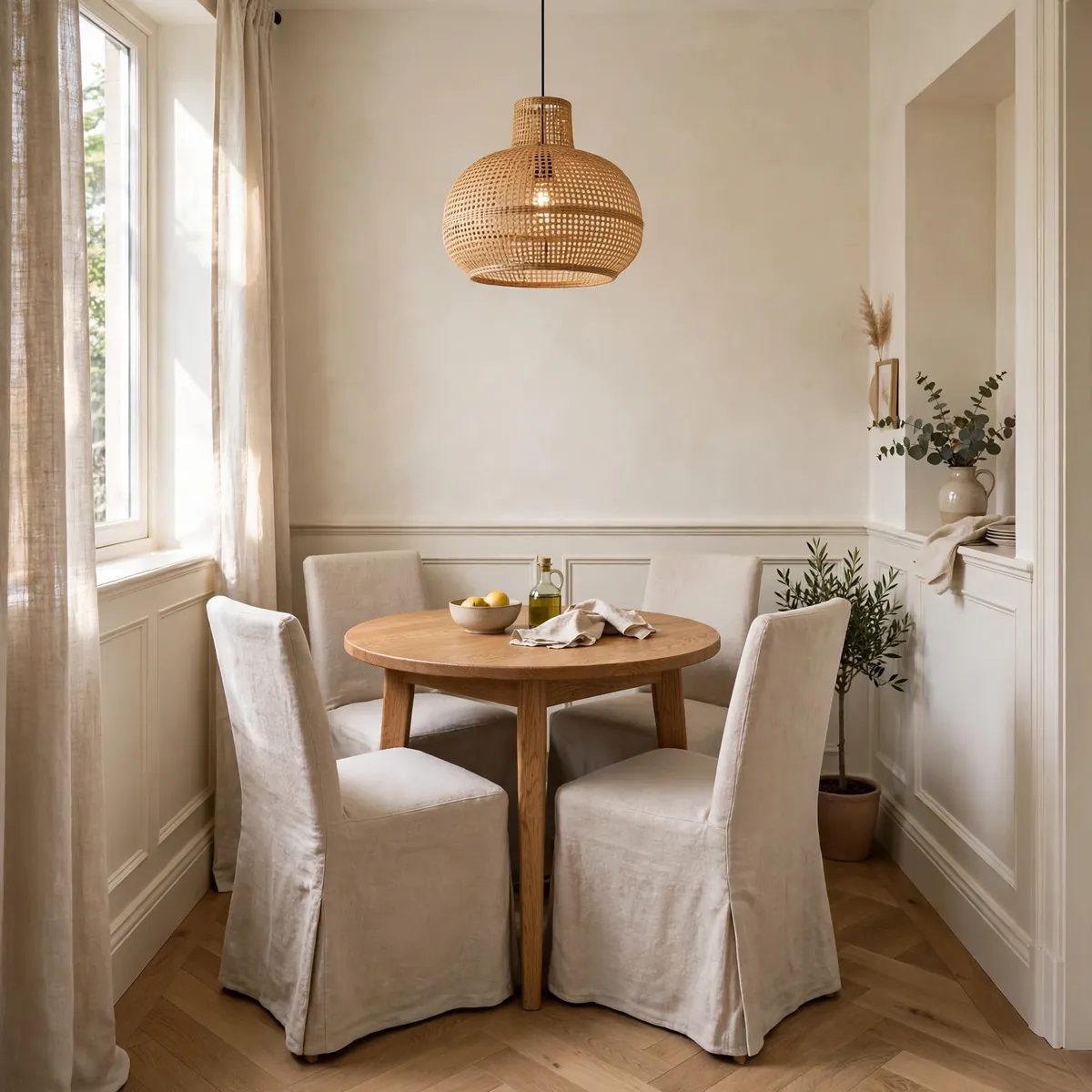
Chairs are the hidden space-eaters. Armchairs need inches on each side that a small room doesn’t have, and they can’t slide fully under the table. Armless side chairs solve both problems: they tuck completely beneath the tabletop when not in use, and their narrow profile keeps the walkway open. Look for chairs with open backs or cutout designs — they read even lighter.
Quick tips
- Stackable or folding chairs give you overflow seating that lives in a closet.
- Keep chair width under 18 inches for the slimmest profile.
Slide a Bench Underneath for Bonus Seats
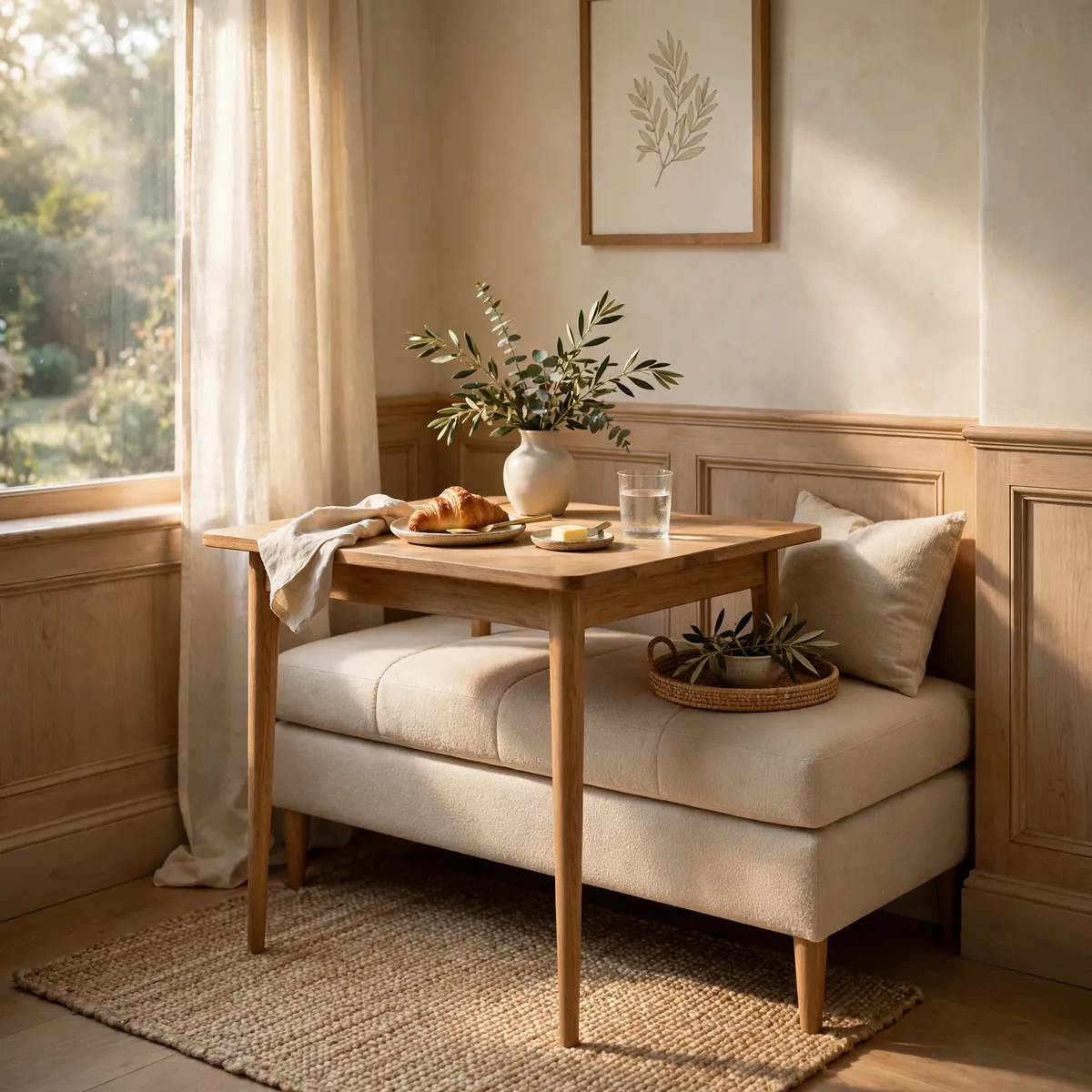
A bench is the highest-density seating you can buy. One bench seats two or three where two chairs would barely fit, and when dinner is over it slides completely under the table and disappears. Backless benches are the slimmest option; a storage bench doubles as a hiding place for table linens, placemats, and the serving pieces you only use at holidays.
- Upholstered benches add comfort without the bulk of full chairs.
- Put the bench on the wall side and chairs on the open side for the easiest in-and-out.
- A bench 17 to 19 inches high matches standard dining table height.
Let the Table Earn Its Keep as a Desk or Console
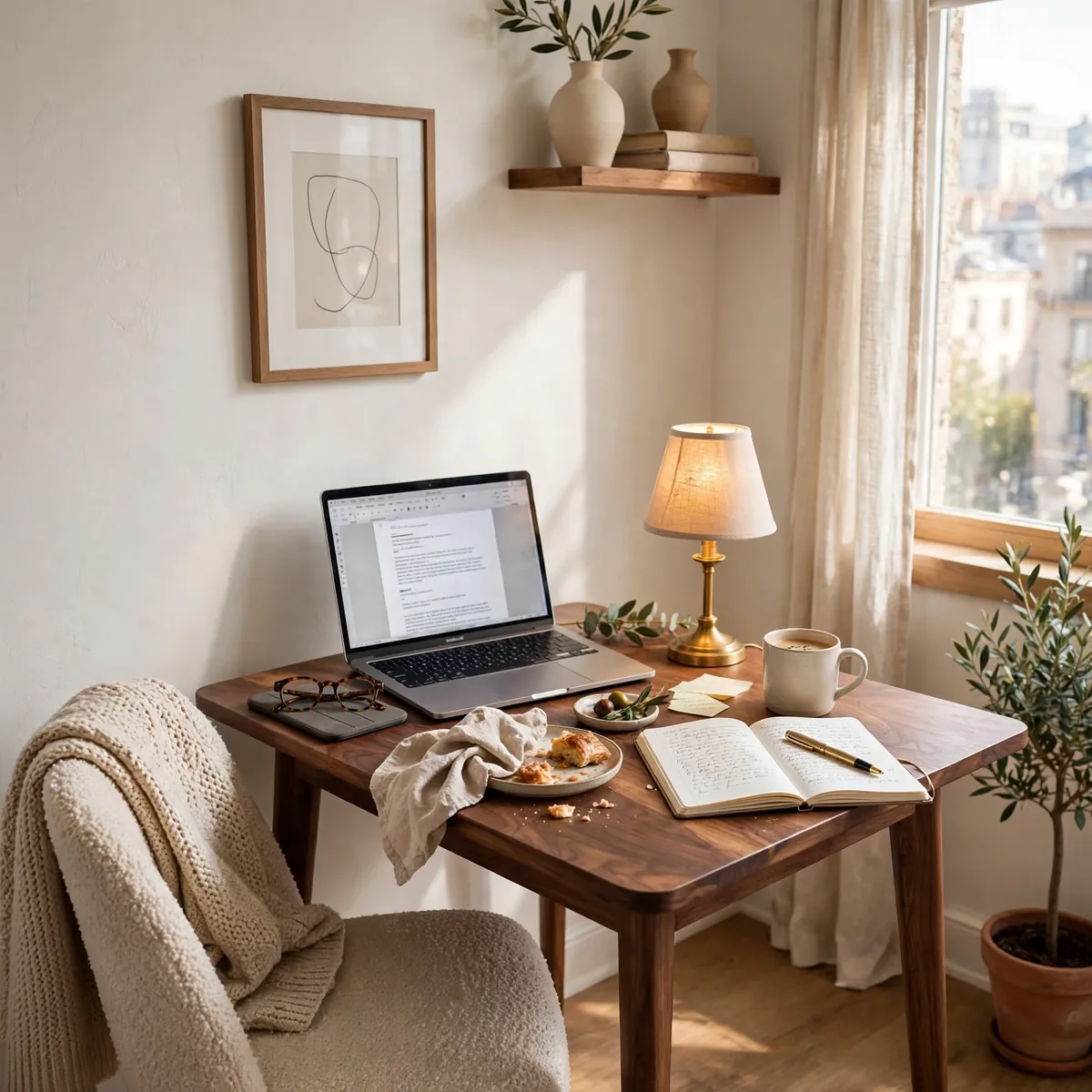
In a small home, the dining table is rarely just a dining table. It is the home office, the homework station, the wrapping counter, and the buffet at parties. Choose with that double life in mind: a wipeable finish survives laptops and craft projects, a drawer or lower shelf swallows chargers and notebooks, and a table you love looking at makes the workday better. When the workday ends, a quick clear and a low centerpiece turns it back into a dining room in two minutes.
- A washable runner protects the surface during work hours and dresses it for dinner.
- Keep a basket nearby for the daily clear-off so it actually happens.
- Console-to-dining convertible tables are the extreme version of this idea.
Anchor It With One Pendant and a Right-Sized Rug
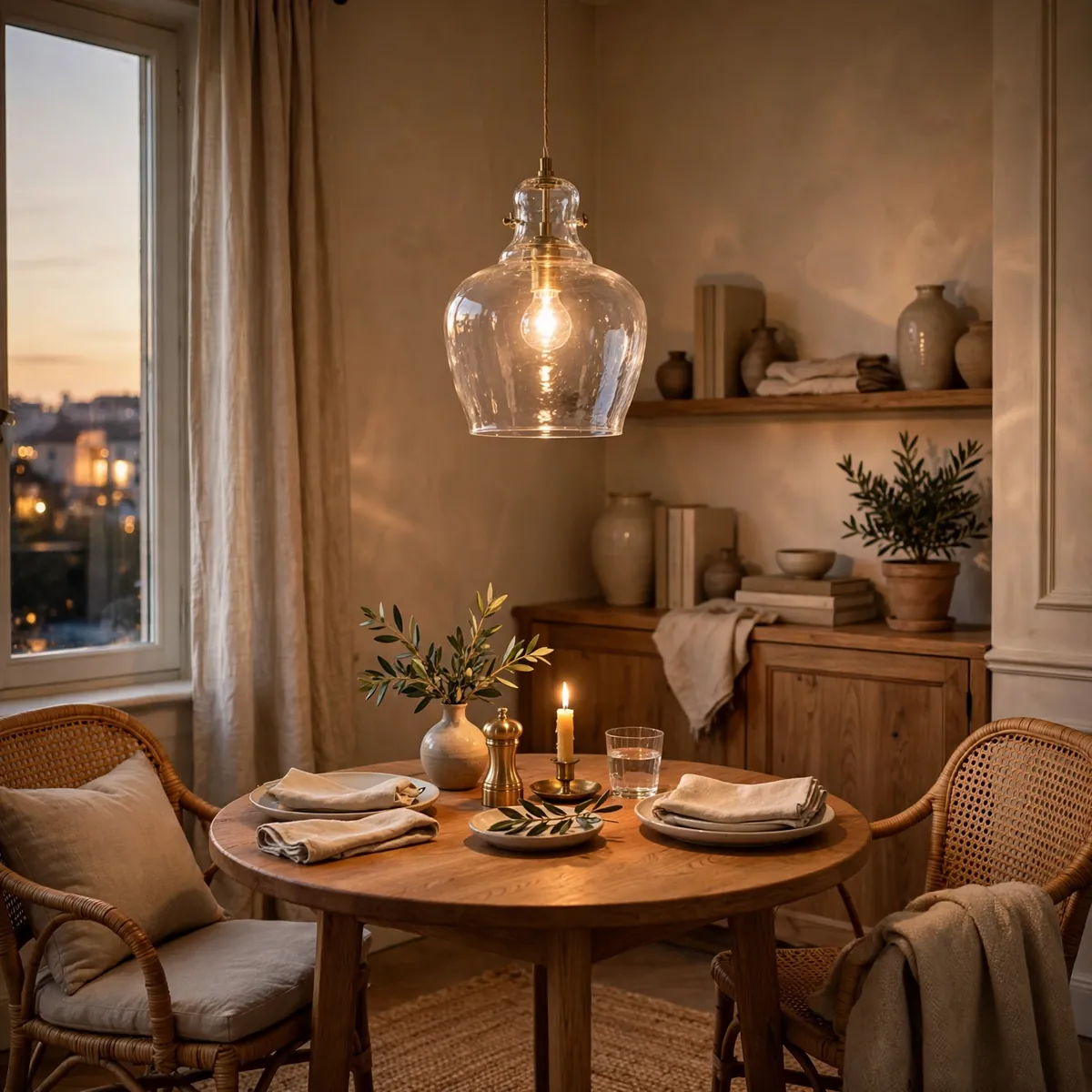
A small table still needs an anchor, and two things do that job: light and a rug. One pendant hung low over the table — 30 to 34 inches above the surface — declares the dining zone without eating visual space the way a chandelier does. Underneath, the rug should extend at least 24 inches beyond the table on every side so chairs stay on it when pulled out; anything smaller looks like a postage stamp and trips the eye.
Quick tips
- Clear glass pendants keep sightlines open in tight rooms.
- Choose a low-pile, washable rug — dining rooms are spill zones.
Keep the Centerpiece Low and Simple
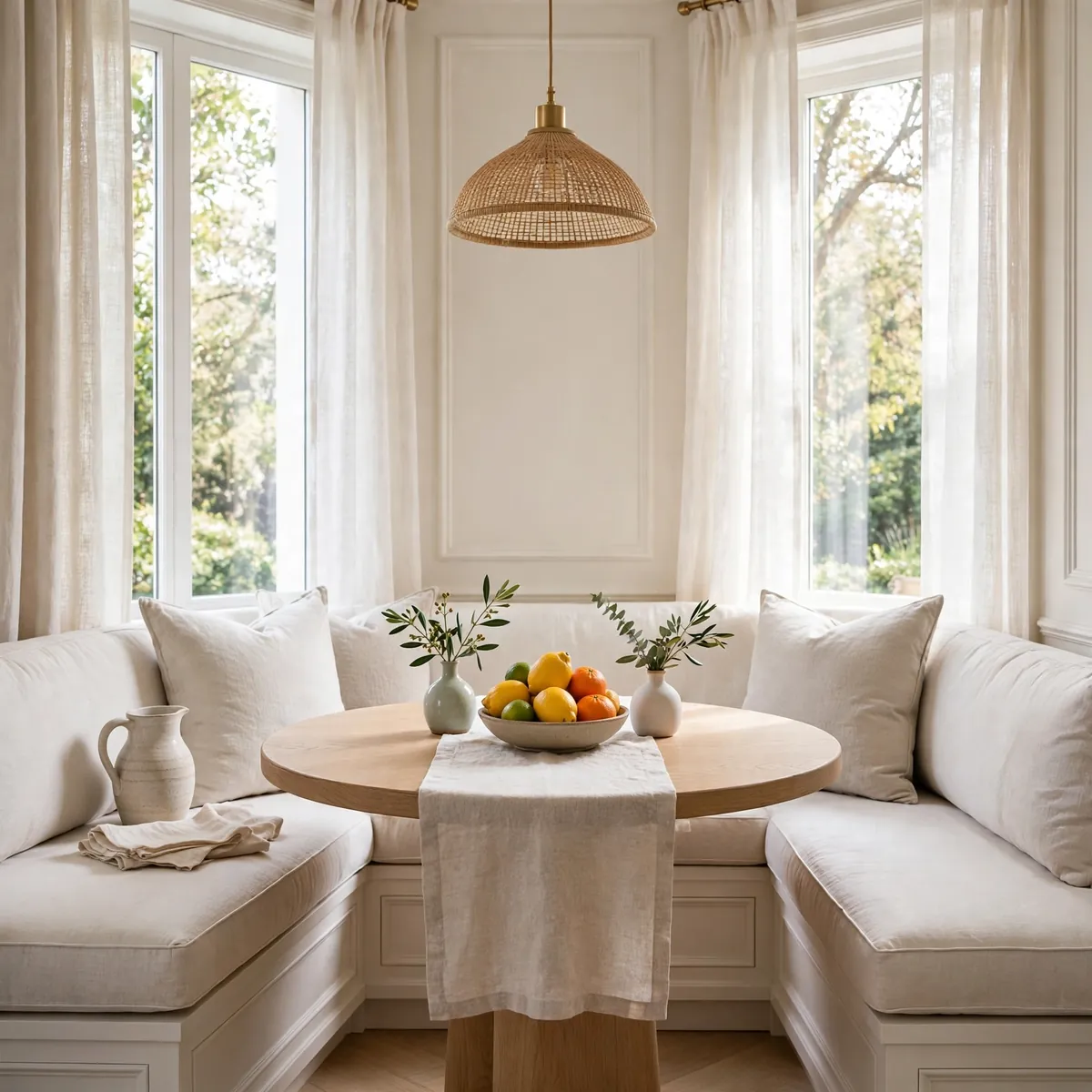
On a small table, a tall centerpiece is a wall between diners. Keep arrangements low — under 12 inches — so conversation flows across the table, and keep them simple: one bowl of fruit, a short cluster of bud vases, a single sculptural object. A runner adds color without footprint, and everything on the table should be easy to lift off when it’s time to eat.
- One statement piece beats five small objects on a small table.
- Fresh greenery or fruit adds life without visual weight.
- Clear the table fully once a week — small surfaces accumulate clutter fast.
Frequently Asked Questions
What size dining table fits a small dining room?
A round table 36 to 42 inches across suits most small dining rooms, seating two to four people while leaving walkways open. For rectangular tables, keep the width to 30 inches or less. Whatever the shape, leave 30 to 36 inches of clearance between the table edge and the wall so chairs can pull out and people can pass behind them.
Are round tables better for small dining rooms?
Usually, yes — especially on a pedestal base. Round tables have no sharp corners to navigate around, they improve traffic flow, and they often seat one more person than you would expect. In long, narrow rooms, though, a slim rectangular table uses the space more efficiently.
How many people can a small dining table seat?
A compact 36-inch round table seats two comfortably and four in a squeeze; a 42-inch round seats four daily and six or more with guests, which is why flexible tables are the most practical choice for small dining rooms.
Should I put a rug under a small dining table?
Yes, if it is big enough. The rug should extend at least 24 inches beyond the table edge on all sides so chairs stay on the rug when pulled out. A too-small rug makes the space feel cramped; choose a low-pile, washable rug since dining areas see spills.
Conclusion
A small dining room doesn’t need a small life. With these small dining table ideas, the table stops being the thing that crowds the room and becomes the thing that organizes it — the right shape for your footprint, seating that tucks away, and a finish that keeps the space feeling open. Start with shape and size, add flexibility for guests, and style it simply. The room will feel bigger because everything in it finally fits.