17 Summer Room Ideas That Feel Light & Inviting (Bright & Airy!)
Summer changes the way we want our homes to feel and these Summer Room Ideas changes your home into a peaceful environment
Heavy fabrics start to look too warm. Dark corners feel less appealing. Suddenly, you want more sunlight, cleaner surfaces, softer colors, and windows that stay open a little longer.
That is where thoughtful summer room ideas can make a real difference.
You do not need to replace your furniture or completely redecorate your home. A few changes to texture, color, lighting, greenery, and layout can make a familiar room feel noticeably fresher.
The key is to decorate for the way you actually want to live during warmer months.
Think lightweight linen instead of thick layers. Natural wood instead of overly polished finishes. Soft blue, creamy white, warm beige, or muted green instead of too many dark accents.
I’ve noticed that the rooms that feel most summery are not necessarily the ones with the most seasonal decorations. They simply have more visual breathing room and materials that feel comfortable in warm weather.
Here are practical ways to create that feeling throughout your home.
1. Start With a Light and Airy Color Base

A lighter color palette is one of the quickest ways to change the mood of a room.
You do not have to paint every wall white. Cream, warm ivory, pale beige, soft greige, muted sage, and washed blue can all create a lighter foundation.
If your room already has neutral walls, work with what you have.
Change darker cushions, throws, or decorative accessories for lighter versions. A cream pillow beside a sandy beige one can make a sofa feel considerably fresher without changing the furniture.
For a stronger summer feeling, add one gentle accent color rather than several competing shades.
Soft blue works beautifully with warm wood. Pale green pairs naturally with cream. Terracotta can bring warmth to an otherwise cool palette.
The goal is not to make the room look empty. It is to make the existing colors feel easier on the eyes.
2. Bring Linen Into the Room

Linen is one of the easiest materials to introduce during summer.
Its slightly relaxed texture gives a room an informal, breathable appearance. It also works across several decorating styles, from coastal and cottage interiors to modern and Scandinavian rooms.
Try linen curtains in the living room or bedroom.
You can also use linen pillow covers, duvet covers, table runners, or loose chair cushions.
Do not worry about making everything perfectly smooth. The natural creases are part of the appeal.
For a bedroom, a white or oatmeal linen duvet cover paired with two textured pillows can create a relaxed look without adding lots of decoration.
This is especially useful if the room already contains substantial furniture. A lighter textile can visually soften heavier pieces.
3. Create a Breezy Window Corner
Windows become natural focal points during summer.

Instead of covering them with heavy curtains and decorative layers, allow the window area to breathe.
A small chair, wooden stool, bench, or comfortable floor cushion can turn an unused corner into a simple reading or morning coffee spot.
Keep the styling restrained.
Add one small side table, a lightweight throw, and perhaps a plant nearby.
If privacy allows, sheer curtains can soften bright sunlight while still allowing daylight into the room.
This type of arrangement works particularly well in bedrooms and living rooms because it creates a small destination inside the larger space.
You are not simply decorating a corner. You are giving yourself a reason to use it.
4. Add Natural Wood for Warmth

Rooms can sometimes become too pale when every summer update revolves around white and light colors.
Natural wood solves that problem.
A wooden stool, woven tray, side table, picture frame, bench, or cutting board can introduce warmth without making the room feel visually heavy.
Look for finishes where you can still see the grain.
Light oak and warm natural wood work particularly well with creamy textiles and muted colors.
In my experience, natural wood is also one of the easiest ways to make a seasonal room feel less temporary. Unlike highly themed decorations, it can remain useful throughout the year.
Use it as an anchor rather than covering every surface with wooden accessories.
5. Make Greenery Part of the Decor
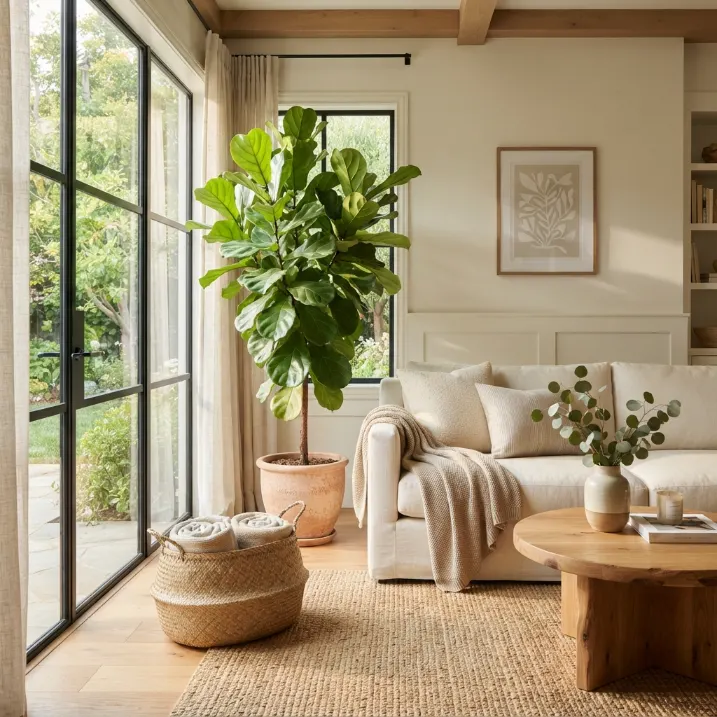
Plants instantly bring life into a summer interior.
You do not need a collection of large tropical plants to create the effect.
One tall plant beside a window can fill an empty vertical area. A small plant on a shelf can soften a hard architectural line. Fresh branches in a simple ceramic vase can work if you prefer a minimal look.
The container matters too.
Try terracotta, stoneware, woven baskets, or simple ceramic planters instead of highly decorative containers.
For rooms with little natural light, realistic artificial greenery can provide a similar visual effect without pretending that every corner is suitable for a living plant.
The best placement usually feels intentional but not overly arranged.
6. Use Woven Textures to Make a Room Feel Relaxed

Woven materials add depth without relying on strong colors.
Rattan, cane, jute, wicker, seagrass, and other natural fibers work especially well during warmer months.
Try a woven basket beside a sofa.
Add a rattan pendant light above a dining table. Place a jute rug beneath a coffee table. Use a woven tray to organize small objects on a dresser.
The trick is repetition.
One woven item can look random. Several small references to the same texture can make the room feel cohesive.
However, avoid putting woven materials on every surface. Too much texture can make a room feel busy instead of relaxed.
7. Give Your Bedroom a Softer Summer Look

The bedroom does not need a complete makeover.
Start with the bed because it occupies so much visual space.
Replace thick bedding with lighter layers in breathable-looking fabrics. Choose white, cream, pale blue, beige, or muted green if you want a calm palette.
Then reduce the number of decorative pillows.
Two or three well-chosen pillows often look more relaxed than a bed covered from end to end.
A lightweight throw at the foot of the bed can add texture without making the room feel wintery.
For the finishing touch, keep the bedside tables relatively clear.
A small lamp, book, ceramic dish, and plant may be enough.
8. Turn the Living Room Into a Relaxed Gathering Space
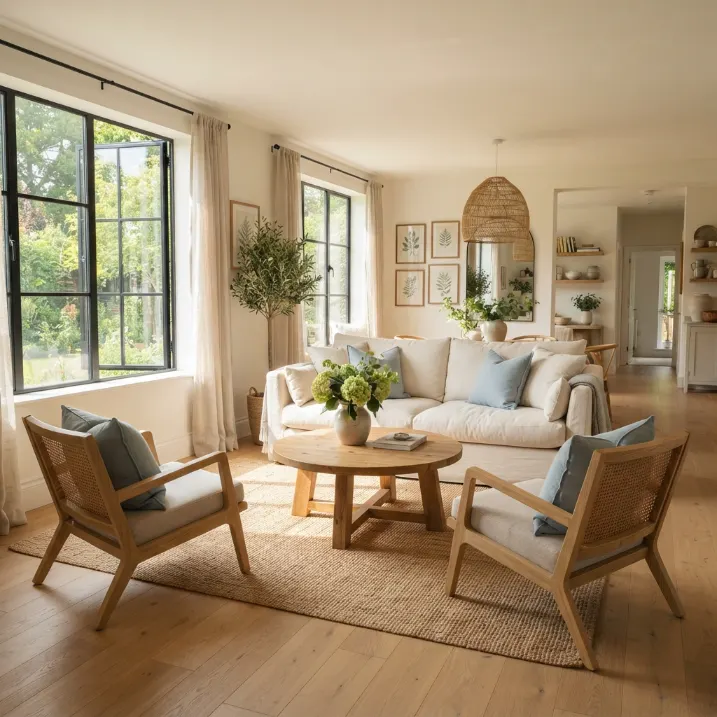
Summer rooms should support how people actually spend their time.
If your living room feels formal, move furniture slightly closer together so conversations feel easier.
Keep pathways open.
Remove decorative objects that occupy valuable table or floor space but are rarely used.
Then introduce softer textiles, natural materials, and a few lighter accessories.
A neutral sofa can take on a completely different personality with cream, blue, sage, or striped cushions.
You can also replace a dark winter throw with a lightweight cotton or linen version.
The room should feel ready for someone to sit down without worrying about disturbing a carefully arranged display.
9. Style a Summer Coffee Table Without Clutter
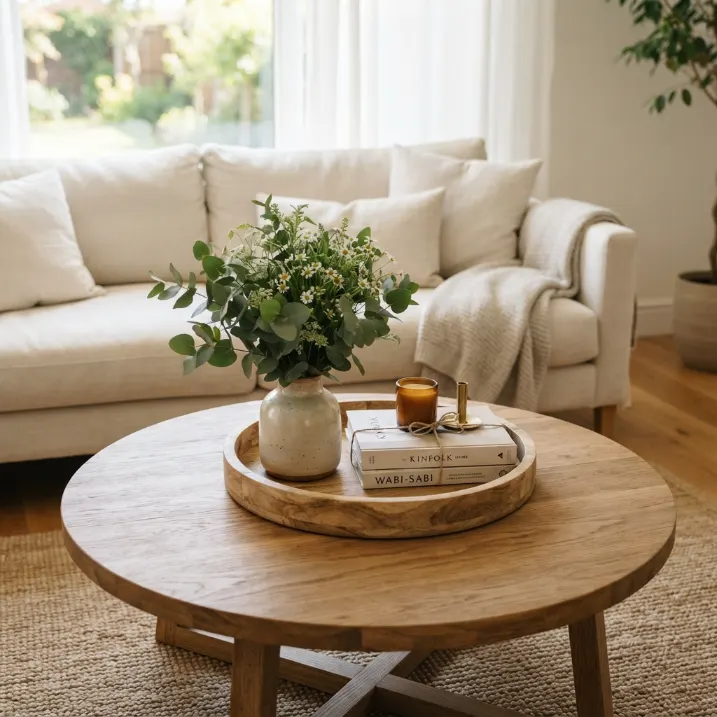
A coffee table is a small area with a surprisingly large visual impact.
Instead of filling it with seasonal decorations, create one simple arrangement.
Start with a tray.
Add a small vase, one stack of books, and a natural object such as a bowl, candle, or piece of pottery.
The tray creates a visual boundary, which prevents several small objects from looking scattered.
Leave some of the tabletop visible.
Negative space is important in warm-weather decorating because it helps the room feel less crowded.
If you want to change the arrangement later, the tray also makes seasonal styling much easier.
10. Use Blue Accents Without Making the Room Look Themed

Blue is a natural choice for summer because it can suggest water, sky, and coolness.
But a room does not need anchors, seashells, or nautical signs to use blue effectively.
Choose muted shades instead.
Dusty blue, faded denim, pale aqua, slate blue, and soft blue-gray can work with neutral furniture without creating an obvious beach theme.
Repeat the color in two or three places.
For example, use blue in a cushion, a small piece of artwork, and a ceramic vase.
This repetition makes the color feel intentional.
11. Let the Dining Area Feel More Casual

Summer dining does not need to look formal.
Swap a heavy tablecloth for a simple linen runner or leave the table mostly bare.
Use ceramic plates, natural wood serving pieces, clear glassware, and a small centerpiece.
Fresh greenery in a simple vase can be enough.
If you have an open-plan dining and living area, repeat one or two materials between both spaces.
For example, a woven dining pendant can echo a rattan basket in the living room.
These small connections make separate areas feel like part of the same home.
12. Refresh the Entryway With One Strong Seasonal Detail

The entryway sets the tone before anyone reaches the main rooms.
It does not need a major makeover.
Start by removing unnecessary items.
Then add one seasonal focal point.
That might be a leafy branch in a tall vase, a woven basket, a lightweight runner, or a small piece of artwork with soft summer colors.
A bench can provide both seating and storage.
If your entryway is narrow, keep the floor as open as possible.
A visually clean entrance immediately makes the rest of the home feel more spacious.
13. Make a Small Room Feel More Open
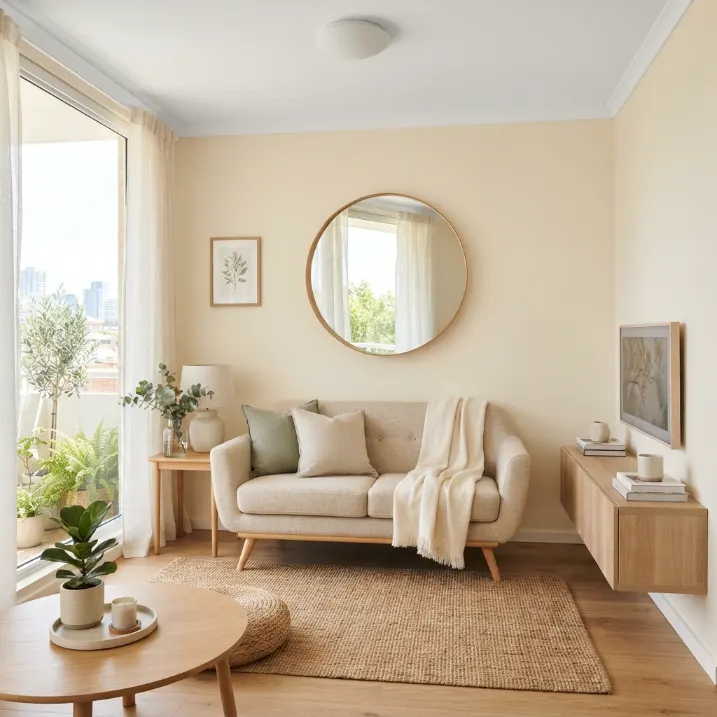
Small rooms can benefit enormously from lighter summer styling.
The first step is reducing visual weight.
Choose furniture with exposed legs where possible. Keep curtains close to the wall rather than creating bulky layers around the window.
Use one larger rug instead of several small mats if the room allows it.
Mirrors can also help reflect natural light.
Then keep decorative objects grouped rather than scattered across every surface.
One of the most useful summer room ideas for a small space is simply leaving more of the room visible.
You do not always need more decor.
Sometimes you need less competing with what is already there.
14. Create a Soft Evening Glow

Summer decorating should not stop when the sun goes down.
Lighting changes the entire mood of a room in the evening.
Instead of depending entirely on one ceiling light, add smaller sources at different heights.
A table lamp beside a sofa, a floor lamp near a reading chair, or a small warm light on a console can create a softer atmosphere.
Choose warm bulbs rather than very cool white light if you want the room to feel cozy.
Candles can also add atmosphere, but keep them away from fabrics, plants, and areas where they could be knocked over.
The goal is gentle illumination rather than maximum brightness.
15. Bring Outdoor Colors Inside

You do not need to create a coastal room to make a home feel summery.
Look outside for color inspiration.
Green leaves, pale stone, blue sky, sandy earth, warm wood, and muted flowers all provide natural references.
Choose two or three of these colors and repeat them indoors.
For example, a cream sofa can be paired with sage cushions, a natural wood table, and a pale blue artwork.
This approach feels more sophisticated than buying a collection of matching seasonal accessories.
16. Use One Playful Accent
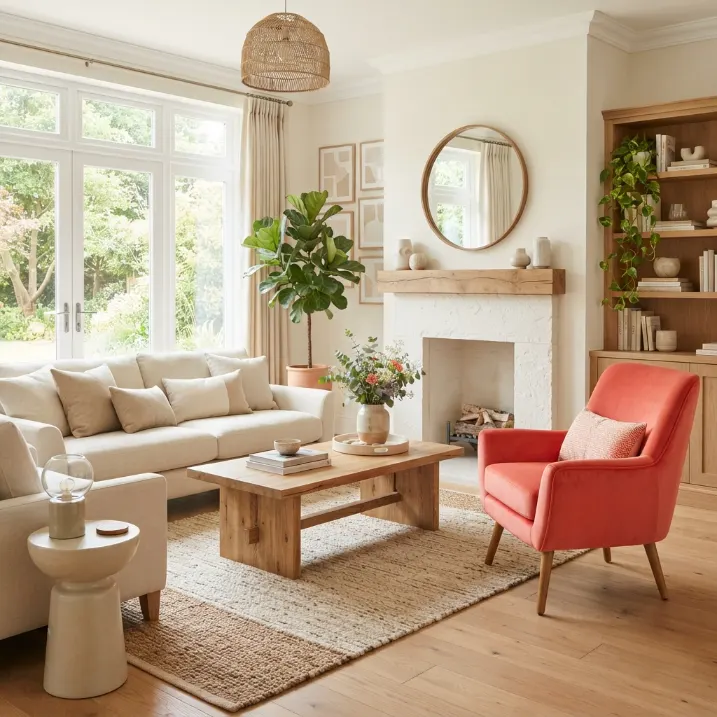
A completely neutral room can sometimes feel flat.
Summer is a good time to introduce something unexpected.
It could be a colorful lamp, patterned cushion, striped chair, bright artwork, unusual vase, or cheerful tableware.
The important part is scale.
Let one playful piece attract attention while the surrounding decor stays quieter.
This creates a focal point without turning the room into a collection of unrelated colors.
I’ve found that a single memorable accent often makes a room feel more personal than a dozen small decorative objects.
17. Edit the Room Before Adding Anything Else

This may be the most useful idea of all.
Before buying new summer accessories, look around the room and remove three things.
It could be an unused cushion, an old decorative object, a basket that has become cluttered, or a piece of furniture that blocks movement.
Then look at the room again.
Does the space feel lighter?
If it does, you have already made progress.
Summer decorating is not always about adding more. Sometimes the biggest improvement comes from allowing the architecture, natural light, furniture, and useful objects to have more visual space.
A room that feels comfortable will usually look better than one that is perfectly decorated but difficult to live in.
Frequently Asked Questions About Summer Room Ideas
How can I make my room look summery without buying new furniture?
Start with textiles, color, lighting, and accessories. Change heavy curtains or bedding, introduce lighter cushions, add greenery, and remove unnecessary clutter. These changes can create a seasonal feeling while keeping your existing furniture.
What colors work best for a summer room?
Cream, warm white, beige, pale blue, muted green, sandy tones, and soft terracotta are versatile choices. You can also use brighter colors as small accents rather than making them the dominant palette.
How do I make a small room feel more summery?
Keep pathways open, reduce visual clutter, use lightweight-looking fabrics, maximize natural light, and choose a limited color palette. Mirrors and furniture with exposed legs can also help maintain a sense of openness.
Can summer decor work with a modern interior?
Absolutely. Modern rooms can use linen, natural wood, greenery, soft neutral colors, woven textures, and simple ceramics without losing their clean appearance.
How much summer decor should I use?
Start with a few meaningful changes instead of decorating every surface. A lighter textile, natural material, greenery, and one seasonal accent can be enough to change the atmosphere.
What is the easiest summer update for a bedroom?
Change the bedding first. Lightweight-looking linen or cotton bedding in a soft neutral or muted color can immediately make the bedroom feel fresher.
Conclusion
The best summer rooms do not necessarily contain the most seasonal decorations.
They feel different because the materials are lighter, the colors are calmer, natural light has room to work, and everyday spaces are easier to use.
Start small.
Change the bedding. Clear the coffee table. Add a plant. Bring in natural wood. Replace one heavy textile with linen. Move a chair closer to the window.
Then stop and see how the room feels.
That is the real purpose of summer room ideas for decorating. You are not trying to make your home look like a seasonal showroom. You are creating rooms that feel comfortable, bright, relaxed, and ready for the way you want to spend the warmer months.