Ultimate Wood Fence Ideas: Choose the Right Wood for Your Yard
A wood fence does much more than mark the edge of a property. It can make a backyard feel private, frame a garden design, soften a modern exterior, or give an outdoor space the warm architectural character that other materials sometimes lack.
But the appearance and lifespan of a fence depend heavily on the wood you choose. Cedar, redwood, pressure-treated pine, and ipe each have a different color, grain, texture, durability, maintenance routine, and aging pattern.
That is why choosing between them should be part of the design process rather than an afterthought.
If you are collecting wood fence ideas for a new backyard fence, privacy screen, side-yard boundary, or modern garden enclosure, start by considering how you want the fence to look today and how you want it to age over time.
How Wood Choice Changes the Entire Fence Design
The same fence style can look completely different when built from different species.
A simple horizontal fence made from warm cedar can create a relaxed, natural appearance. The same layout in dark ipe can feel sleek and architectural, while pressure-treated pine can provide a practical foundation that can later be stained or painted.
Wood affects more than color. It influences:
- Grain visibility
- Surface texture
- Natural color
- Weathering
- Maintenance requirements
- Resistance to moisture and insects
- Installation difficulty
- Expected service life
- Overall design character
When comparing wood fence ideas, think about the fence as part of the landscape rather than an isolated structure.
A fence beside stone paving, ornamental grasses, concrete, or lush planting should complement those materials instead of competing with them.
1. Cedar for Warm, Natural Wood Fence Ideas

Cedar is one of the most versatile choices for homeowners who want a fence with natural warmth.
Fresh cedar usually has a light honey, golden, or reddish-brown appearance. Its relatively fine grain works especially well with vertical slats, horizontal privacy panels, simple picket fences, and contemporary screening.
The color also works beautifully with green landscaping.
Why Cedar Works Outdoors
Cedar naturally contains compounds that help it resist decay and insects. It is also relatively lightweight and stable compared with many other softwoods, making it easier to cut and install.
That makes cedar particularly useful when the design includes precise spacing or clean modern lines.
Another advantage is the way cedar ages.
If left unfinished, it gradually changes from its original warm color toward a softer silver-gray tone. Some homeowners prefer this weathered appearance because it gives the landscape a relaxed, established character.
If you want to retain the original color, however, regular cleaning and an appropriate exterior finish can help slow the color change.
Where Cedar Fits Best
Cedar is a strong choice for:
- Modern backyard privacy fences
- Cottage-style gardens
- Natural landscaping
- Contemporary horizontal fences
- Slatted privacy screens
- Coastal-inspired outdoor spaces
Among wood fence ideas, cedar is particularly attractive when you want the fence to feel natural without looking overly rustic.
2. Redwood for Richer Color and Architectural Character

Redwood has a naturally richer appearance than many common softwoods. Depending on the grade and part of the tree, it can range from warm pinkish-brown to deeper reddish tones.
This makes it particularly effective when the fence is intended to become an architectural feature.
A redwood fence can look impressive beside concrete, charcoal stone, black metal, or carefully structured landscaping.
The Design Strength of Redwood
One of redwood’s biggest visual advantages is its natural color.
Instead of relying heavily on stain to create character, you can allow the wood itself to provide much of the visual interest.
Redwood also has natural resistance to decay and insects, although performance varies with grade, construction, climate, and maintenance.
Like cedar, redwood will gradually weather when exposed to sun and moisture. A protective finish can help preserve its original appearance.
Redwood Fence Styles to Consider
For modern wood fence ideas, consider redwood in:
- Wide horizontal boards
- Vertical privacy panels
- Minimalist slat fences
- Garden boundaries
- Modern courtyard fences
- Fence-and-gate combinations
Pairing redwood with warm outdoor lighting can make the fence especially attractive in the evening.
3. Pressure-Treated Pine for Practical Fence Projects

If budget is an important consideration, pressure-treated pine is often one of the practical options to investigate.
It is widely available and can be used for large fence projects where material cost needs to remain controlled.
Fresh pressure-treated pine often has a pale greenish, yellow, or brown tone depending on the treatment and age of the boards.
That color may not suit every design immediately, but pine gives you plenty of flexibility.
Make Pine Look More Custom
One of the biggest advantages of pine is its ability to accept stains and exterior finishes.
A carefully selected stain can shift the appearance toward:
- Warm walnut
- Medium brown
- Charcoal
- Natural cedar tones
- Soft gray
- Dark espresso
This means simple pine fencing can be adapted to match an existing house exterior or landscape palette.
Construction quality matters greatly with pine. Proper drainage, spacing, fastening, and protection from prolonged moisture can all affect how the fence performs.
Where Pine Makes Sense
Pine is worth considering for:
- Long privacy fences
- Side-yard boundaries
- Large suburban yards
- Budget-conscious projects
- DIY-friendly fence designs
- Painted or stained fences
For homeowners comparing wood fence ideas at different price points, pine can provide a useful starting point.
4. Ipe for a High-End Modern Fence

Ipe has a completely different personality.
This exceptionally dense tropical hardwood is known for its rich brown color, smooth appearance, and substantial durability. When used in fencing, it can make an ordinary boundary feel more like an architectural element.
Ipe works especially well with contemporary houses and sophisticated outdoor spaces.
Why Ipe Looks So Refined
The grain is generally fine and visually controlled, while the natural color can range from medium brown to deep chocolate tones.
Wide horizontal boards can create a dramatic modern wall.
Narrow vertical slats can produce a more lightweight appearance while maintaining privacy.
Ipe also pairs beautifully with:
- Concrete
- Natural stone
- Black metal
- Gravel
- Architectural grasses
- Modern planters
- Minimalist outdoor furniture
For luxury-focused wood fence ideas, this combination can create a highly polished backyard appearance without adding excessive decoration.
What to Know Before Choosing Ipe
The density that makes ipe durable also makes it more demanding to work with.
It is heavy, difficult to cut compared with common softwoods, and often requires careful fastening and pre-drilling.
It is also typically more expensive than standard pine and many cedar options.
If sustainability is important to your project, investigate the wood’s source and look for responsibly harvested or certified material where available.
5. Think About How the Fence Will Age

One of the most important parts of choosing wood is deciding whether you like natural weathering.
A newly installed fence will not necessarily look the same several years later.
Cedar can gradually develop a silver-gray appearance. Redwood can lose some of its original reddish warmth. Ipe can also transition toward a silvery patina when left unfinished.
That does not automatically mean the wood is failing.
Weathering is a natural change in the surface color caused by outdoor exposure.
The important question is whether you like that aged appearance.
If you do, maintenance can focus more on keeping the structure clean and sound rather than trying to preserve the original color indefinitely.
If you prefer the original appearance, your maintenance plan should include appropriate cleaning and finishing.
This is an important step that is often overlooked when people save wood fence ideas online and focus only on how the fence looks on installation day.
6. Match the Fence to Your Home’s Architecture
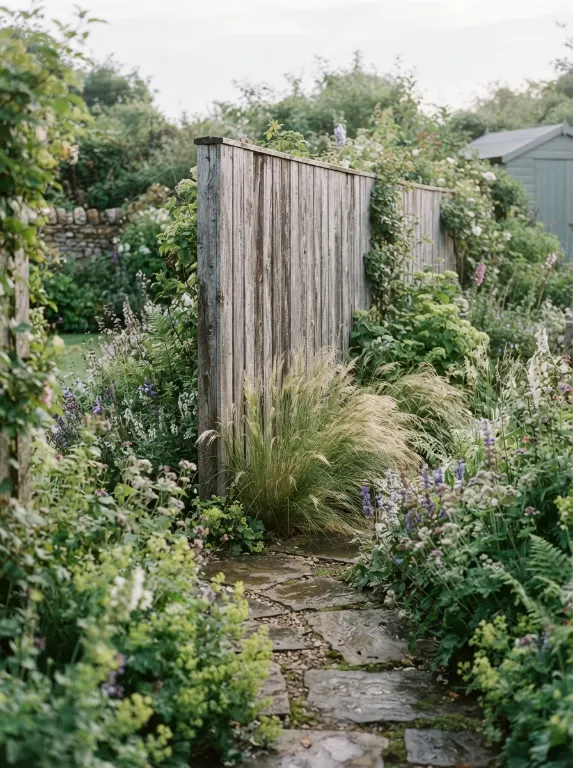
The best fence does not exist separately from the house.
Look at the home’s exterior materials before choosing the wood and fence pattern.
Modern Homes
Modern architecture often works well with:
- Horizontal cedar boards
- Dark-stained pine
- Ipe panels
- Narrow vertical slats
- Simple flat-top designs
Keep the surrounding landscaping structured and avoid adding too many competing details.
Traditional Homes
Traditional houses can work beautifully with:
- Cedar pickets
- Redwood privacy panels
- Painted pine
- Decorative gates
- Classic post-and-rail details
The goal is to repeat architectural cues already found on the property.
Natural or Cottage Landscapes
For a softer garden setting, consider:
- Natural cedar
- Weathered redwood
- Simple picket fencing
- Mixed planting
- Gravel paths
- Flowering shrubs
Here, the fence should blend into the landscape instead of becoming the dominant feature.
7. Use Landscaping to Make a Wood Fence Look Better

Even beautiful wood can look unfinished if it sits alone.
Planting is one of the easiest ways to integrate a fence into a backyard.
Try combining a fence with ornamental grasses, climbing plants, shrubs, small trees, or layered perennial beds.
For a modern fence, keep planting relatively simple.
For a cottage or natural garden, allow plants to soften portions of the fence line.
Lighting can also make a significant difference. Low landscape lights aimed toward a wood surface can emphasize grain and create attractive evening shadows.
These details can transform basic wood fence ideas into a complete outdoor design.
8. Choose Horizontal or Vertical Boards Carefully
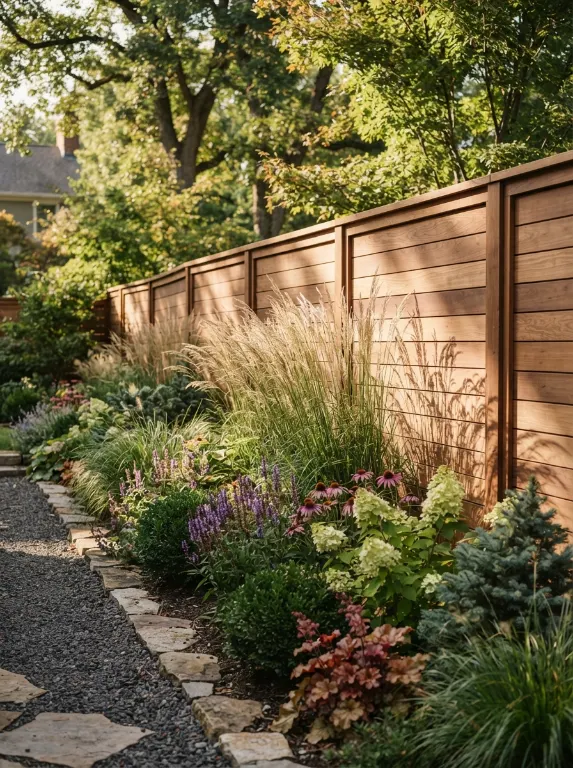
The direction of the boards changes how the fence affects the landscape visually.
Horizontal Fencing
Horizontal boards tend to emphasize width.
They can make a narrow backyard feel visually longer and often suit modern homes.
Cedar and ipe are especially attractive in clean horizontal layouts because their natural grain adds subtle texture.
Vertical Fencing
Vertical boards emphasize height and can make a boundary feel more substantial.
They are useful when privacy is the main objective or when you want the fence to echo vertical architectural elements on the house.
Vertical slats can also create interesting patterns of light and shadow.
When comparing wood fence ideas, do not choose board direction only because a particular photo looks attractive. Consider the proportions of your actual yard and house.
9. Plan for Maintenance Before Installation
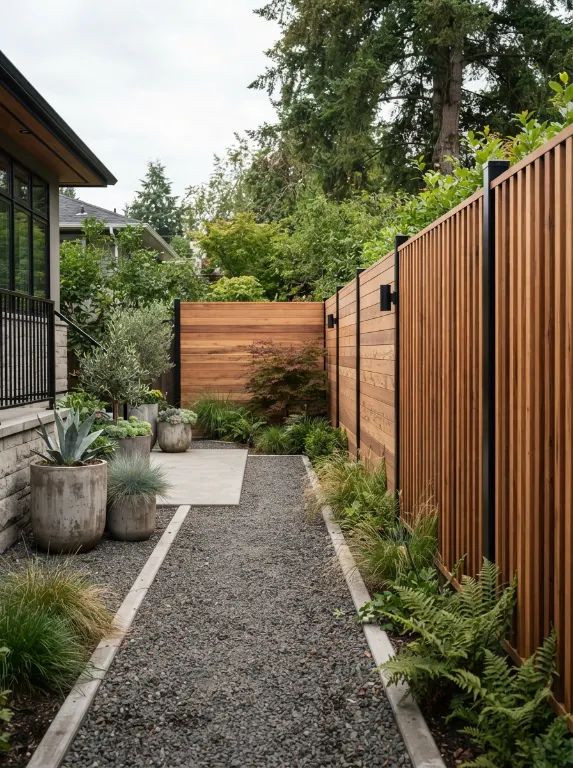
Every wood fence requires some level of care.
The exact routine depends on the species, climate, exposure, construction quality, and desired appearance.
Before choosing a material, ask yourself:
- Am I comfortable with natural gray weathering?
- Do I want to maintain the original wood color?
- How much cleaning am I willing to do?
- Will the fence receive intense afternoon sun?
- Does the site stay wet after rain?
- Is the fence close to sprinklers?
- Do I want a natural finish, stain, or paint?
A fence that matches your maintenance habits will usually be more satisfying over the long term.
10. Create a Fence That Looks Expensive Without Overcomplicating It

You do not necessarily need an elaborate fence to create a polished outdoor space.
Proportion and detailing often matter more than excessive decoration.
Use consistent board spacing, quality hardware, carefully designed posts, clean transitions, and landscaping that supports the material.
A simple fence can look remarkably refined when every line is intentional.
For example, a warm cedar fence with black metal hardware, gravel, architectural grasses, and restrained outdoor lighting can create a sophisticated appearance without complicated construction.
Similarly, a dark-stained pine fence can look dramatically different when paired with contemporary concrete planters and simple greenery.
These are the kinds of wood fence ideas that focus on the entire composition rather than the fence alone.
Which Wood Should You Choose?
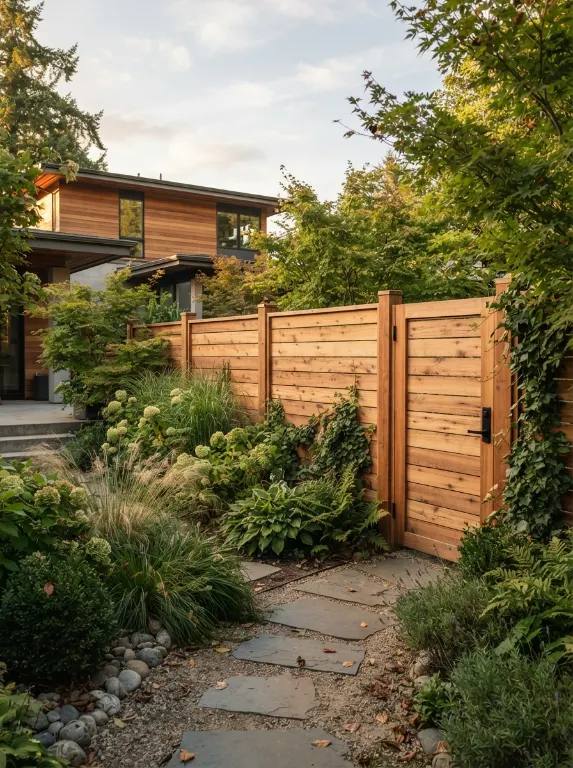
There is no single material that suits every property.
Cedar is attractive when you want natural warmth, relatively easy installation, and a relaxed appearance.
Redwood is appealing when richer natural color and architectural character are priorities.
Pressure-treated pine is useful when budget, availability, and flexibility are important.
Ipe is suited to projects where premium appearance, density, and long-term durability justify a higher investment.
Your climate and local availability should also influence the decision.
The right choice is the one that fits your home’s architecture, landscape, budget, maintenance expectations, and preferred aging process.
Final Word
The most successful fence designs begin with the material itself.
Cedar, redwood, pine, and ipe can all create beautiful results, but each brings a different combination of color, texture, durability, cost, and maintenance.
Before choosing from dozens of wood fence ideas, decide how you want the fence to look when it is new, how you want it to age, and how much maintenance you are realistically prepared to provide.
Once those questions are answered, the fence style becomes much easier to select.
A well-designed wood fence should not feel like an object placed around your yard. It should feel like a natural extension of the architecture, landscaping, and outdoor lifestyle of your home.